
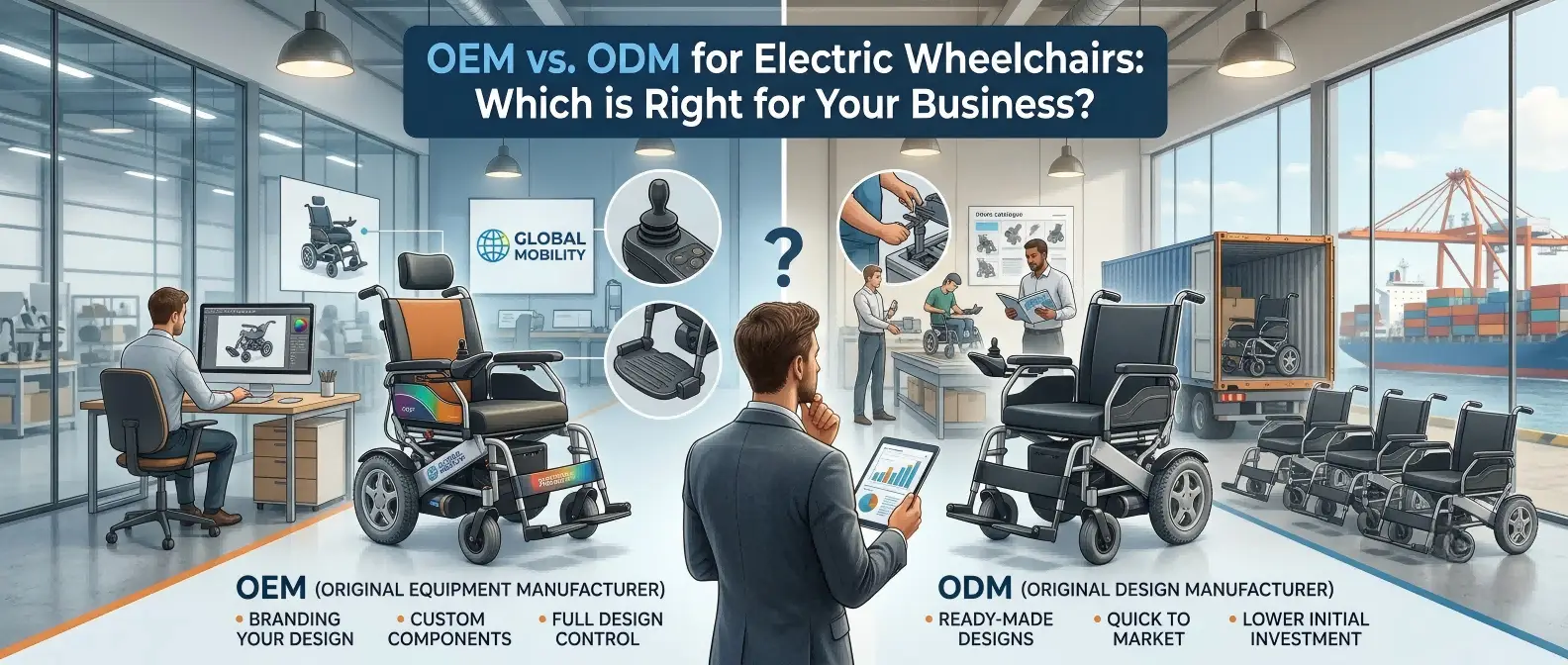
Struggling to choose between OEM and ODM for your electric wheelchair order? The wrong choice can lead to costly mistakes and products that don't fit your market's needs.
Choosing between OEM and ODM for electric wheelchairs depends on your need for customization and brand control. OEM means creating a product based on your unique specifications1, while ODM involves selecting a supplier's pre-designed product2. The key is your supplier's capability, not the model itself.
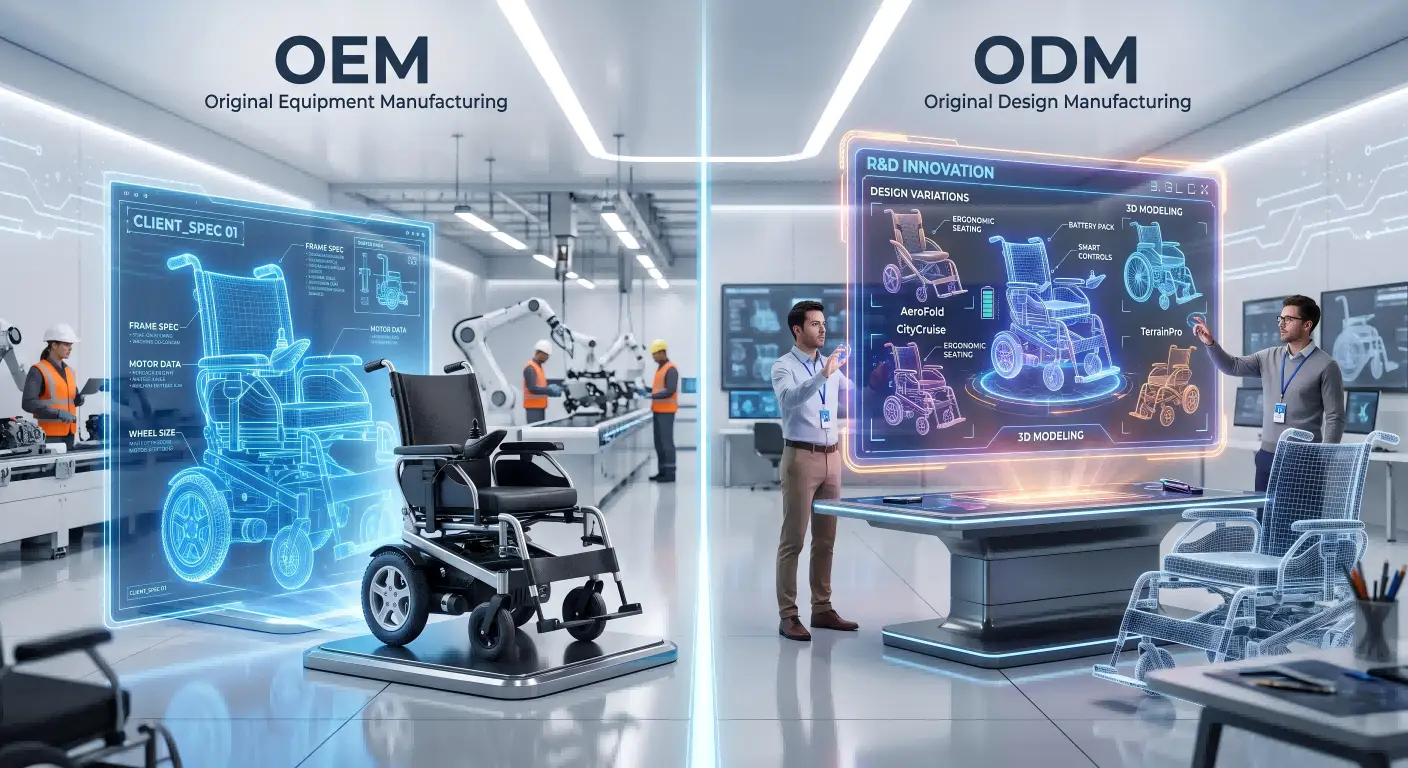
I've seen many purchasing managers get stuck on this decision. They worry about quality, cost, and getting the exact product their market demands. It's a common point of confusion that can stall a project before it even begins. Let's break down the myths and realities I've seen firsthand in my work. This will help you make a confident choice that aligns perfectly with your business goals.
Is OEM Really Lower Quality Than ODM for Electric Wheelchairs?
Do you think OEM products are a risky bet on quality? Many buyers share this fear, worrying about inconsistent standards and receiving a product that fails to perform.
No, OEM is not inherently lower quality. Quality depends entirely on the supplier's manufacturing standards and their quality control (QC) process3. A great supplier can produce top-tier OEM products. My team focuses on verifying these processes to ensure high quality, regardless of the model you choose.
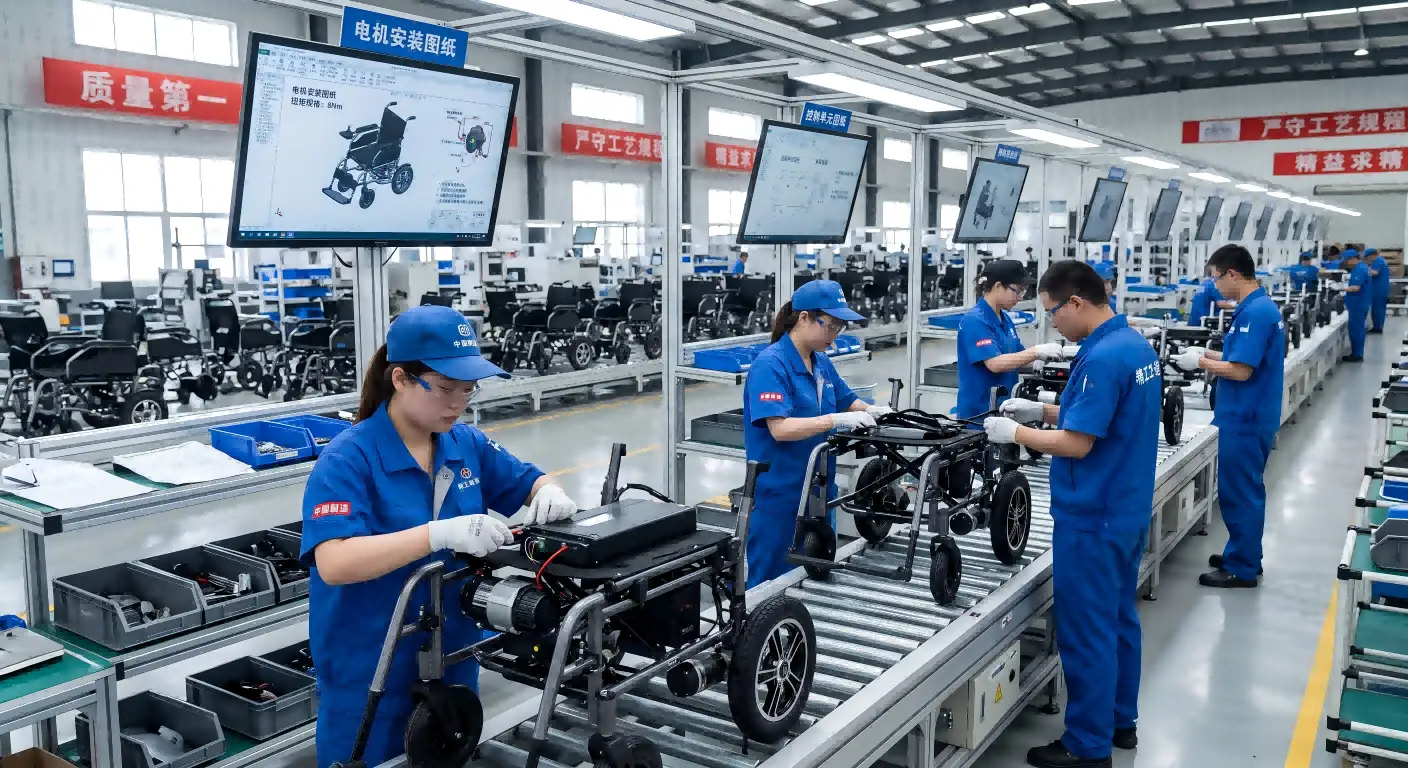
I remember a client from Germany who was convinced that choosing an OEM route for his electric wheelchair order was a recipe for disaster. He believed that ODM products were safer because they were already "proven" by the factory. This is a common myth I encounter all the time. The truth is, the quality label isn't tied to the procurement model. It’s tied to the people and processes behind the product. A supplier can have a fantastic ODM design but cut corners on the production line, just as an OEM product can be built to the highest international standards.
The Myth of "ODM is Safer"
Many buyers believe that because an ODM product is already designed and produced by the factory, it must be more reliable. The logic seems sound: the factory has worked out all the kinks, and you're just buying a finished, tested product. However, this overlooks a critical factor: consistency. The quality of the first sample you see can be very different from the 500th unit in a mass production run4. Without rigorous oversight, material quality can slip, and assembly standards can drop. The "ODM" label offers no protection against this.
Where Quality Really Comes From
True product quality is built from the ground up5. It has nothing to do with whether the design originated with you or the factory. It comes from a commitment to excellence at every single step.
| Factor | What Truly Determines Quality |
|---|---|
| Raw Materials | The supplier's sourcing standards and how strictly they inspect incoming materials like steel, plastics, and electronics. |
| Manufacturing | Strict adherence to Standard Operating Procedures (SOPs) on the assembly line and proper training for all workers. |
| Final Product | A multi-stage Quality Control (QC) process that checks everything from weld strength to battery performance before shipment. |
For my German client, we addressed his concerns by implementing a detailed QC plan for his OEM project. My team was on-site, verifying the raw materials and overseeing key assembly stages. The result? He received a shipment of electric wheelchairs that not only met but exceeded the strict standards of the German market. He's now one of our biggest OEM clients.
Do You Have to Choose ODM for Customization Options?
Need to customize your electric wheelchairs but think the OEM process is too complex and out of reach? This belief stops many businesses from creating a unique product tailored for their customers.
Not at all. While ODM offers easy, surface-level modifications like adding your logo or changing colors, true OEM provides deep customization6. You can specify materials, components, and even unique functional features. The key is clear communication with a supplier who has strong engineering support.
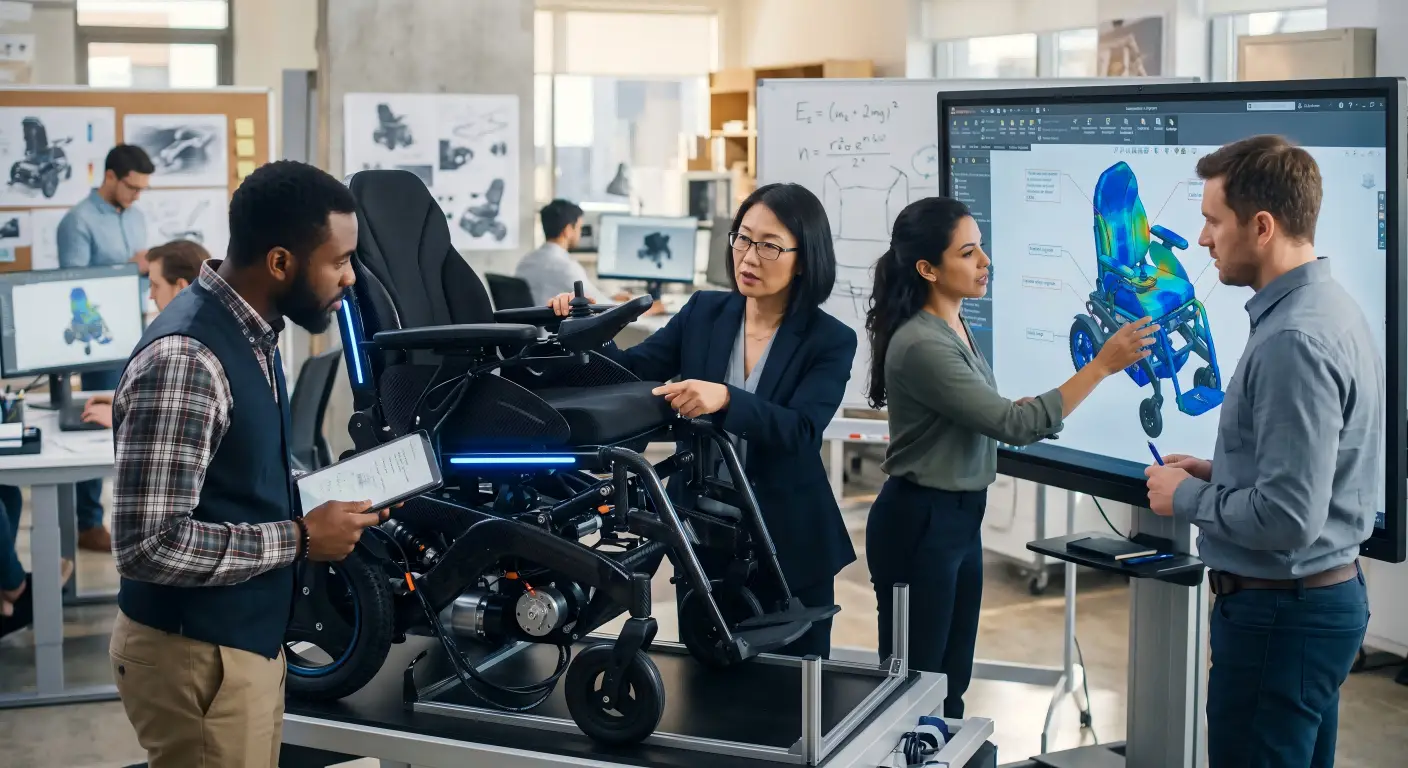
The idea that customization is only for massive companies with huge budgets is simply not true. I worked with a client from Australia who needed an electric wheelchair with very specific features for their local market. They required a tighter turning radius for indoor use and a longer-lasting battery for their customers who enjoy the outdoors. An off-the-shelf ODM product just wouldn't work. They were hesitant at first, assuming an OEM project would be too difficult to manage from overseas. This is where my team helped bridge the gap.
Understanding the Levels of Customization
It's helpful to think of customization on a spectrum. ODM is great for quick, simple branding7, but OEM is where you can truly innovate and differentiate your product.
| Customization Level | ODM (Original Design Manufacturer) | OEM (Original Equipment Manufacturer) |
|---|---|---|
| Basic | Adding your brand logo, custom packaging, and user manuals. | Included as a standard part of the service. |
| Moderate | Changing frame colors or swapping minor accessories like the cushion type or joystick knob. | Changing major components like the motor brand, battery chemistry, or tire type. |
| Advanced | Usually not possible, as it would require re-engineering the base product. | Modifying the frame dimensions, adding unique electronic functions, or integrating third-party accessories. |
Making OEM Customization Work
The biggest challenge with OEM customization isn't possibility; it's communication8. To succeed, you must provide the factory with crystal-clear specifications, technical drawings (if available), and functional requirements. Vague requests lead to incorrect samples and frustrating delays. This is where a professional partner on the ground in China becomes invaluable. For our Australian client, we translated their market needs—"tighter turns" and "longer battery life"—into concrete technical specifications for the factory's engineers. We managed the entire sampling process, provided feedback on prototypes, and ensured the final product matched their vision perfectly. OEM was the only way they could get the perfect product for their market.
How Can You Ensure Success with Either OEM or ODM?
Worried about your order failing, regardless of the model you choose? This fear is completely valid when you're investing a significant amount of capital with an overseas supplier you've never met.
Success depends on two things: choosing the right supplier and implementing strict, hands-on quality control9. A capable partner can deliver on both OEM and ODM promises. My team's professional services are designed to manage these risks for you, ensuring a predictable and high-quality outcome every time.
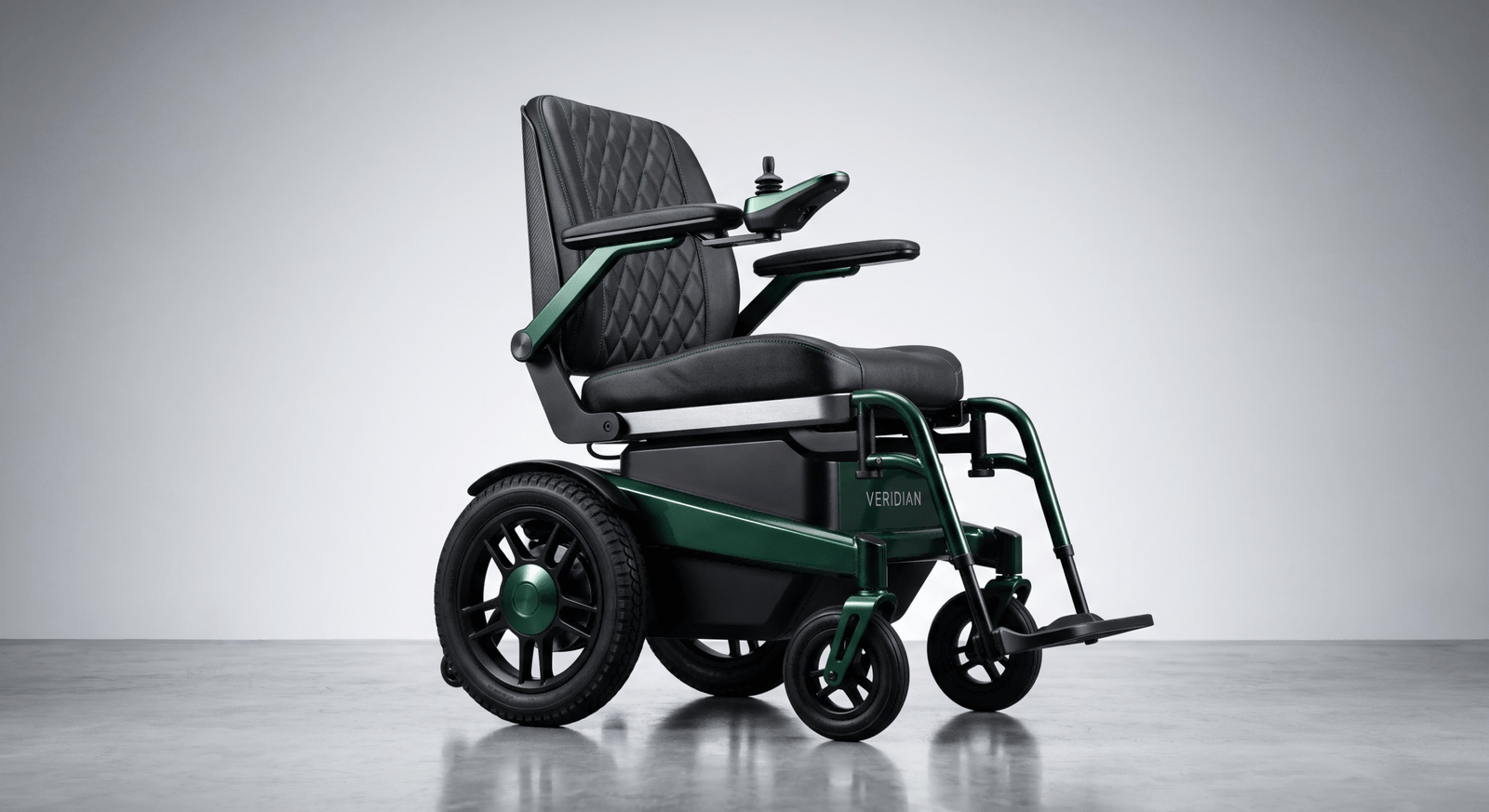
Whether you select an existing ODM design or develop a new OEM product, the potential for problems remains the same if you don't have the right framework in place. Issues like material substitutions, poor assembly, or faulty electronics10 can occur with any model. The key to preventing these problems is not in the choice of OEM versus ODM, but in the active management of your supply chain. This is exactly what my team at MorethingGO specializes in. We act as your local team in China, ensuring your interests are protected from start to finish.
The Role of a Professional Partner
Sourcing isn't just about finding a factory on a B2B platform. It's about finding the right factory for your specific project. A supplier that excels at mass-producing a simple ODM product might not have the engineering depth for a complex OEM build11. We vet suppliers based on their proven track record, their R&D capabilities, and their quality management certifications (like ISO 900112). We match you with a partner whose strengths align with your goals.
Our Proven Process for Your Peace of Mind
We have built our services around the core pain points of international buyers. We provide the control and visibility you need to feel confident in your procurement process.
| Our Service | How It Protects Your Investment |
|---|---|
| Professional Buyer Service | We don't just find any supplier; we find the right one. We analyze your requirements and match you with a factory that has the proven capability for your OEM or ODM project. |
| Professional Photography Service | "Seeing is believing." We provide high-resolution photos and videos of your samples and mass production, so you can approve everything visually before it ships. |
| Professional Contact Service | We eliminate communication breakdowns. My team handles all interactions with the factory, ensuring your technical specs and quality standards are understood and implemented correctly. |
| Professional QC Service | This is your ultimate safety net. Our inspectors are on-site to check everything from raw materials to final packaging, catching potential issues before they become costly problems. |
Just last month, a client from the Middle East used our full-service package for a large ODM order. During a pre-assembly inspection, our QC team discovered that the factory had received a batch of incorrect batteries from their supplier. We caught the error before a single unit was assembled, saving our client from a massive recall and thousands of dollars in losses. This is the peace of mind that a professional partner provides.
Conclusion
Choosing between OEM and ODM is about aligning the procurement model with your business goals. With the right partner and process, you can achieve excellent quality with either path.
"Original equipment manufacturer - Wikipedia", https://en.wikipedia.org/wiki/Original_equipment_manufacturer. OEM, or Original Equipment Manufacturer, refers to a company that produces parts or products according to the specifications provided by another company, which then markets the final product under its own brand. Evidence role: definition; source type: encyclopedia. Supports: Defines OEM as a manufacturing process where products are made based on buyer specifications.. ↩
"Original design manufacturer - Wikipedia", https://en.wikipedia.org/wiki/Original_design_manufacturer. ODM, or Original Design Manufacturer, refers to a company that designs and manufactures products that other companies can rebrand and sell. Evidence role: definition; source type: encyclopedia. Supports: Defines ODM as a manufacturing process where pre-designed products are offered for branding and sale.. ↩
"The Importance of Quality Control in Manufacturing", https://www.ptc.com/en/blogs/plm/quality-control-in-manufacturing?srsltid=AfmBOoqLQwu9ffP6H3croe4CI2-aLKPPqKzvsGynVLdJLlpX-pPzprwm. Research shows that robust quality control processes and adherence to manufacturing standards are critical factors in ensuring the quality of OEM products. Evidence role: general_support; source type: research. Supports: Explains how quality control and manufacturing standards impact the quality of OEM products.. ↩
"Definition, Examples & ODM vs OEM (2026)", https://qoblex.com/blog/what-does-odm-mean-complete-guide-to-original-design-manufacturing/. Studies on manufacturing processes indicate that quality consistency can vary between initial samples and mass production due to factors like material substitutions and process deviations. Evidence role: general_support; source type: research. Supports: Discusses the potential for quality variation between initial samples and mass production in ODM manufacturing.. ↩
"Manufacturing and Quality | www.waru.edu", https://www.waru.edu/tools/dau-systems-engineering-brainbook/design-considerations/manufacturing-quality. Research highlights that product quality is primarily determined by the quality of raw materials, adherence to manufacturing standards, and rigorous quality control processes. Evidence role: general_support; source type: research. Supports: Explains that product quality is influenced by raw materials, manufacturing processes, and quality control.. ↩
"Original equipment manufacturer", https://en.wikipedia.org/wiki/Original_equipment_manufacturer. Research on OEM manufacturing confirms that it allows for extensive customization, including material selection and unique functional designs. Evidence role: general_support; source type: research. Supports: Explains that OEM enables deep customization of products, including materials and functional features.. ↩
"Original design manufacturer - Wikipedia", https://en.wikipedia.org/wiki/Original_design_manufacturer. Studies on ODM manufacturing indicate that it is well-suited for simple branding changes, such as logo placement and color adjustments. Evidence role: general_support; source type: research. Supports: Describes how ODM allows for simple branding modifications.. ↩
"[PDF] Common Problems & Collaborative Solutions", https://highroad.wisc.edu/wp-content/uploads/sites/2056/2020/05/2000-Common-Problems-Collaborative-Solutions-OEM-Supplier-Relationships-and-the-Wisconsin-Manufacturing-Partnerships-Supplier-Training-Consortium.pdf. Studies on OEM project management emphasize that clear and detailed communication of specifications is critical to avoiding errors and delays. Evidence role: general_support; source type: research. Supports: Discusses the importance of clear communication in successful OEM customization projects.. ↩
"8 Ways to Improve Your Supplier Selection Process", https://www.nist.gov/blogs/manufacturing-innovation-blog/8-ways-improve-your-supplier-selection-process. Research on manufacturing best practices highlights that selecting a capable supplier and implementing rigorous quality control are essential for project success. Evidence role: general_support; source type: research. Supports: Explains that supplier selection and quality control are critical for successful OEM or ODM projects.. ↩
"Manufacturing Best Practices | CPSC.gov", https://www.cpsc.gov/business--manufacturing/business-education/business-guidance/BestPractices. Research on manufacturing challenges identifies material substitutions, assembly errors, and electronic faults as common issues in both OEM and ODM production models. Evidence role: general_support; source type: research. Supports: Discusses common manufacturing issues such as material substitutions and poor assembly.. ↩
"OEM vs ODM vs Contract Manufacturing: Key Differences", https://www.openbom.com/blog/which-supplier-do-you-need-odm-vs-oem-vs-cm. Studies on supplier capabilities indicate that expertise in ODM production does not necessarily translate to the engineering depth required for complex OEM projects. Evidence role: general_support; source type: research. Supports: Discusses the differences in supplier capabilities for ODM and OEM projects.. ↩
"ISO 9001 explained", https://www.iso.org/home/insights-news/resources/iso-9001-explained.html. ISO 9001 is an internationally recognized standard for quality management systems, ensuring that certified organizations meet customer and regulatory requirements. Evidence role: general_support; source type: institution. Supports: Explains that ISO 9001 certification reflects a supplier's adherence to quality management standards.. ↩