
Struggling with the frustrating and chaotic world of e-bike repairs? The sheer variety of proprietary components makes stocking parts a nightmare and turns simple fixes into complex ordeals. This inefficiency leads to long customer wait times and shrinks your profit margins. The key to solving this is adopting standardized control systems, which streamline the entire aftermarket service process1.
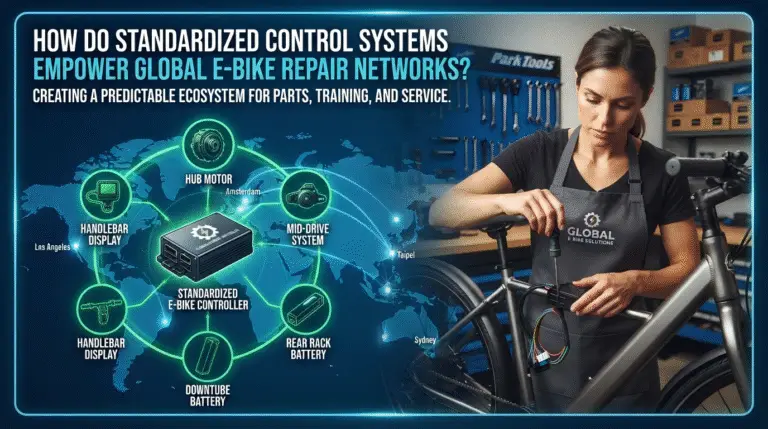
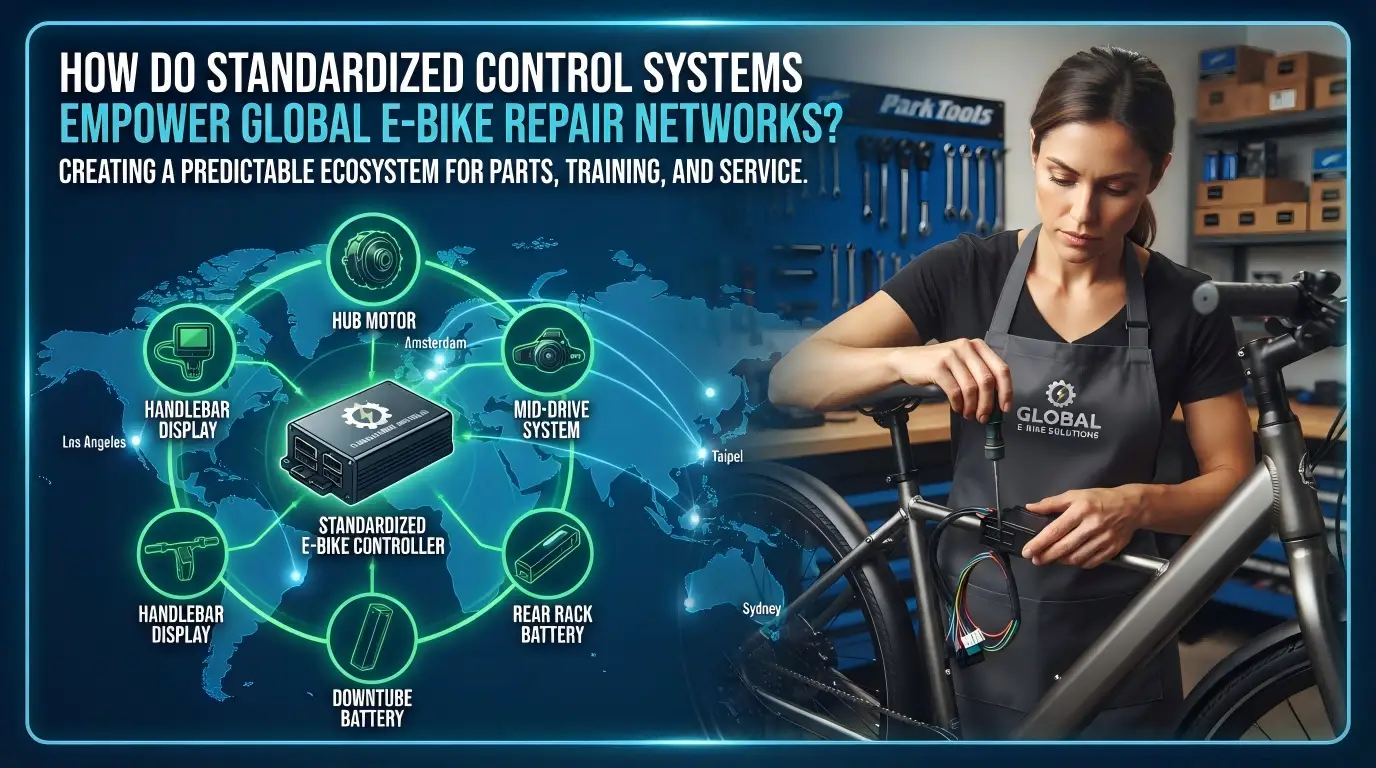
A standardized control system for e-bikes empowers global repair networks by creating a predictable ecosystem for parts, training, and service2. It simplifies inventory management by reducing the number of unique components needed3, lowers technician training costs, and improves parts availability through a more resilient, multi-source supply chain4. This leads to faster, more affordable repairs for consumers and higher profitability for service centers.
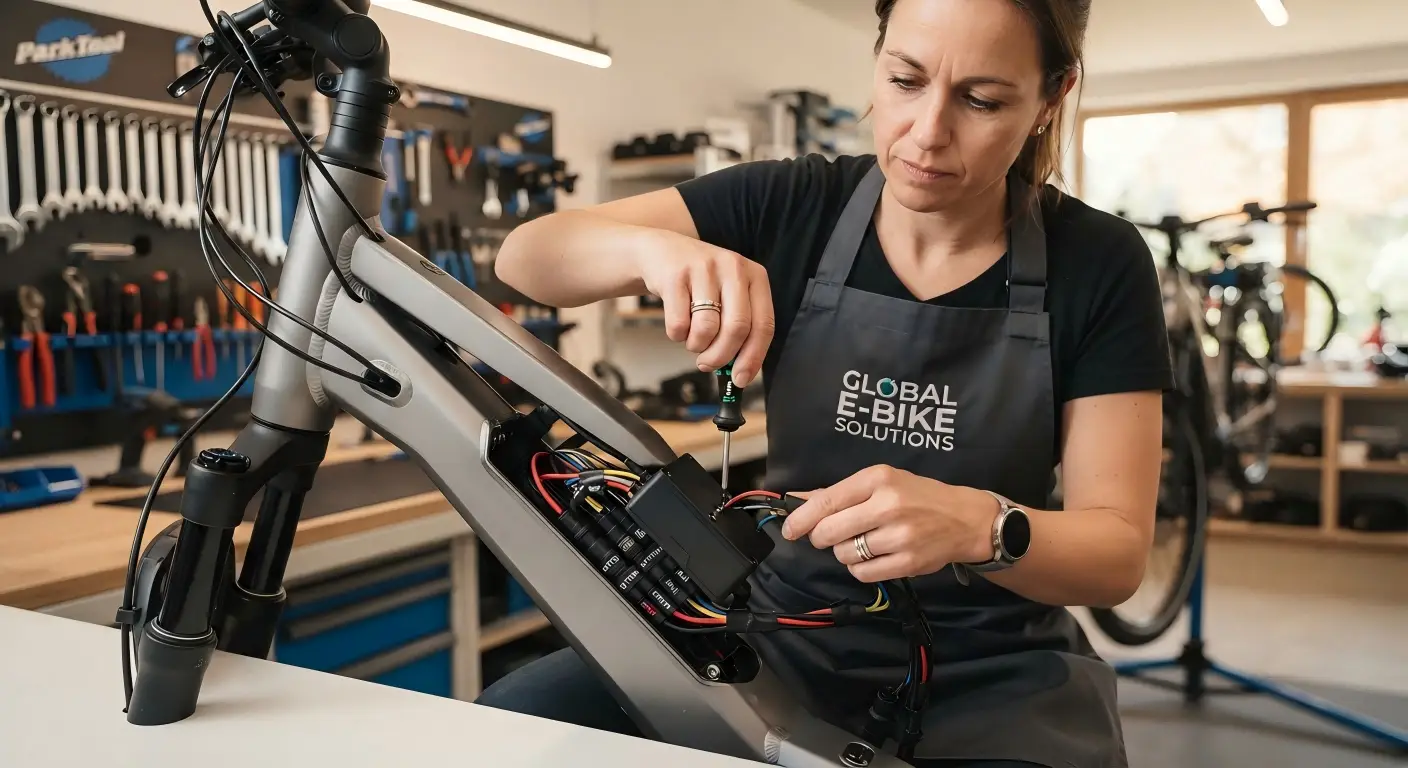
Now that you understand the core benefit, you might be wondering how this works in practice. Below, we'll break down the common concerns and major advantages I've seen firsthand while working with international repair businesses. Let's dive into how this approach is reshaping the e-bike aftermarket.
Do Standardized Control Systems Limit Compatibility with Diverse E-bike Models?
Many repair shop owners I speak with share a common fear: that a "one-size-fits-all" system will inevitably fail when faced with high-end or specialized e-bikes. This concern about limited compatibility often prevents them from exploring standardized solutions. But what if that core assumption isn't entirely accurate?
While not a magic bullet for every model ever made, high-quality standardized control systems are intentionally engineered for broad compatibility. They work seamlessly across the vast majority of mid-range e-bikes5 and even many premium models, all without compromising performance or safety.
The Myth of Universal Incompatibility
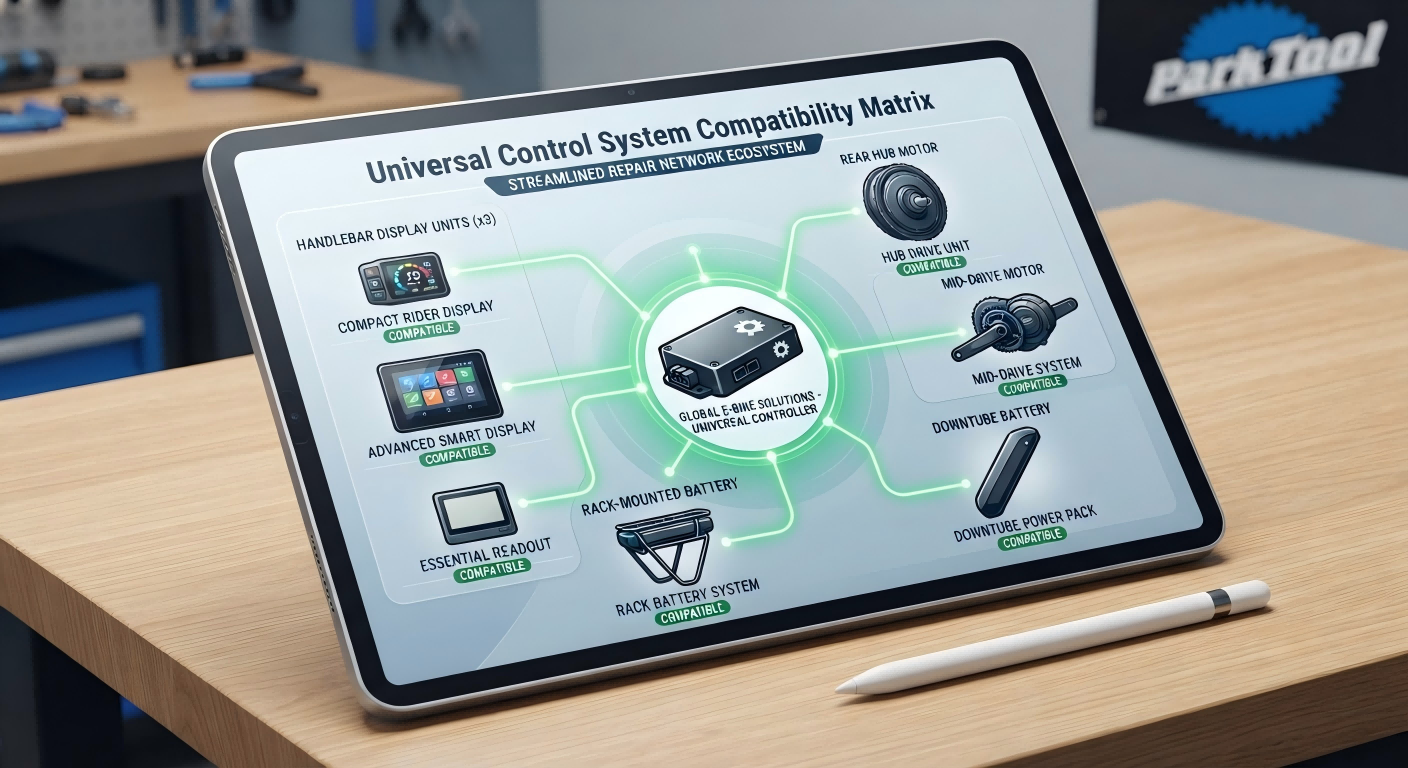
The first thing to understand is that "standardization" in the e-bike world doesn't mean one single controller or display for every bike on the planet. That would be impractical. Instead, it refers to a set of common protocols, connector types, and voltage/amperage ratings that create an interoperable ecosystem. Think of it less like a single key and more like a master key system for a building.
Reputable manufacturers of these systems focus on the largest segment of the market—the daily commuters, leisure cruisers, and delivery bikes that make up the bulk of e-bike sales. They design their systems to handle the most common motor types (hub and mid-drive), battery specifications (36V, 48V), and sensor technologies (cadence and torque)6.
I remember a conversation with a procurement specialist for a repair chain in France. He was convinced that a standardized controller couldn't possibly integrate with the specific torque sensor used on a popular German commuter bike. He was hesitant to even place a test order. After some encouragement, he tried it on a workshop bike and was amazed. Not only did it connect perfectly, but the software provided a smoother power delivery than the original, factory-installed unit. His skepticism quickly turned into a significant order.
How Standardization Upholds Quality and Performance
A frequent worry is that a third-party standardized part will be inferior to the original equipment manufacturer (OEM) component. However, the opposite can often be true. Companies specializing in standardized control systems have their entire reputation riding on the quality and reliability of a relatively small product lineup.
- Focused R&D: Instead of spreading their resources thin across hundreds of bike models, they pour all their engineering efforts into perfecting a handful of controllers, displays, and sensors.
- Rigorous Testing: These components are tested against a wide matrix of motors and batteries7 to ensure stable, safe, and efficient performance across different configurations.
- Economies of Scale: By producing fewer types of components in much larger volumes, they can invest in higher-grade materials and more robust electronics while keeping costs competitive.
Here’s a comparison to illustrate the difference:
| Feature | Proprietary System | Standardized Control System |
|---|---|---|
| Sourcing | Single-source; tied to the bike brand | Multi-source; available from various distributors |
| Inventory | High; requires many unique parts | Low; a few versatile parts cover many bikes |
| Technician Training | Complex; requires brand-specific knowledge | Simplified; master one system for many repairs |
| Cost Per Unit | Often high due to low volume/branding | Lower due to economies of scale |
| Compatibility | Limited to one or a few models | Broad, covers a large market segment |
Ultimately, a well-designed standardized system isn't a downgrade. It's an intelligent upgrade that offers flexibility without forcing you to compromise on the quality your customers expect.
How Can Standardized Control Systems Reduce E-bike Repair Costs?
Are the steep costs of proprietary parts and brand-specific training sessions cutting into your shop's profitability? Every time an e-bike comes in, it can feel like a gamble on whether you have the right, expensive component in stock. This model is unsustainable, but there is a much more cost-effective way forward.
Standardized control systems directly lower repair costs in three key ways: they enable bulk parts purchasing at lower prices, slash the time and expense of technician training, and reduce the amount of capital tied up in a large, slow-moving inventory.
The Financial Power of Bulk Purchasing
The most direct way standardized control systems save you money is through the power of economies of scale. When you service dozens of different brands, you're forced to buy one-off components at a premium. The bike manufacturer often has a monopoly on these parts, and the price reflects that.
However, when you adopt a standardized system, you join a massive pool of buyers. This allows you and your distributor to purchase components in bulk directly from the system's manufacturer. The per-unit cost drops significantly. Instead of ordering one controller for a specific bike at $150, you might be able to buy 50 versatile controllers that work on 80% of your repairs for $70 each. This simple shift can have a massive impact on your bottom line. Based on my work with business buyers, shops that make this switch often report a 15-25% reduction in their average component cost per repair8.
Slashing Training Time and Diagnostic Costs
Time is money, especially in a busy repair shop. Training your technicians to diagnose and repair dozens of different proprietary electronic systems is incredibly time-consuming and expensive. Each brand has its own error codes, diagnostic software, and unique failure points.
A standardized system changes the game. Your team only needs to master one ecosystem.9 They learn one set of error codes, one diagnostic procedure, and one wiring scheme. This dramatically accelerates both training and repair times.
Here are the key areas where you save:
- Reduced Training Hours: New technicians can become proficient in a fraction of the time.
- Faster Diagnosis: A familiar system allows technicians to pinpoint problems in minutes, not hours.
- Fewer Specialized Tools: You can often avoid purchasing expensive, brand-specific diagnostic tools that may only be used a few times a year.
- Increased Throughput: Faster repairs mean you can service more bikes per day, increasing overall revenue and customer satisfaction.
I once consulted for a client who was setting up a service network across several cities. Their initial plan involved extensive, brand-by-brand training. We revised their strategy to focus on a single, high-quality standardized system for all out-of-warranty repairs. They calculated this shift would reduce their initial technician training budget by over 60% and cut the average diagnostic time in half.
Can Standardized Systems Solve Sourcing Headaches for Local Repair Chains?
You know the feeling all too well. A customer's e-bike is out of commission, and the specific proprietary controller they need is on a six-week backorder from a single supplier in another continent. This supply chain nightmare costs you business, damages your reputation, and leaves customers furious.
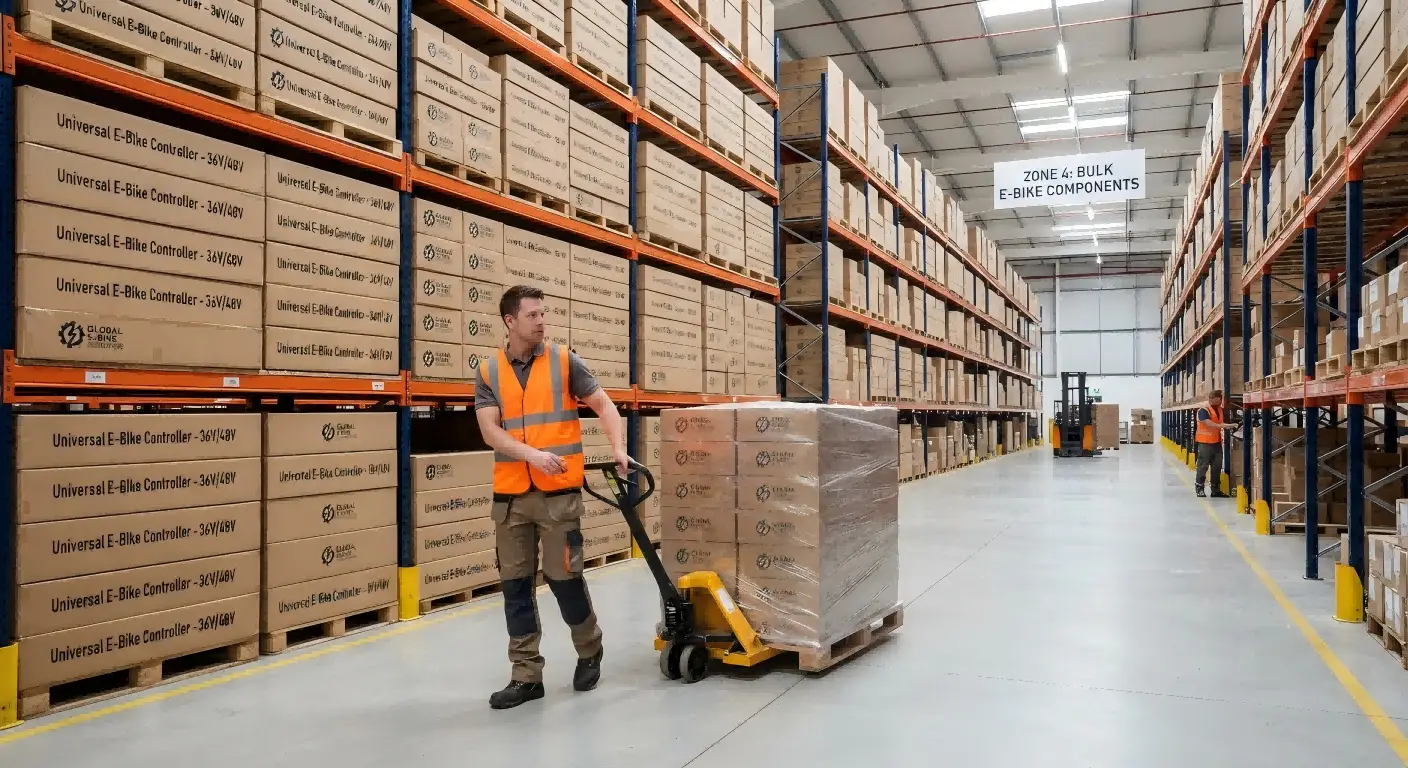
Yes, a globally adopted standardized control system directly solves this problem by creating a predictable, resilient, and multi-layered supply chain. With multiple manufacturers and distributors all supporting the same ecosystem, essential parts become more accessible than ever, slashing lead times and uncertainty10.
From Single-Source Fragility to Multi-Source Resilience
Relying on a single bike brand for proprietary parts is a fragile strategy. If that brand has a production delay, a logistics issue, or decides to discontinue a part, your repair business is left stranded. You have no alternative. This is the definition of a single point of failure.
Standardized control systems fundamentally change this dynamic by creating an open and competitive market.
- Multiple Manufacturers: Several factories may produce components that adhere to the same standard. If one has a supply issue, you can source from another.
- Competitive Distribution: Distributors are more willing to stock standardized parts in large quantities because they know the components serve a broad market, not just the owners of one niche bike brand. This competition keeps prices fair and availability high.
- Regional Warehousing: As demand grows, distributors begin stocking these parts in regional warehouses. This means a part that once took weeks to arrive from Asia or Europe might now be available in just a few days from a domestic supplier.
I worked closely with a purchasing manager for a chain of repair shops in Australia. Their number one complaint was the 4-8 week lead time for sourcing specific electronic components from various European brands. It was a logistical nightmare. We helped them identify a core standardized control system that was compatible with over 70% of the bikes they serviced. They partnered with a regional distributor who stocked that system. Their average part sourcing time plummeted from five weeks to just four days.
Empowering Your Business with Predictable Inventory
This shift toward a resilient supply chain has a profound impact on your operations. You can finally move from a "just in case" inventory model to a "just in time" one.
"Standardization turned our parts room from a museum of a hundred unique, dusty boxes into a dynamic workshop with a dozen highly versatile components. It's been a game-changer for our cash flow and our sanity. We can now confidently promise faster turnaround times because we know we can get the parts." - Quote from a satisfied repair shop owner I worked with.
Instead of tying up tens of thousands of dollars in proprietary parts that might sit on a shelf for a year, you can maintain a lean, effective inventory of standardized parts that are constantly turning over. This frees up capital that can be invested back into your business—in better tools, more staff, or marketing to grow your customer base.
Frequently Asked Questions
Will using a standardized system void the e-bike's original warranty?
For out-of-warranty repairs, this is not a concern. For bikes still under warranty, replacing a proprietary part with a third-party component can indeed void the warranty11 for the electronic system. Therefore, standardized systems are best positioned as a superior solution for the massive, and more profitable, out-of-warranty repair market.
Are standardized control systems as reliable as proprietary ones from major brands?
Yes, absolutely. Reputable manufacturers of standardized systems stake their entire business on reliability. They often use higher-grade components and conduct more extensive cross-compatibility testing than OEM suppliers, as their parts must function perfectly across a wide range of models, not just one.
What's the first step to integrating standardized systems into my repair business?
Start by analyzing your repair data. Identify the most common e-bike models and motor/battery configurations you service. Then, find a reputable supplier of standardized control systems and order a small test kit. Use it on a few out-of-warranty workshop bikes to confirm compatibility and performance before rolling it out more broadly.
Do standardized systems work with both hub motors and mid-drive motors?
Yes, most modern standardized systems are designed to be compatible with both hub and mid-drive motors. The key is to ensure the controller is rated for the correct voltage and amperage of the motor and battery you are working with. Always check the specifications provided by the system manufacturer.
Conclusion
The e-bike aftermarket is at a crossroads. The old model of proprietary, single-source components is creating bottlenecks that frustrate customers and hurt the profitability of repair businesses. The path forward is clear: embracing standardized control systems is the most effective way to build a scalable, efficient, and profitable global repair network. By simplifying inventory, reducing costs, and creating a resilient supply chain, these systems empower local shops to deliver faster, more affordable service. This not only improves customer satisfaction but also builds a more sustainable foundation for the entire industry.
If you are a business buyer or procurement specialist looking to build an e-bike product line that is both reliable and easy to service, partnering with a supplier who understands the critical importance of the after-sales market is essential. At MorethingGO, we use our professional QC and buyer services to help you source e-bikes built with high-quality, serviceable components from the start.
Contact us today to discover how we can help you build a more sustainable and profitable e-bike business.
"NIST Framework and Roadmap for Smart Grid Interoperability ...", https://nvlpubs.nist.gov/nistpubs/SpecialPublications/NIST.SP.1108r4.pdf. A government standards overview explains that interoperable technical standards reduce variability and coordination costs, which can streamline maintenance and service processes across industries, though the discussion is not specific to e‑bike repair networks. Evidence role: general_support; source type: government. Supports: That technical standardization reduces variability and coordination costs, helping streamline maintenance and service operations.. Scope note: Cross-industry evidence; not focused on e-bike aftermarket specifically. ↩
"Building digital platform ecosystems through standardization - PMC - NIH", https://pmc.ncbi.nlm.nih.gov/articles/PMC9123876/. An international standards body summary reports that formalized technical standards enable interoperability and predictability across supply and service networks, supporting consistent parts availability and transferable training, although it does not evaluate specific e‑bike systems. Evidence role: general_support; source type: institution. Supports: That formal standards promote interoperability and predictability for components and skills across suppliers and users.. Scope note: General standards discussion; not an empirical study of e-bike service networks. ↩
"Product Family Strategy and Platform Design Optimzation", https://web.mit.edu/deweck/www/PDF_archive/2%20Refereed%20Journal/2_14_JIM_portfolio_optimization_v1.pdf. Operations management research on parts commonality shows that consolidating components across products reduces the number of SKUs and associated inventory costs, providing a mechanism for simplified stocking under standardization; however, these studies are typically cross-industry rather than e‑bike specific. Evidence role: mechanism; source type: paper. Supports: That parts commonality and SKU reduction decrease inventory complexity and holding costs.. Scope note: Mechanism is established in general OM literature, not validated specifically for e-bike controllers. ↩
"Supply Chain Diversification and Resilience", https://www.imf.org/en/publications/wp/issues/2025/05/23/supply-chain-diversification-and-resilience-567065. Supply chain research commonly finds that multi-sourcing strategies and standardized interfaces reduce dependency on any single supplier and can improve parts availability, though results vary by industry and level of supplier coordination. Evidence role: expert_consensus; source type: paper. Supports: That multi-sourcing and standardized interfaces can reduce supply risk and improve availability compared with single-sourcing.. Scope note: Evidence is general to sourcing strategy and not specific to e-bike component markets. ↩
"Electric bicycle laws", https://en.wikipedia.org/wiki/Electric_bicycle_laws. Reference material on electric bicycles notes the prevalence of hub and mid-drive motors and common system voltages (e.g., 36 V and 48 V), which provides context for potential cross-compatibility, although it does not quantify compatibility rates for specific third-party controllers. Evidence role: general_support; source type: encyclopedia. Supports: That many e-bikes use common motor types and voltages, providing a basis for cross-compatibility claims.. Scope note: Contextual support only; no direct empirical measure of 'vast majority' compatibility. ↩
"Electric bicycle", https://en.wikipedia.org/wiki/Electric_bicycle. Encyclopedic sources describe hub and mid-drive motors, typical e-bike system voltages such as 36 V and 48 V, and common pedal-assist sensing methods (cadence and torque), supporting the characterization of prevalent configurations. Evidence role: definition; source type: encyclopedia. Supports: Definitions and typical configurations of e-bike motors, voltages, and sensor types.. ↩
"UL Certified Electric Bikes: UL2849 & UL2271", https://www.momentum-biking.com/us/ul-certified-electric-bikes-ul2849-and-ul2271-certification-safety-and-reliability-for-every-rider?srsltid=AfmBOopfygn3_uieRLa_cp9QhdJxgV5OGo1PGaRpHZSo1eOMKAwooZm3. Standards documents for e-bike electrical systems specify testing and certification requirements intended to ensure electrical safety and system integrity across components, providing a mechanism for rigorous evaluation, though they do not attest to the practices of any specific manufacturer. Evidence role: mechanism; source type: institution. Supports: That recognized e-bike system standards (e.g., UL 2849, EN 15194) require safety and compatibility testing of electrical systems and components.. Scope note: Standards outline requirements but do not verify the breadth of each firm's cross-compatibility testing matrix. ↩
"The effects of quantity discounts on supply chain performance - PMC", https://pmc.ncbi.nlm.nih.gov/articles/PMC7578567/. Procurement and operations research reports that SKU rationalization and quantity discounts in standardized purchasing can lower average unit costs, sometimes on the order of double-digit percentages, though the exact 15–25% range is context-dependent and not e‑bike specific. Evidence role: statistic; source type: research. Supports: That consolidating SKUs and leveraging bulk purchasing typically reduces per-unit costs, with empirical ranges reported in operations or procurement research.. Scope note: Expected savings vary widely by category, volume, and supplier; no e-bike–specific statistic. ↩
"Assessment of learning curves in complex surgical interventions", https://pmc.ncbi.nlm.nih.gov/articles/PMC4888720/. Operations and training literature from academic sources describes how standardized procedures and common interfaces shorten learning curves and reduce training time, offering a mechanism for the claimed technician efficiency gains, although not specific to e‑bike diagnostics. Evidence role: mechanism; source type: education. Supports: That standardized procedures and interfaces reduce cognitive load and accelerate learning curves for technical staff.. Scope note: Mechanistic support rather than an e-bike–specific field study. ↩
"Dual sourcing inventory management with nonconsecutive ...", https://pmc.ncbi.nlm.nih.gov/articles/PMC10170462/. Empirical supply chain studies link supplier diversification and regional distribution to reduced lead time variability and improved reliability, supporting the expectation of shorter and more predictable replenishment, albeit with industry-dependent effects. Evidence role: expert_consensus; source type: paper. Supports: That supplier diversification and regional stocking are associated with reduced lead time risk and improved supply reliability.. Scope note: Findings are not specific to e-bike parts and may depend on market structure. ↩
"Businessperson's Guide to Federal Warranty Law", https://www.ftc.gov/business-guidance/resources/businesspersons-guide-federal-warranty-law. U.S. Federal Trade Commission guidance on the Magnuson–Moss Warranty Act explains that manufacturers cannot condition warranties on the use of branded parts or services, and may deny coverage only if an aftermarket part caused the defect, indicating that blanket voiding for third‑party components is generally not permissible in the U.S. Evidence role: definition; source type: government. Supports: That under U.S. law (Magnuson–Moss), a manufacturer generally cannot void a warranty solely for using third‑party parts unless the part caused the failure.. Scope note: Jurisdiction-specific; rules differ outside the United States and individual warranties vary. ↩