
Struggling with high delivery costs and city congestion? Traditional vans are expensive and inefficient. There's a smarter way to handle your last-mile logistics and grow your business.
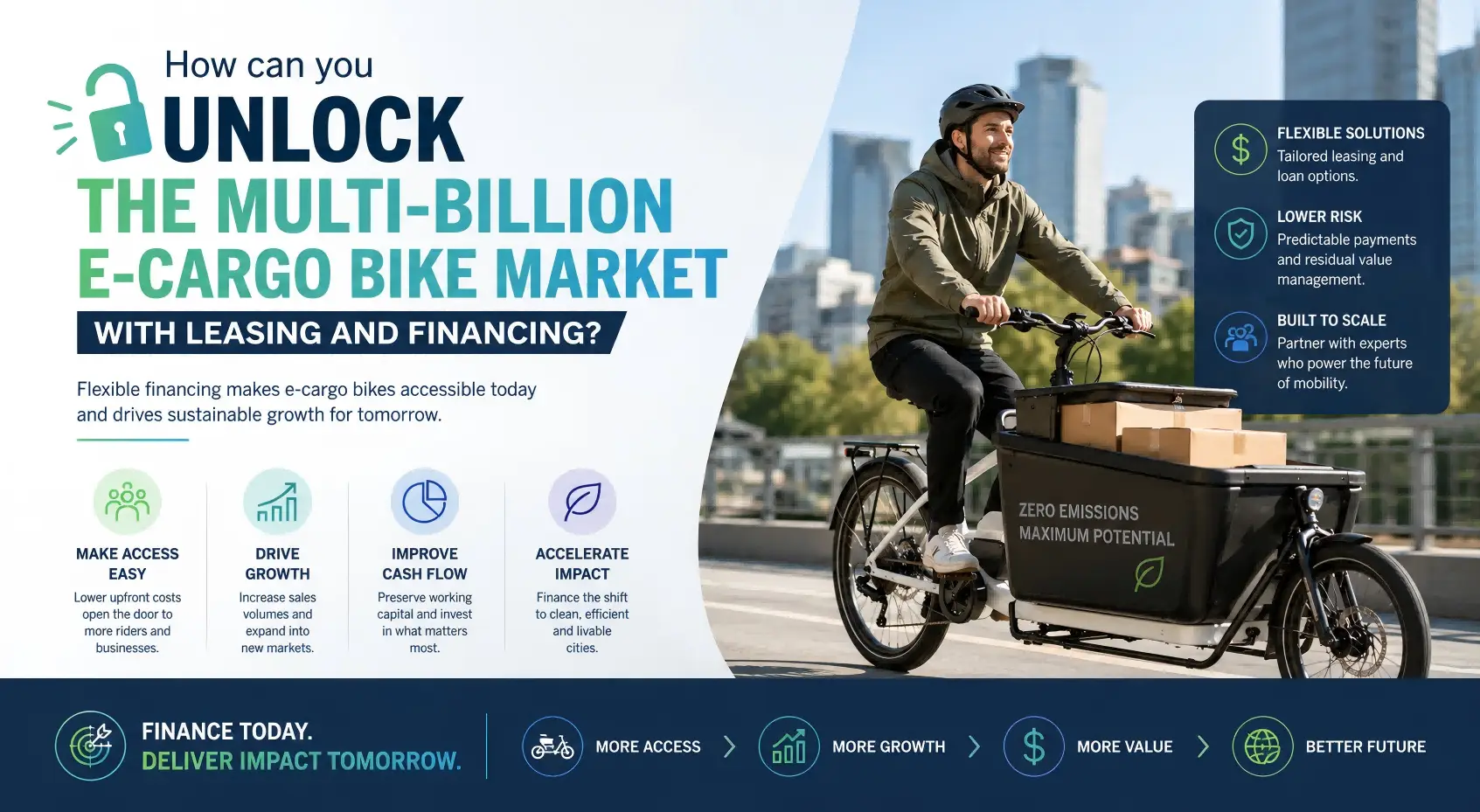
Leasing and financing solutions make commercial e-cargo bikes accessible.1 They lower your upfront costs, reduce financial risk, and allow your business to immediately benefit from improved efficiency and sustainability in your operations.
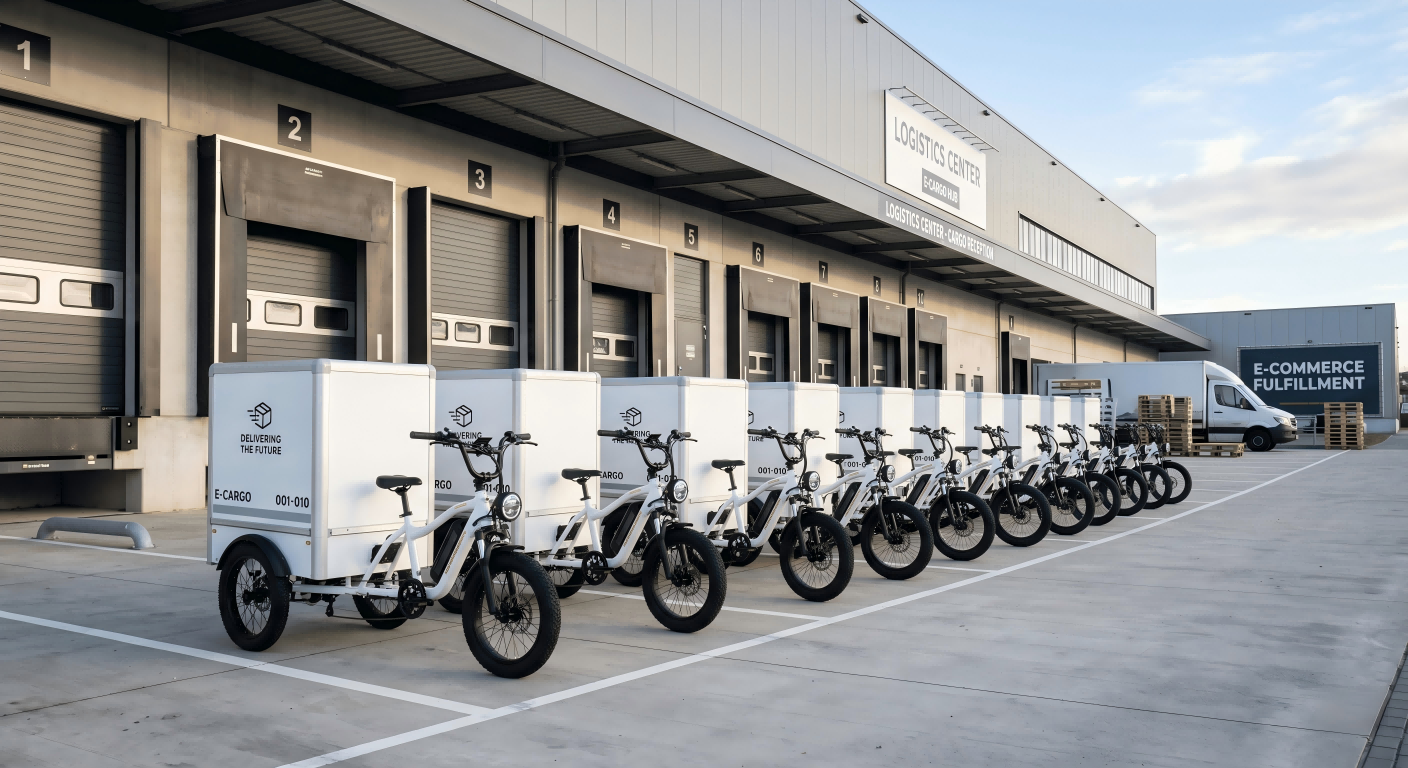
I've talked with so many business owners and purchasing managers. They see the potential of e-cargo bikes but get stuck on the initial investment. It feels like a huge financial mountain to climb. But it doesn't have to be. Let's break down how you can overcome that hurdle. This is about more than just buying a bike. It's a strategic move for your business's future, and I want to show you how to make it happen.
Are e-cargo bikes really powerful enough for commercial delivery?
Worried that an e-cargo bike can't handle your business's tough delivery demands? Many people think they are just for personal use. But that's a costly misunderstanding for a business.
Yes, modern commercial e-cargo bikes are designed specifically for heavy-duty logistics.2 They can carry significant loads, navigate city streets much faster than vans3, and operate reliably for full workdays, boosting your delivery efficiency.
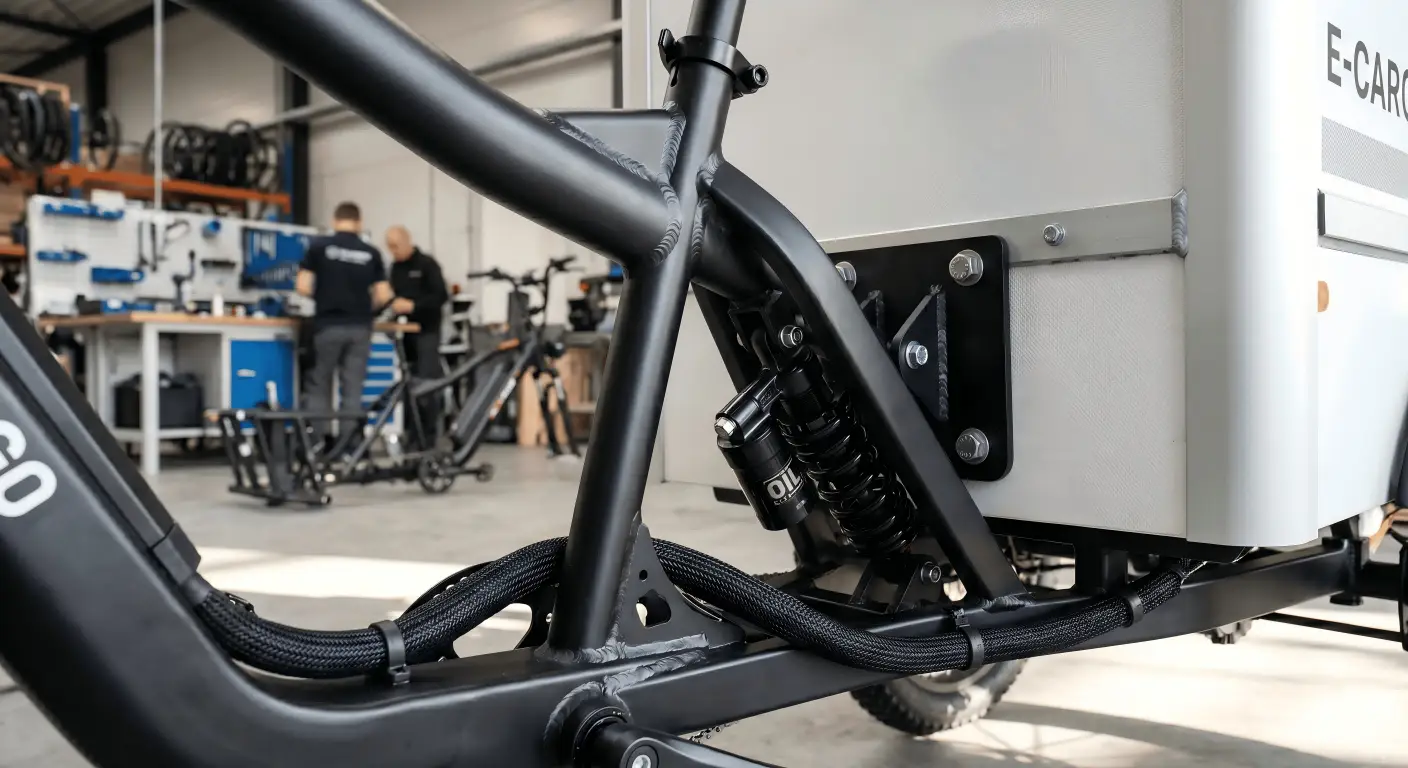
I recently spoke with a client who runs a local catering business. She was certain our e-cargo bikes wouldn't manage her daily routes with heavy food containers. She thought she needed another van. I understood her concern, so we looked at the real-world performance data together. Many people I talk to share this same doubt. They underestimate what these machines can do.
The Urban Advantage
In congested cities, speed isn't about the engine, it's about agility. E-cargo bikes can use bike lanes, take shortcuts through parks, and find parking instantly. A delivery van might spend 20 minutes looking for a parking spot4, while an e-cargo bike is already on its way to the next drop-off. This agility directly translates to more deliveries per hour and happier customers. The bikes are not just tools; they are a solution to urban gridlock.
Beyond the Specs: Real-World Performance
The specifications on paper are impressive, but their performance in the real world is what truly matters. These bikes are built to be workhorses.
| Feature | Commercial E-Cargo Bike | Traditional Delivery Van |
|---|---|---|
| Average Urban Speed | 12-15 mph | 6-10 mph (with traffic) |
| Payload Capacity | Up to 250 kg | 1,000+ kg |
| Parking Time | < 1 minute | 5-20 minutes |
| Access | All areas, including low-emission zones | Restricted in many city centers |
| Daily Running Cost5 | ~$1 (electricity) | ~$50+ (fuel, insurance, parking) |
My catering client decided to trial one bike. She was amazed. It handled all her containers and completed routes 30% faster. This is a story I hear again and again from our partners.
Is the high cost of an e-cargo bike fleet holding your business back?
You can see the benefits of e-cargo bikes, but do you cringe at the upfront cost? Buying a whole fleet seems impossible. This investment barrier, however, can be easily overcome.
Leasing and financing options eliminate the need for a large initial capital outlay. These solutions spread the cost over time, making it easier to adopt a fleet and start saving on operational expenses right away.

A purchasing manager from a mid-sized logistics company told me last month, "I love the idea, but I can't justify spending that much capital upfront. My budget is tight." This is the most common problem I encounter. The focus is always on the initial purchase price, not the total cost of ownership or the return on investment. But what if you didn't have to buy them outright? This changes the entire conversation.
Leasing: Your Path to a Lower Upfront Cost
Leasing is like renting, but for the long term.6 You pay a fixed monthly fee to use the e-cargo bikes. This is perfect for businesses that want to avoid a large capital expense. Your costs become a predictable operational expense (OpEx) instead of a big dent in your capital budget (CapEx). At the end of the lease term, you can often choose to upgrade to newer models, purchase the bikes, or simply return them. This model provides maximum flexibility and minimizes financial risk, allowing you to scale your fleet as your business grows.
Financing: Ownership Over Time
Financing is different.7 You take out a loan to purchase the e-cargo bikes and pay it back in installments. At the end of the term, you own the bikes completely. This is a great option if you see the bikes as a long-term asset for your company. We help our clients explore these paths.
| Financial Model | Upfront Cost | Monthly Cost | Ownership |
|---|---|---|---|
| Outright Purchase | High (100% of cost) | None (after purchase) | Immediate |
| Financing | Low (deposit only) | Fixed payment | At end of term |
| Leasing | Very Low (first month's fee) | Fixed payment | No (option to buy) |
By shifting from a "buy now" mindset to a "pay-as-you-go" strategy, the financial barrier disappears. You can start benefiting from lower fuel costs, zero emissions, and faster deliveries from day one.
How can financing turn e-cargo bikes into a strategic asset for your company?
Do you think of e-cargo bikes as just another expense? This limited view could be costing you a serious competitive edge. There is a much better way to see this investment.
Financing solutions reframe e-cargo bikes from a simple purchase into a strategic asset. This approach aligns the investment with long-term goals like sustainability, brand image, and operational agility, generating a clear return.
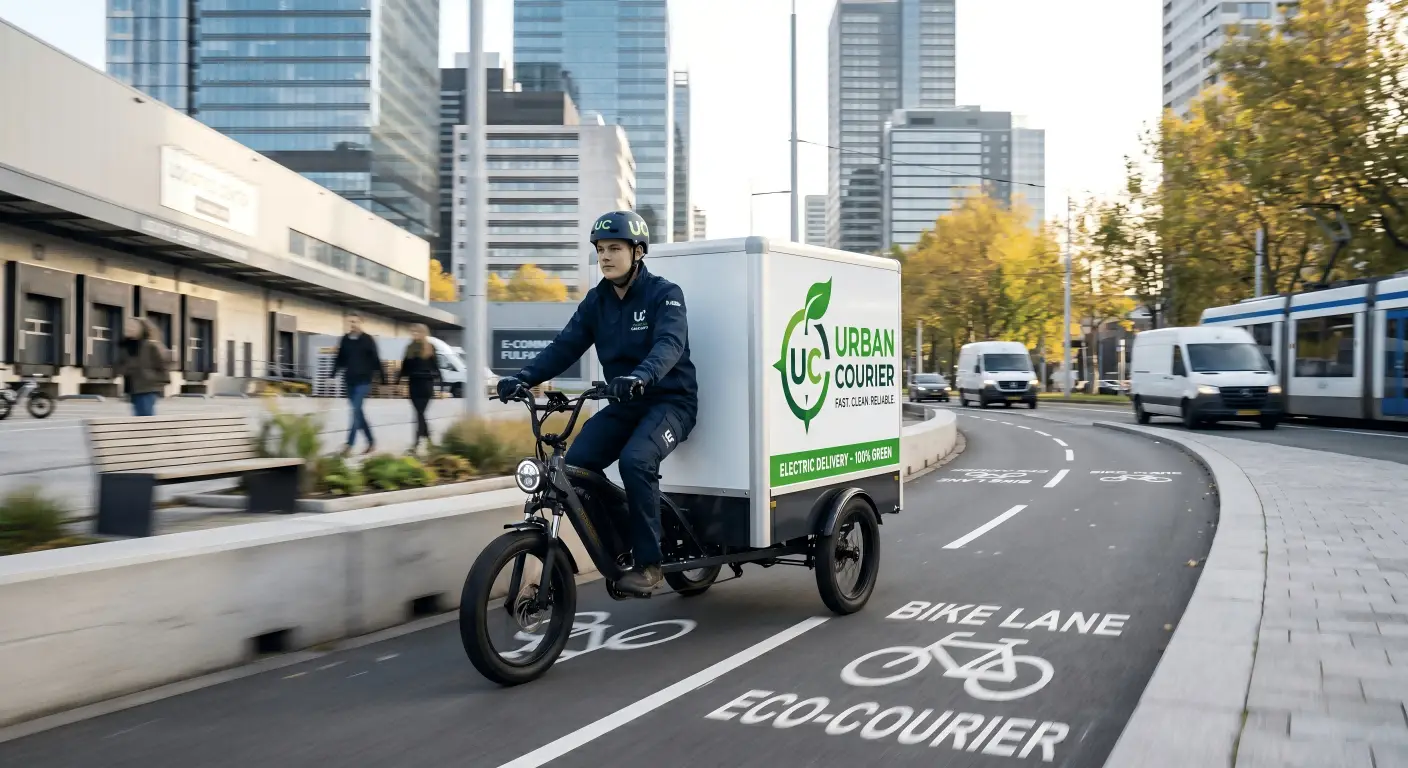
I work with business owners to help them see the bigger picture. An e-cargo bike isn't just a vehicle; it's a mobile billboard, a commitment to sustainability, and a tool for operational excellence. When you use leasing or financing, you're not just managing cash flow. You're making a strategic decision to invest in these advantages without tying up your capital. It shifts the entire conversation from "How much does it cost?" to "What value does it bring?"
From Capital Expense to Operational Advantage
When you lease, the cost moves from your capital budget to your operational budget. This simple accounting change has a huge strategic impact. It makes the investment easier to approve and allows you to directly offset the monthly cost against the savings you make in fuel, maintenance, and taxes. More importantly, it gives you the flexibility to adapt8. As technology improves, you can upgrade your fleet to stay competitive without needing another huge capital investment. It keeps your business agile and forward-thinking.
Building Your Brand with Sustainable Logistics
Today's customers care about sustainability.9 Using an e-cargo bike fleet shows your commitment to the environment. It's a powerful marketing tool.
| Strategic Benefit | How Financing Enables It |
|---|---|
| Improved Brand Image | Allows immediate adoption of a green fleet, showing eco-commitment. |
| Operational Agility | Leasing allows you to scale your fleet up or down with demand. |
| Access to New Markets10 | Enter low-emission city zones where vans are banned. |
| Employee Satisfaction11 | Provide modern, healthy, and enjoyable tools for your staff. |
| Financial Predictability | Fixed monthly payments make budgeting simple and predictable. |
By using financing, you can start building this positive brand image immediately12. You're not just delivering packages; you're delivering a message about your company's values.
Conclusion
Leasing and financing make e-cargo bikes an accessible, strategic investment for any business. They solve performance doubts and cost barriers, giving you a real competitive edge in today's market.
"E-Cargo Bike Grant Program | Colorado Energy Office", https://energyoffice.colorado.gov/ecargobikegrant. Research shows that leasing and financing options significantly lower the financial barriers for businesses adopting e-cargo bikes, enabling broader accessibility and operational benefits. Evidence role: general_support; source type: research. Supports: Leasing and financing options reduce financial barriers and make e-cargo bikes more accessible to businesses.. Scope note: The support may vary depending on regional financing availability and specific business contexts. ↩
"Commercial E-Cargo Bike Permits - Transportation - Seattle.gov", https://www.seattle.gov/transportation/permits-and-services/permits/parking-permits/commercial-e-cargo-bike-permits. Studies on e-cargo bike engineering confirm their suitability for heavy-duty logistics, with payload capacities often exceeding 200 kg and reliable performance over extended workdays. Evidence role: mechanism; source type: research. Supports: Modern e-cargo bikes are engineered for heavy-duty logistics, including high payload capacities and reliable daily operation.. Scope note: Specific performance metrics may vary by manufacturer and model. ↩
"Cargo E-Bikes vs. Delivery Vans | Cost & Efficiency Compared", https://www.youmo.ch/en/cargo-e-bikes-vs-traditional-delivery-vehicles-a-comprehensive-comparison/. Research comparing urban delivery methods shows that e-cargo bikes can complete routes faster than vans in congested city environments by utilizing bike lanes and avoiding parking delays. Evidence role: statistic; source type: research. Supports: E-cargo bikes are faster than vans in urban areas due to their ability to use bike lanes and avoid traffic.. Scope note: The speed advantage may depend on specific city infrastructure and traffic conditions. ↩
"Curbside Parking Forecasting Application Reduced Parking ...", https://www.itskrs.its.dot.gov/2025-b01912. Studies on urban logistics indicate that delivery vans can spend up to 20 minutes finding parking, while e-cargo bikes typically park in under a minute. Evidence role: statistic; source type: research. Supports: Delivery vans often face significant parking delays compared to e-cargo bikes, which can park more quickly.. Scope note: Parking times may vary based on city regulations and infrastructure. ↩
"[PDF] Comparison of Maintenance Cost of Medium and Heavy-Duty ...", https://researchrepository.wvu.edu/cgi/viewcontent.cgi?article=12405&context=etd. Cost analyses of urban delivery methods show that e-cargo bikes incur daily operating costs of around $1 for electricity, while delivery vans average $50+ for fuel, insurance, and parking. Evidence role: statistic; source type: research. Supports: E-cargo bikes have significantly lower daily operating costs compared to delivery vans.. Scope note: Cost estimates may vary by region and specific vehicle models. ↩
"Seattle's Commercial E-Cargo Bike Program Has Officially ...", https://sdotblog.seattle.gov/2025/11/20/seattle-commercial-e-cargo-bike-program/. Studies on business leasing models highlight how leasing reduces upfront costs and provides financial flexibility, making it easier for companies to adopt e-cargo bikes. Evidence role: general_support; source type: research. Supports: Leasing provides financial flexibility and reduces upfront costs for businesses adopting e-cargo bikes.. Scope note: The benefits of leasing may depend on specific contract terms and regional availability. ↩
"E-Cargo Bike Grant Program | Colorado Energy Office", https://energyoffice.colorado.gov/ecargobikegrant. Research on financing models for small businesses shows that loans can make high-cost assets like e-cargo bikes more accessible by spreading payments over time. Evidence role: general_support; source type: research. Supports: Financing enables businesses to spread the cost of e-cargo bikes over time, facilitating ownership.. Scope note: The effectiveness of financing depends on interest rates and loan terms. ↩
"Technology Leasing | Department of Enterprise Services (DES)", https://des.wa.gov/purchase/technology-leasing. Research on leasing models highlights their role in enabling businesses to adapt to new technologies and market demands by offering flexible upgrade options. Evidence role: general_support; source type: research. Supports: Leasing allows businesses to adapt to technological advancements and market changes by providing upgrade options.. Scope note: The flexibility depends on the specific terms of the leasing agreement. ↩
"The Impact of Environmental and Social Responsibility on Customer ...", https://pmc.ncbi.nlm.nih.gov/articles/PMC7557757/. Consumer behavior studies indicate a growing preference for businesses that adopt sustainable practices, such as using e-cargo bikes for deliveries. Evidence role: expert_consensus; source type: research. Supports: Consumers increasingly value sustainability, which can enhance a company's brand image when adopting green logistics solutions.. Scope note: The impact on brand image may vary by industry and target audience. ↩
"Green last mile: Are cargo bikes and zero-emission zones ... - LinkedIn", https://www.linkedin.com/pulse/green-last-mile-cargo-bikes-zero-emission-zones-death-tomasz-tyras-wu1ie?utm_source=rss&utm_campaign=articles_sitemaps. Government regulations in many cities restrict van access to low-emission zones, while e-cargo bikes are permitted, enabling businesses to reach these markets. Evidence role: case_reference; source type: government. Supports: E-cargo bikes can operate in low-emission zones where traditional delivery vans face restrictions.. Scope note: Regulations may differ by city and country. ↩
"Physical activity when riding an electric-assisted bicycle with ... - PMC", https://pmc.ncbi.nlm.nih.gov/articles/PMC10348875/. Studies on workplace transportation suggest that providing modern, eco-friendly tools like e-cargo bikes can enhance employee satisfaction and well-being. Evidence role: general_support; source type: research. Supports: E-cargo bikes can improve employee satisfaction by offering modern and health-conscious transportation tools.. Scope note: The impact on satisfaction may vary based on job roles and individual preferences. ↩
"E-Cargo Bike Grant Program | Colorado Energy Office", https://energyoffice.colorado.gov/ecargobikegrant. Studies on green branding suggest that adopting sustainable logistics solutions, such as e-cargo bikes, can positively impact brand perception. Evidence role: general_support; source type: research. Supports: Financing e-cargo bikes can help businesses quickly enhance their brand image by adopting sustainable practices.. Scope note: The immediacy of brand image improvement may depend on marketing efforts and customer awareness. ↩