
Your property sees more delivery bikes every day, but your infrastructure isn't ready. This mismatch creates chaos, inefficiency, and frustrated tenants, threatening your operational flow and reputation.
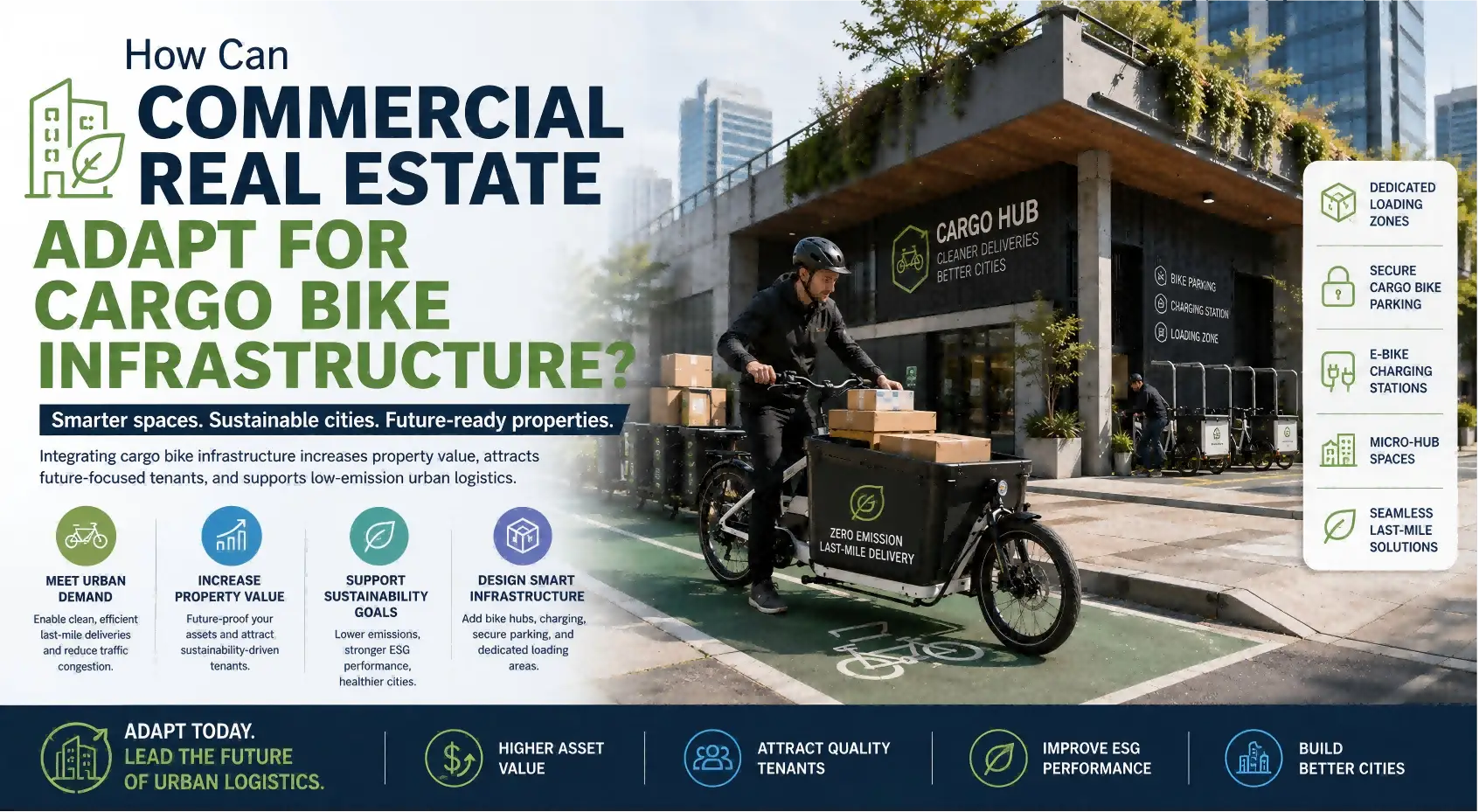
To adapt for cargo bikes, commercial real estate operators must focus on tailored technical solutions. This means creating dedicated parking and charging stations and optimizing back-end logistical pathways, rather than just expanding general storage space or making decisions based on cost alone.
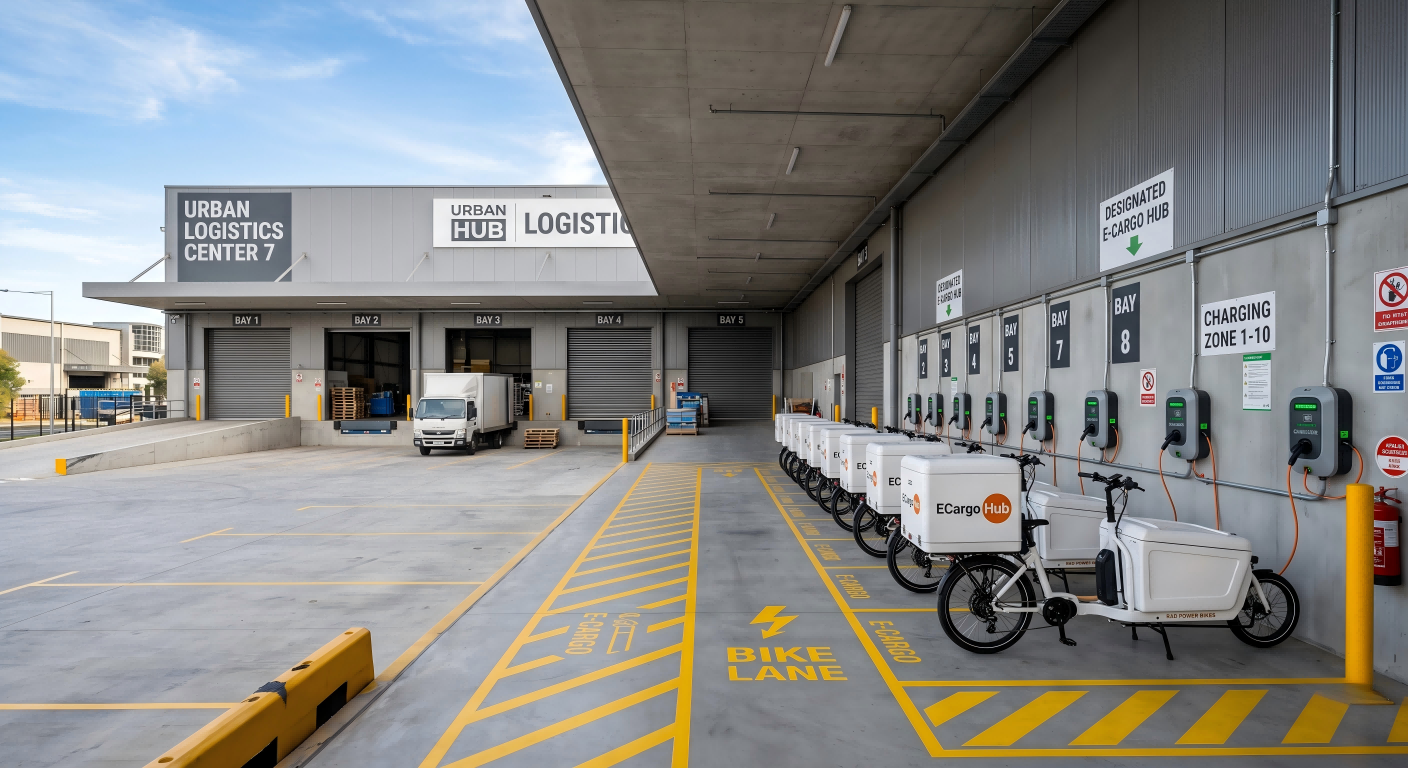
I have seen this problem firsthand in my conversations with clients. Many shopping mall operators know they need to adapt to the rise of micro-mobility. They see the delivery cargo bikes and want to support them1. But their first instinct is often to find the cheapest, simplest fix. This approach almost always fails. Simply adding more space or a generic bike rack is not the answer. Let's explore why a more thoughtful, technical approach is necessary for true success.
Why Does Generic Storage Fail for Cargo Bikes?
You might think adding a few bike racks will solve the cargo bike problem. But these bikes are bigger, heavier, and need charging. They end up blocking corridors or using valuable loading dock space.
Generic storage fails because it ignores the unique needs of commercial cargo bikes. They require more space than regular bikes, secure locking points for high-value assets, and access to charging stations. Without these features, delivery operations grind to a halt.
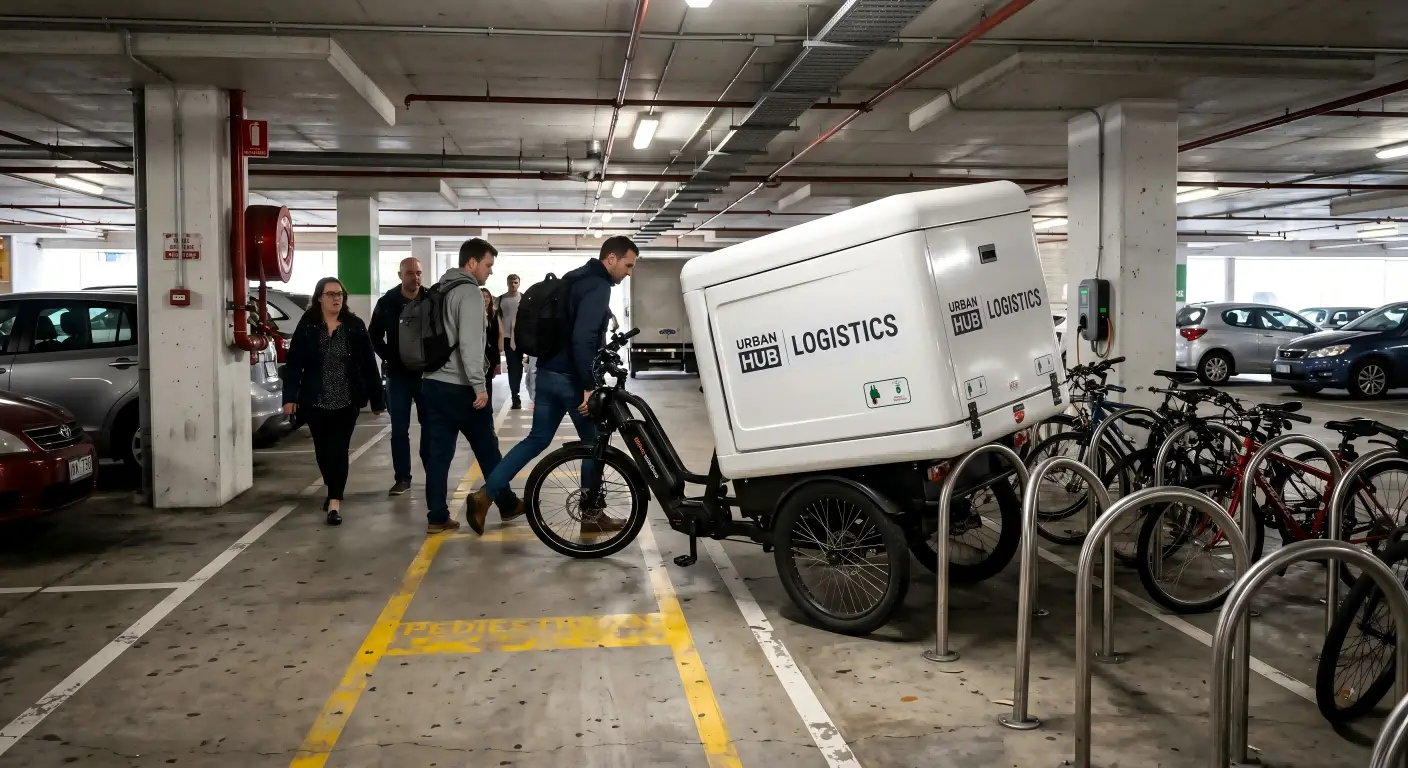
I remember talking with a mall manager in Europe who was proud of his plan. He was going to paint some larger rectangles on the ground in the parking garage and call it a "cargo bike zone." I had to walk him through the practical problems he would face almost immediately. His plan missed two critical points: security and power. These bikes, and the goods they carry, are valuable assets. And without reliable charging, they are useless for a full day's work.
The Space and Weight Problem
A standard cargo bike is much longer and wider than a personal bicycle. They also carry heavy loads, making them difficult to maneuver up curbs or into tight spots. A generic bike rack simply cannot accommodate their size or provide the necessary stability. The solution is a dedicated hub designed with wide entry points and ground-level access, located strategically to serve your logistics flow, not just your main entrance.
The Critical Need for Charging
For a delivery business, a cargo bike with a dead battery is a massive liability2. I have seen it happen. A tenant's delivery service is paralyzed for hours because there was nowhere to charge their fleet. A proper cargo bike hub must have integrated, weatherproof charging outlets. This ensures that the bikes are always ready for use, maintaining the efficiency that makes them so attractive in the first place.
| Feature | Traditional Bike Rack | Dedicated Cargo Bike Hub |
|---|---|---|
| Space | Small footprint for personal bikes | Large, accommodates length and width |
| Security | Basic frame lock loop | Heavy-duty anchors, often covered or enclosed |
| Charging | None | Integrated, reliable power outlets |
| Accessibility | Usually near public entrances | Near loading docks & back-end routes |
How Do You Optimize Back-End Logistics for Cargo Bikes?
Your loading docks are already congested with large trucks and vans. Trying to squeeze cargo bikes into this dangerous mix creates chaos, delays, and serious safety risks for everyone involved.
Optimize back-end logistics by creating separate, designated pathways for cargo bikes. This prevents conflicts with larger vehicles in loading docks. Clearly marked routes, wider service corridors, and dedicated elevators ensure bikes can move from dock to retailer efficiently and safely.
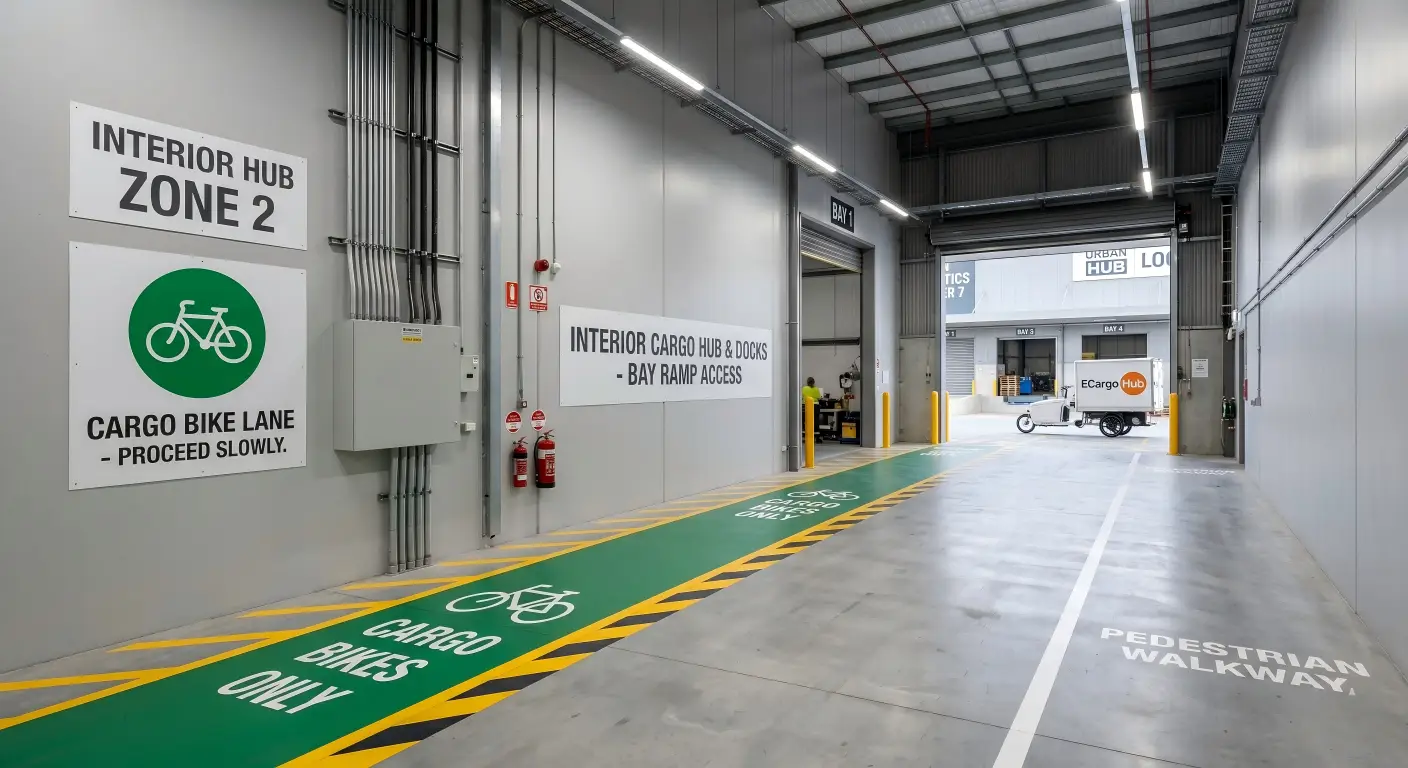
A procurement specialist for a large retail chain told me his biggest fear. It was not theft or delays, but a cargo bike colliding with a forklift in a narrow service tunnel3. This is a very real danger. Traditional back-of-house areas were never designed for this new type of vehicle4. Simply telling riders to "be careful" is not a strategy. You must re-engineer the space and the workflow to account for this new reality. It's about creating a system where different types of vehicles can operate at the same time without getting in each other's way.
Creating Separate Traffic Lanes
The simplest and most effective solution is to create physically separate or clearly marked lanes for micro-mobility. Use paint, bollards, or low barriers to define a path exclusively for cargo bikes. This path should run from the cargo bike hub directly to service corridors. It keeps riders safe from heavy machinery and prevents them from getting stuck behind a reversing 18-wheeler. Add mirrors at blind corners and post clear speed limits for bikes operating indoors.
Upgrading Vertical Transportation
Many service elevators are too small or too slow to handle a steady flow of cargo bikes. A bike might not fit, or it might hold up the elevator for too long, creating a bottleneck. Consider designating one service elevator for micro-mobility5 or upgrading an existing one to be larger. The goal is a seamless flow: the bike arrives, unloads goods at a consolidation point, travels a safe path to the elevator, and reaches the retailer's stockroom without delay6.
Is a Custom Technical Upgrade a Better Investment?
You need to upgrade your facility, but the budget is tight. The cheapest option on paper looks very tempting. But cheap fixes lead to constant problems, operational downtime, and unhappy tenants7.
Yes, a custom technical upgrade is a much better long-term investment. While the initial cost may be higher, a tailored solution improves efficiency, reduces operational bottlenecks, and enhances safety. This leads to higher tenant satisfaction and a stronger return on investment (ROI).
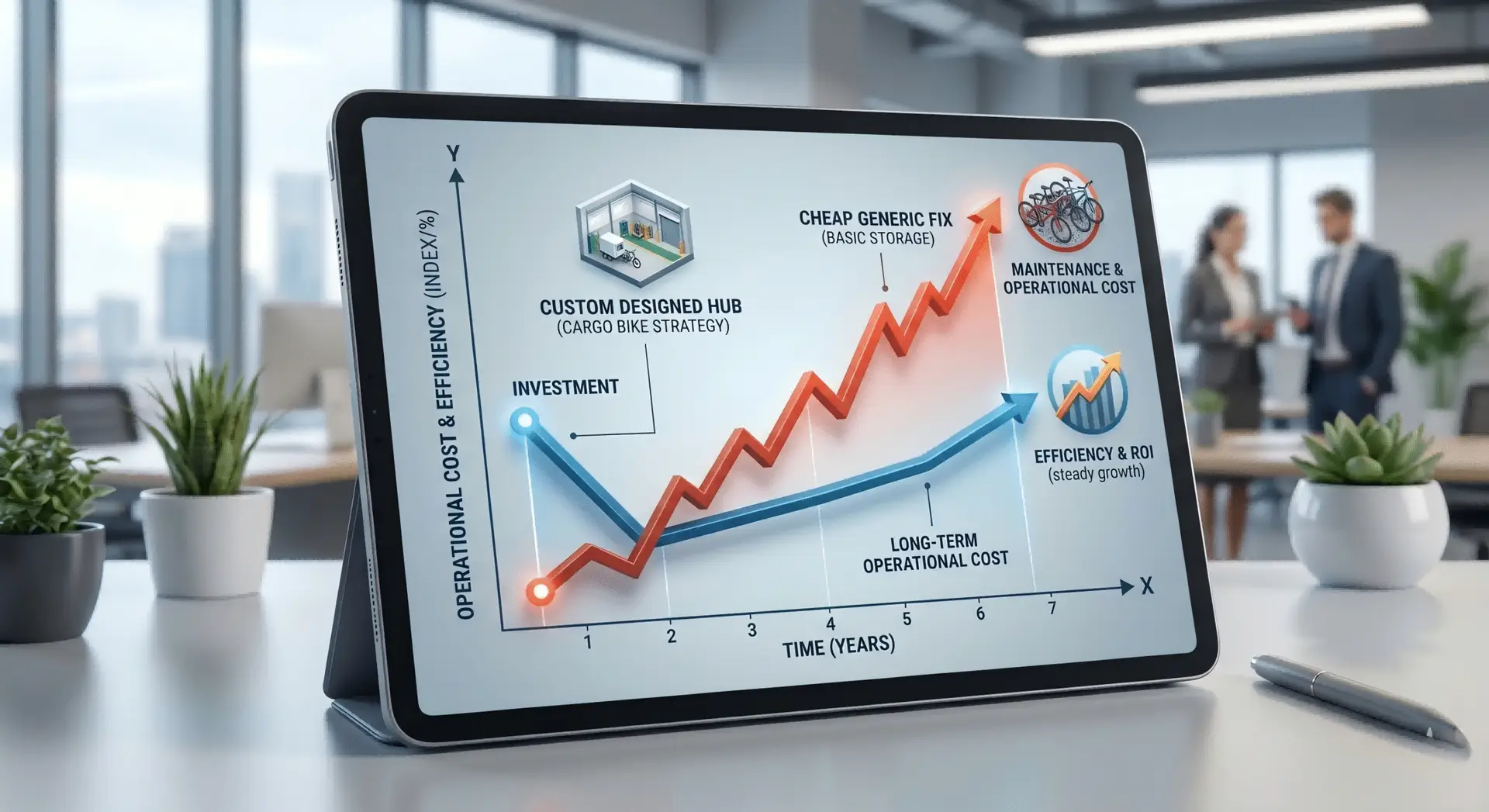
One of my clients, a shopping mall operator, was choosing between two options. Option A was a cheap, generic bike shelter placed in a distant corner of the parking lot. Option B was a custom-designed hub with secure charging stations and direct access to a newly marked service corridor. The finance department pushed for Option A to save money in the short term. We strongly advised them to consider the daily operational reality. They wisely chose Option B. A sister property in their portfolio went with the cheaper option.
The Pitfall of Short-Term Cost Cutting
The property that chose the cheap shelter faced immediate problems. Delivery riders refused to use it because it was insecure and too far from the loading bay. Bikes were left in fire lanes. Batteries died mid-shift. Deliveries were delayed, and tenants complained constantly. The "savings" were quickly erased by operational chaos and the hidden costs of inefficiency.
Measuring the Real ROI
My client who invested in the custom hub saw a different result. Their delivery logistics became a selling point8. Tenants were happy with the fast and reliable flow of goods. The hub eliminated congestion in the main loading dock, making operations safer for everyone. The initial investment paid for itself through improved efficiency, tenant retention, and a reputation as a forward-thinking, modern property9. That is the real ROI.
| Metric | Low-Cost Generic Solution | Custom Technical Solution |
|---|---|---|
| Initial Cost | Low | Higher |
| Operational Efficiency | Low (creates new bottlenecks) | High (streamlines workflow) |
| Tenant Satisfaction | Low (complaints about delays) | High (reliable and fast deliveries) |
| Long-Term Cost | High (repairs, lost time, safety issues) | Low (durable, efficient, safe) |
| ROI | Negative | Positive and compounding |
Conclusion
Adapting for cargo bikes requires custom technical solutions. Focus on dedicated parking, charging, and optimized back-end routes for long-term success, not just short-term cost savings.
"Seattle's Commercial E-Cargo Bike Program Has Officially ...", https://sdotblog.seattle.gov/2025/11/20/seattle-commercial-e-cargo-bike-program/. ↩
"Evaluating the Environmental Impact of Using Cargo Bikes in Cities", https://www.mdpi.com/1996-1073/14/20/6462. ↩
"NYC DOT Authorizes the Use of E-Cargo Bikes on City Streets and ...", https://www.nyc.gov/html/dot/html/pr2024/e-cargo-bike-on-city-streets.shtml. ↩
"Analyzing the impact of bicycle geometry and cargo loading ... - PMC", https://pmc.ncbi.nlm.nih.gov/articles/PMC11033132/. ↩
"Micromobility - | ITS Deployment Evaluation", https://www.itskrs.its.dot.gov/briefings/executive-briefing/micromobility. ↩
"Freight Logistics Optimization Works (FLOW)", https://www.bts.gov/flow. ↩
"Federal Tenant Satisfaction Survey - GSA", https://www.gsa.gov/real-estate/voice-of-the-customer/federal-tenant-satisfaction-survey. ↩
"[PDF] FHWA E-bike Case Study Series - ROSA P", https://rosap.ntl.bts.gov/view/dot/86832/dot_86832_DS1.pdf. ↩
"Study Finds Bike Lanes Can Provide Positive Economic Impact in ...", https://trec.pdx.edu/news/study-finds-bike-lanes-can-provide-positive-economic-impact-cities. ↩