
Choosing your eBike OEM partner feels overwhelming. A bad decision can destroy your budget and reputation. Asking the right questions from the start is the only way to secure success.
The key is to ask operational and process-based questions, not just surface-level ones about price and certificates. You need to understand a manufacturer's true capabilities, cost structures, and how they handle problems before you sign a contract to avoid costly partnership failures.
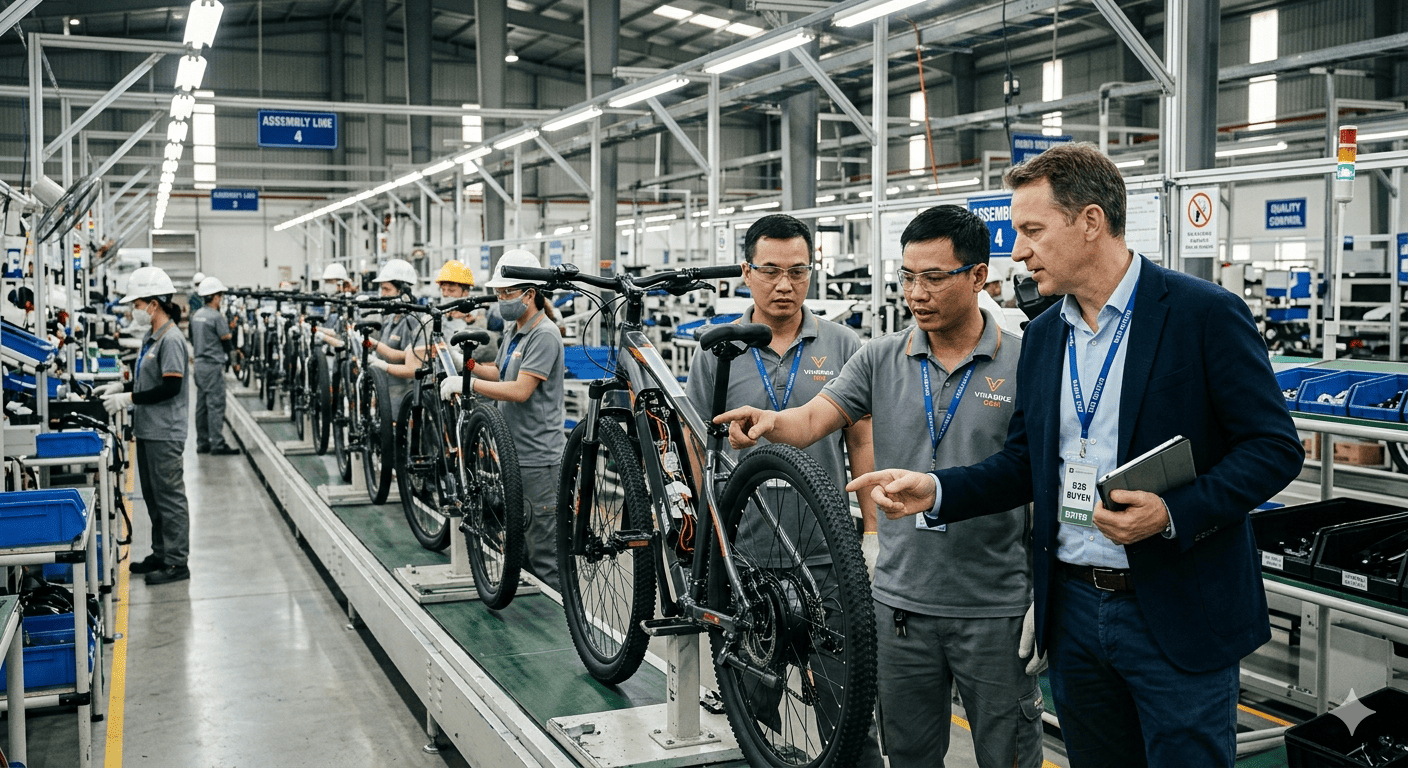
Over my 15 years in eBike manufacturing1, I've spoken with countless brand owners. Many come to us after a partnership with another factory has failed. They are often frustrated and have lost a lot of money. I've noticed a pattern in these failed relationships: they always start with the wrong questions. A successful partnership isn’t built on the lowest price; it's built on transparency, clear communication, and proven processes. Let's look at the questions you should be asking to find a partner who can truly help you grow.
Are You an OEM or an ODM, and What Does That Mean for My Project?
You have a vision for a unique eBike. But partnering with a factory that can't handle your design needs will stall your project. You must verify their development capabilities from day one.
Ask for a detailed breakdown of their R&D department and examples of past custom projects. An OEM builds your design, while an ODM modifies their existing products for you. Misunderstanding this difference is a primary cause of project failure for new brands.2
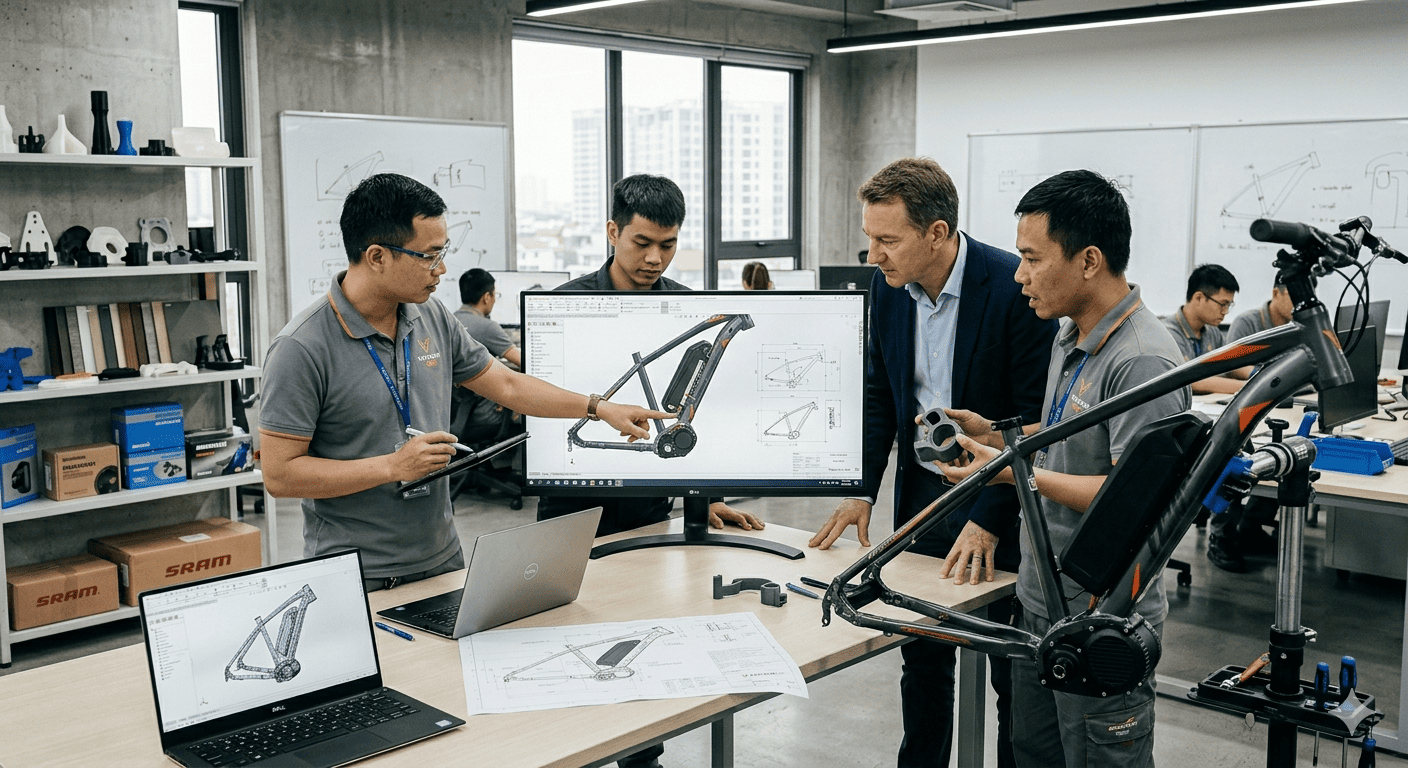
Many buyers start by asking, "Can you build my custom eBike?" Almost every factory will say yes. This is a trap. A better question is, "Can you walk me through your process for new product development, from concept to mass production?" I’ve seen new brands lose six months and their entire tooling budget with a factory that was great at assembly but had zero engineers. The factory couldn't solve basic design-for-manufacturing issues, and the project collapsed. You must dig deeper. Ask about the size of their R&D team. Ask what CAD software they use. Ask for case studies of ODM projects they have successfully launched for other clients. This proves they don't just assemble parts; they can solve problems and innovate.
| Capability | OEM (Original Equipment Manufacturer) | ODM (Original Design Manufacturer) |
|---|---|---|
| Who Designs? | You provide 100% of the design, specs, and engineering files. | They provide a base model that you can customize (re-brand, change components, etc.). |
| Intellectual Property | You own the IP. | The factory typically owns the base design IP. |
| Best For | Brands with strong in-house design and engineering teams. | Brands wanting to get to market quickly with a proven design. |
| Common Mistake | Assuming an OEM has the engineering skill to fix flaws in your design. | Assuming you can make fundamental changes to an ODM frame or motor integration. |
How Can I Understand Your Full Cost Structure, Not Just the Unit Price?
You're focused on getting the lowest unit price possible. But hidden fees for tooling, samples, and testing can suddenly inflate your costs. You need full transparency to protect your budget.
Request a detailed cost breakdown that separates the unit price from one-time costs like mold fees, sample charges, and certification testing. A factory that is hesitant to provide this transparency is often hiding costs that will appear on later invoices.
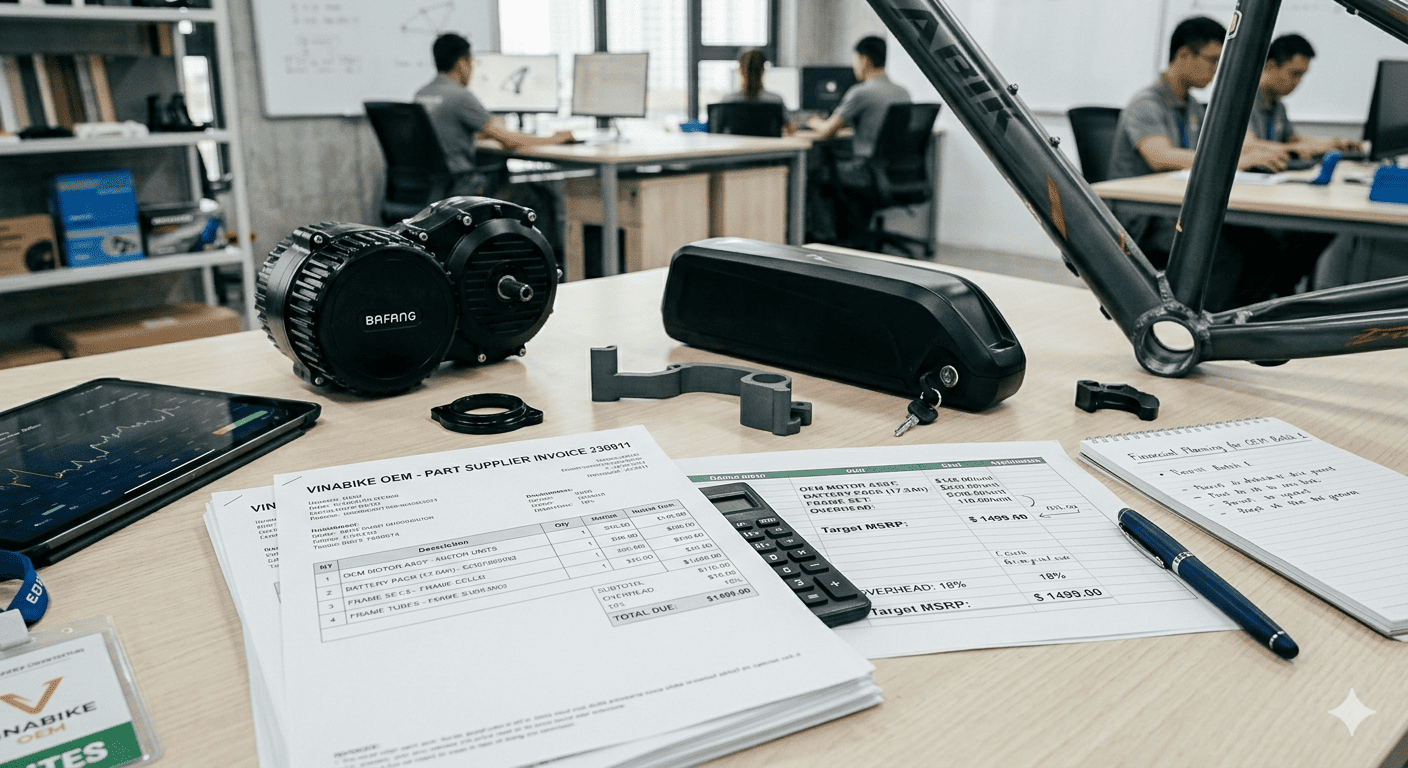
A common mistake is to compare quotes based only on the Free on Board (FOB) price3 per unit. I once consulted with a brand that chose a partner with a $20 cheaper unit price. They felt smart, until they received a surprise $15,000 invoice for "frame molding adjustments" and another $5,000 for "pre-production sample validation." Their cheaper partner ended up being far more expensive. Instead of asking "What is your price?", you should ask, "Please provide a quote that itemizes all potential one-time and recurring costs." A trustworthy manufacturer will have no problem separating these. They can tell you the cost for frame molds, battery case molds, jigs, and fixtures. They will also be clear about the costs for samples and any third-party lab testing. The lowest price often signals the highest risk, because it means the factory has to cut corners somewhere else, usually in quality control or service.4
What Happens if I Can't Meet the MOQ on My Second Order?
You worry about the high Minimum Order Quantity (MOQ) for your first order. But the real trap is what happens on your second or third order. A rigid MOQ can lock you into a bad supplier.
Ask about their policy for smaller follow-up orders or if they offer component stocking programs. A flexible partner who wants to grow with you will have options beyond a strict MOQ, while a rigid factory sees you only as a single transaction.
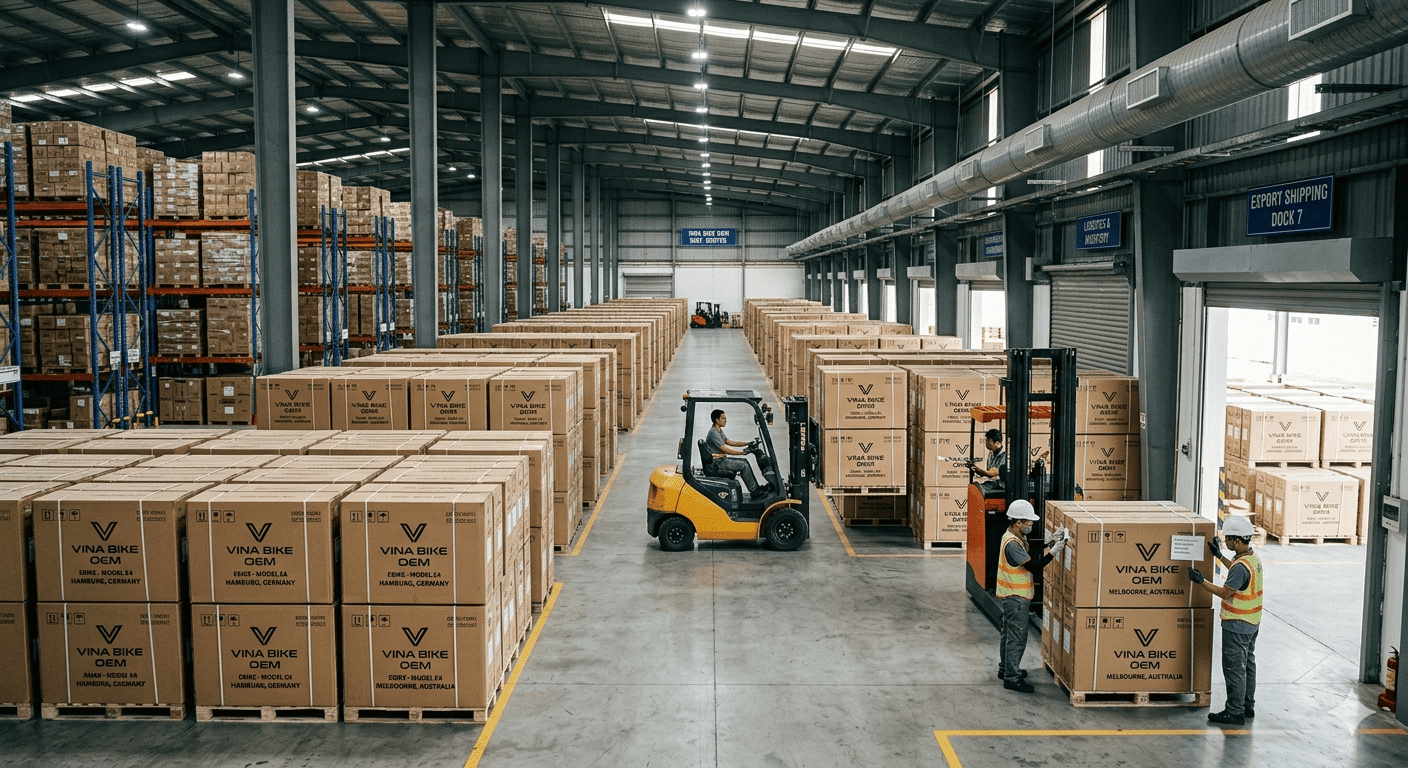
First-time buyers are obsessed with the initial MOQ. They negotiate hard to lower it. But they never ask, "What is the MOQ for a follow-up order if my sales are slower than projected?" I've seen brands stuck with a failing supplier simply because they couldn't afford the high MOQ to switch. The old factory holds their molds hostage, and they can't place a small order to keep their business running while they find a new partner. A great partner understands that business fluctuates. Ask them: "If my second order is 50% of the initial MOQ, what happens?" A good factory might offer a solution, such as a small price increase for the lower volume, or a component stocking program where they hold raw materials for you. A bad factory will just say "no." Their response to this question tells you if they see you as a long-term partner or a short-term cash source.
Beyond Your ISO9001 Certificate, How Do You Ensure Quality Day-to-Day?
You see an ISO9001 or BSCI certificate and feel relieved. But a certificate on the wall doesn't stop defects from happening on the factory floor. You need to understand their real-world quality processes.
Ask to see their Quality Control checklists for incoming materials, in-process assembly, and final inspection. A certificate proves they have a system; seeing the documents proves they actually use it and reveals how thorough they are.
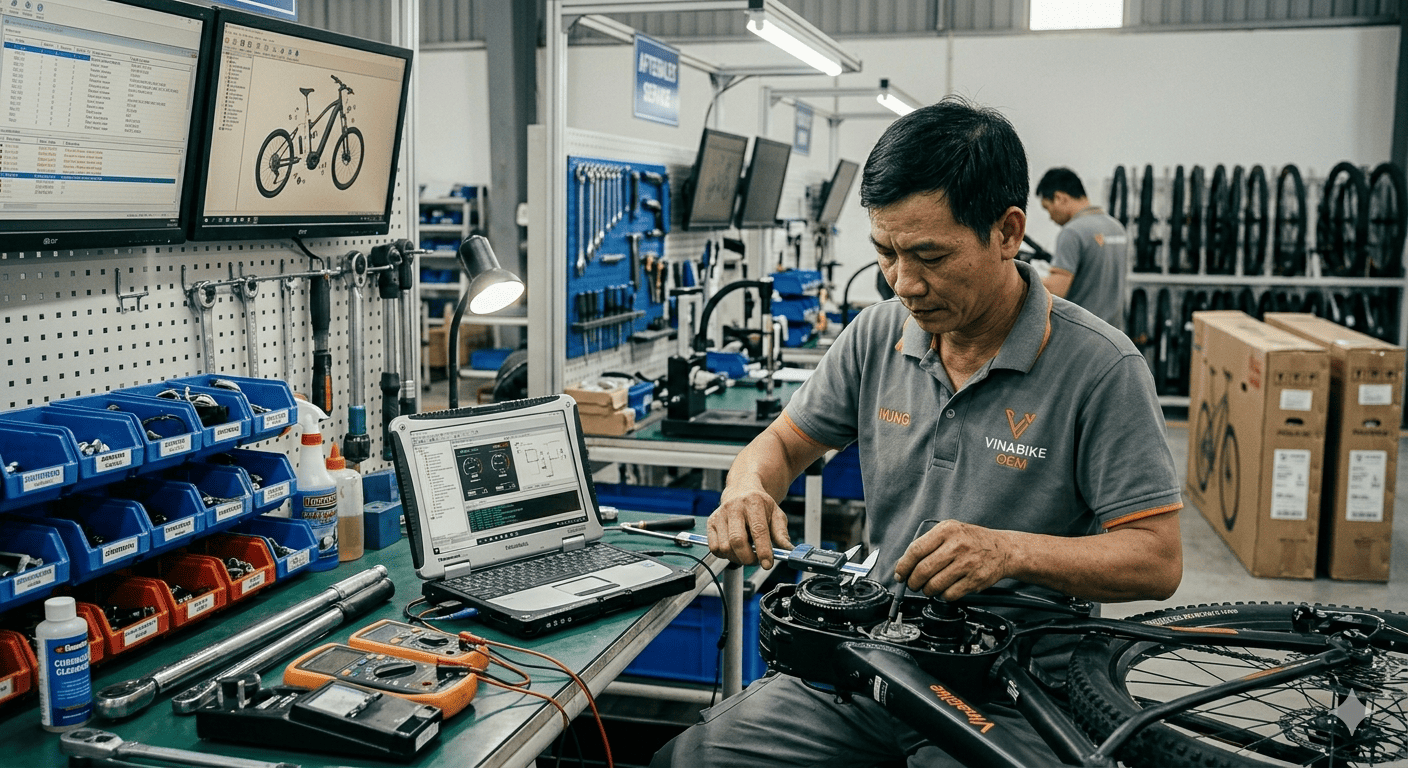
"Do you have ISO9001?" is one of the first questions buyers ask. Yes, we do, and it's important. But it's only the start. A certificate is a snapshot in time from an audit.5 It doesn’t tell you what happens on a busy Tuesday when a shipment of faulty brake levers arrives from a sub-supplier. The real question is, "What is your process for Incoming Quality Control (IQC)6?" and "Can I see the checklist your line leader uses for pre-assembly inspection?" A great factory will be able to show you these documents immediately. They will have detailed procedures for every stage.
Incoming Quality Control (IQC): How do they test batteries, controllers, and frames when they arrive? In-Process Quality Control (IPQC): Are there quality checkpoints on the assembly line? * Final Quality Control (FQC): What percentage of finished bikes are tested, and what functions are checked?
A factory that can't produce this documentation is a huge red flag. It means their quality system exists only on paper.
How Do You Handle Defects Found During and After Production?
You assume your new bikes will be perfect. But defects are a reality in manufacturing. A factory's response to problems is more important than their ability to prevent them.
Ask "What is your process when a defect is found by my team after delivery?" and "What is your warranty policy on key components?". This shifts the focus from simple prevention to accountability and problem-solving, which is crucial for a long-term partnership.
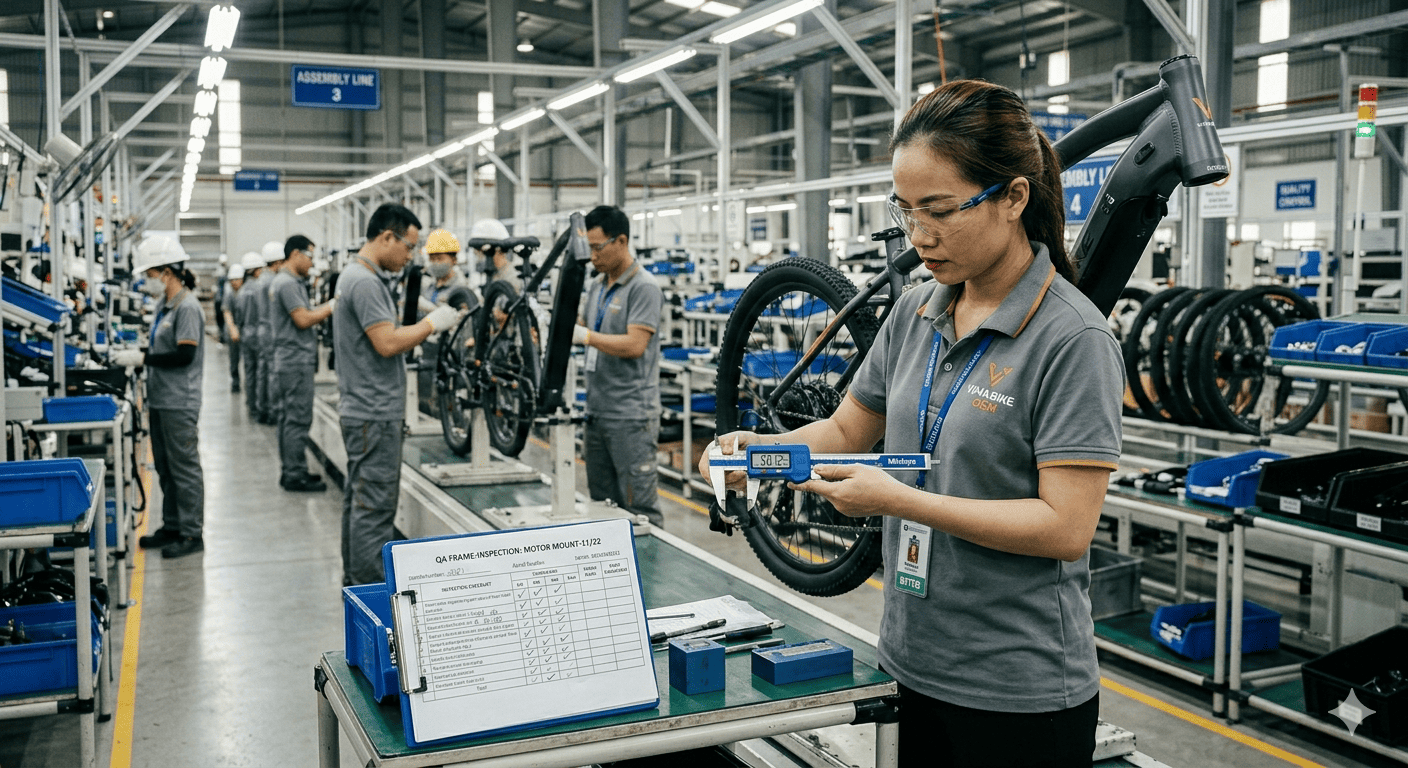
Nobody likes to talk about failure, but you must. New buyers often ask, "What is your defect rate?" This is a nearly useless metric because it can be easily manipulated. A much better question is, "Can you describe a recent situation where a quality problem was discovered, and walk me through how your team resolved it?" Their answer reveals everything. A poor partner will get defensive, blame a sub-supplier, or downplay the issue. A strong partner will talk about their root cause analysis process. They will explain how they communicated with the client, how they contained the problem, and what steps they took to prevent it from happening again. You should also be very clear on the warranty process. Who pays for shipping a defective part back? Do they send a replacement part or offer a credit? These details are boring, but they can save or sink your business when a real problem occurs.
What is Your Process for Handling Mid-Production Design or Spec Changes?
You've approved the final sample and production begins. Then, you get a great idea for an upgrade. How the factory handles this change request will define your relationship.
Ask "What is your Engineering Change Order (ECO) process7?". A factory without a formal ECO system will lead to chaos, wrong parts, and massive delays. A professional partner will have a documented procedure for managing changes.
"Can I change the grips from black to brown?" This seems like a simple request. But in the middle of a production run, it can cause chaos. I have seen this exact scenario lead to a shipment of 500 bikes with the wrong grips because the verbal request from the buyer to the salesperson never made it to the production manager. The buyer was furious, but the factory produced exactly what was on the original purchase order. This is why you must ask about their change management process before you sign anything. A professional factory will have a formal ECO process. This involves a written request, a review by engineering to check for compatibility issues, a cost and timeline impact assessment, and a formal sign-off from you before the change is implemented. It might seem like a lot of bureaucracy for a simple grip change, but this process prevents very expensive mistakes.
Who Will Be My Main Point of Contact, and How Do You Handle Technical Communication?
You have a technical question about the motor controller's firmware. Your salesperson is friendly but has no idea what you're talking about. This communication gap can lead to serious production errors.
Ask to meet your dedicated project manager or account manager during the evaluation phase. Also, ask how technical questions are escalated to their engineering team. A clear line of communication to people with answers is vital.
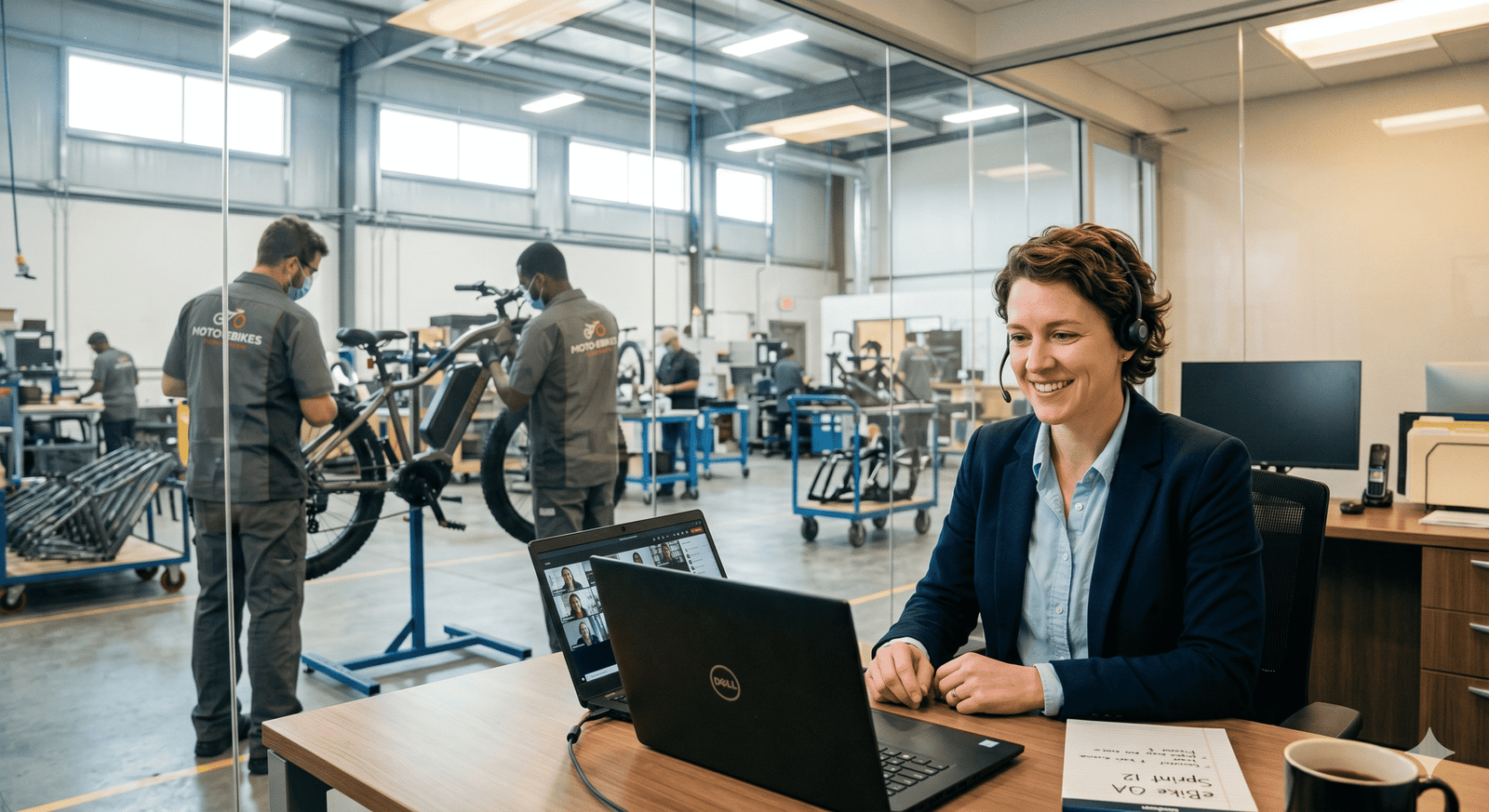
Buyers often evaluate a factory based on their interactions with the initial sales contact. But that person's job is to sell, not to manage your project. The most common communication failure I see is when a brand is stuck with a salesperson as their only point of contact. Technical details get lost in translation, and small misunderstandings turn into big problems. Before signing, you must ask, "Who will be my day-to-day contact after the order is placed, and what is their technical background?" and "What is the process for a direct call with an engineer if we have a complex technical question?" A good partner will assign you a dedicated project manager who acts as the hub for all communication. They will facilitate meetings with their engineering, quality, or logistics teams as needed. This structure ensures that your questions get to the right people and you get accurate answers quickly.
How Do You Protect My Intellectual Property and Design?
You've spent a year developing a unique frame design. You are worried that the factory might share your design with other customers or create its own competing brand.
Ask them to show you their Non-Disclosure Agreement (NDA) and ask about the physical and digital security measures they have in place. A serious manufacturer will understand your concerns and will have clear, pre-existing protocols to protect your IP.
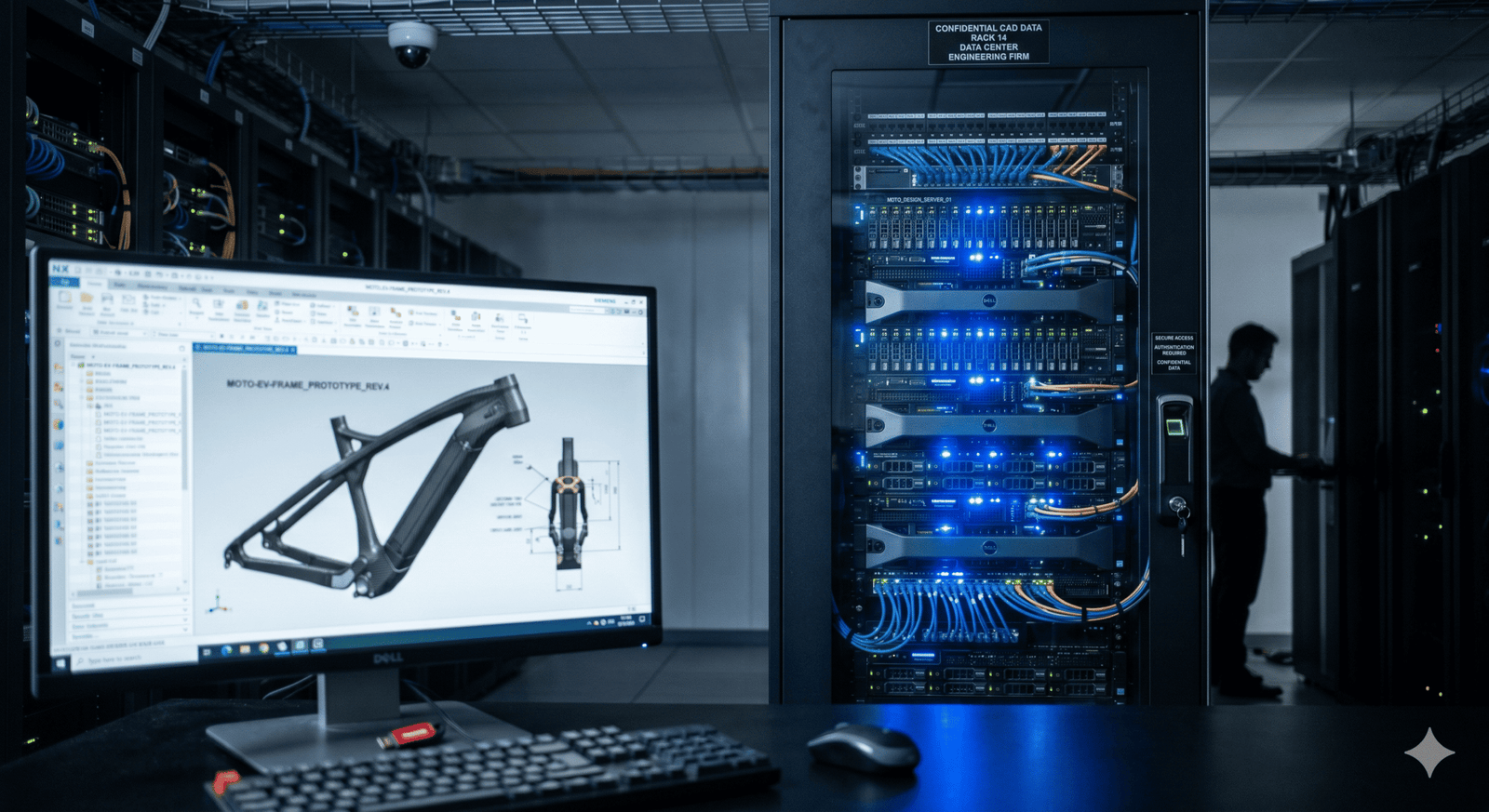
This is a huge source of anxiety for new brands, and rightly so. Simply asking, "Will you steal my design?" is not effective. You need to investigate their processes. The first step is a solid NNN (Non-disclosure, Non-use, Non-circumvention) agreement, which is more robust for China than a standard Western NDA8. But a legal document is only one layer. You should ask practical questions about their security. "How do you control access to our design files within your company?" "Are production areas for different clients physically separated?" "Do you have policies that prevent our unique components from being shown in your public showroom or at trade fairs?" The way they answer tells you how seriously they take IP protection. A professional factory will talk about firewalls, access-controlled servers, and internal policies. A less reputable factory might give a vague, reassuring answer without any specifics. Their readiness and detail are the key indicators.
How Do You Manage Production Scheduling and Guarantee My Delivery Times?
A factory tells you they can produce 30,000 units a month. But that number is meaningless if they can't fit your order into their schedule or manage their supply chain effectively.
Ask "Can you show me how you manage your production schedule and how you mitigate against potential supply chain delays?". A reliable partner uses a production planning system (like an ERP9) and can talk openly about their backup plans.
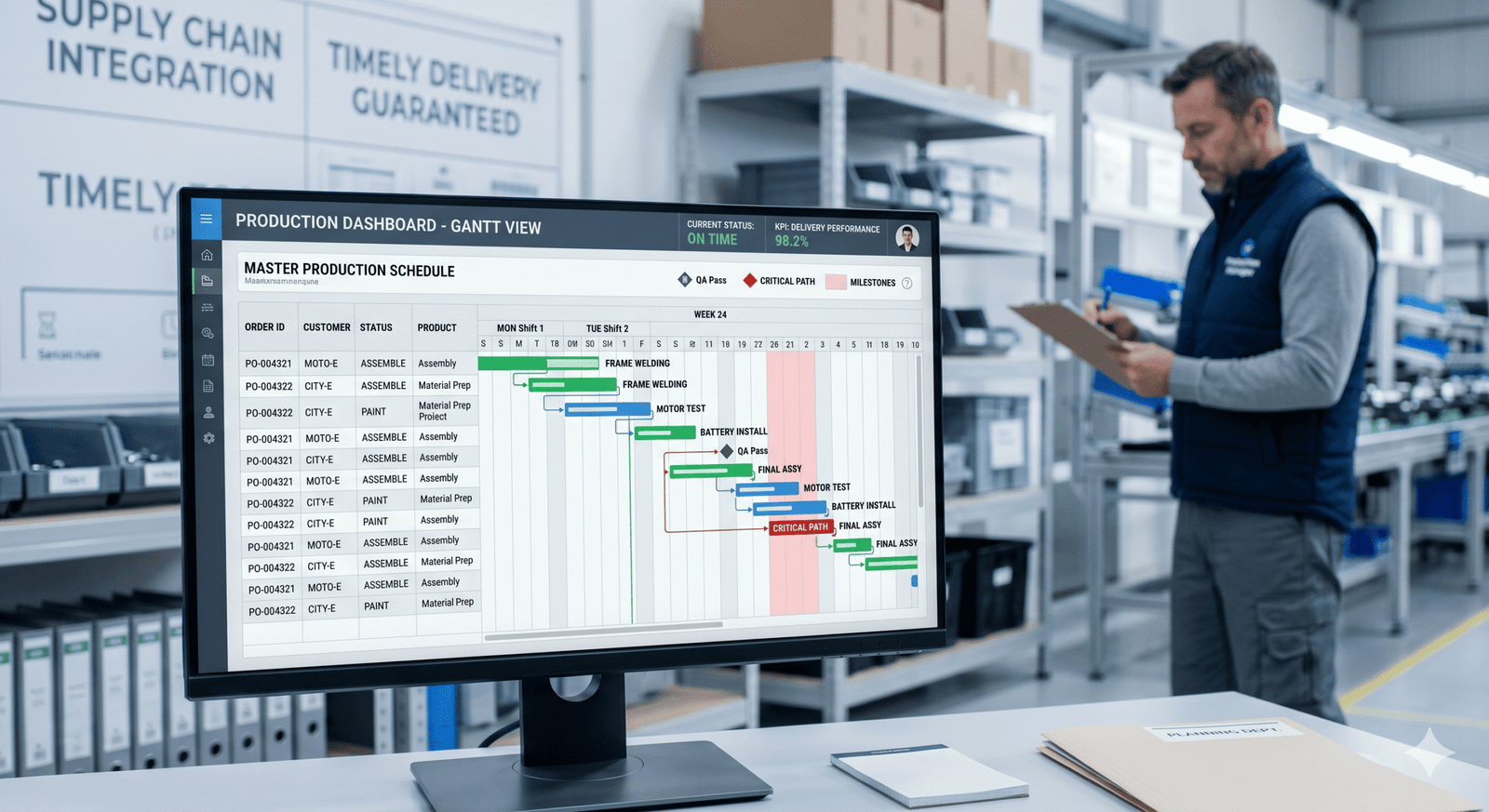
"What is your lead time?" is the wrong question. A factory can give you an optimistic lead time to win your business. A better question is, "What are the main causes of production delays for you, and how do you manage them?" This forces them to be honest about risks. In today's market, supply chain disruptions are common10. I've seen factories promise a 60-day lead time, but they failed to mention that the specific controller you chose has a 90-day lead time from its sub-supplier. The project was late before it even began. A transparent partner will talk about these risks. Ask them about their relationship with key component suppliers like Shimano, Bafang, or Samsung. Do they have multiple sources for common parts? How do they buffer against shipping delays? A factory that can articulate its supply chain strategy is one that is actively managing risk, not just hoping for the best.
What Does a Successful Long-Term Partnership Look Like to You?
You've covered the technical details, costs, and processes. Now you need to know if your business philosophies align. Is this a transactional relationship or a real partnership?
Ask them to describe their ideal customer and a successful long-term partnership. Their answer will reveal if they value collaboration, growth, and mutual success, or if they are simply focused on processing purchase orders as quickly as possible.
This final question is less about technical specs and more about culture fit. After you’ve grilled them on the details, stepping back and asking this open-ended question can be very revealing. We had a potential client ask us this once, and it changed the tone of the entire conversation. It allowed us to talk about how we’ve helped other brands grow from ordering 300 bikes to 3,000 bikes. We described how we provide feedback on new designs to make them more manufacturable and cost-effective. A factory focused only on transactions will give a generic answer like, "A successful partner pays on time and orders a lot." A true partner will talk about communication, joint problem-solving, and growing together. They will see your brand's success as their success. This is the kind of partner you want to build your business with.
Conclusion
Choosing the right OEM is about digging deeper. These ten questions will help you move beyond price and find a partner truly capable of building your vision and growing with you.
"Electric bicycle - Wikipedia", https://en.wikipedia.org/wiki/Electric_bicycle. The modern eBike manufacturing industry began significant commercial expansion in the mid-2000s, with China emerging as the dominant production center by 2010, establishing the context for long-term industry experience. Evidence role: historical_context; source type: other. Supports: the timeframe of eBike industry development. Scope note: Provides industry context but does not verify individual credentials ↩
"OEM vs ODM: Manufacturing Key Differences", https://cc-techgroup.com/oem-vs-odm/. Research on contract manufacturing relationships indicates that misalignment between buyer expectations and supplier capabilities is a leading cause of project delays and failures, particularly for companies new to outsourced manufacturing. Evidence role: statistic; source type: research. Supports: the prevalence of partnership failures due to misaligned manufacturing capabilities. Scope note: Studies typically examine broader capability mismatches rather than specifically the OEM/ODM distinction ↩
"FOB (shipping) - Wikipedia", https://en.wikipedia.org/wiki/FOB_(shipping). Free on Board (FOB) is an Incoterm defined by the International Chamber of Commerce indicating that the seller delivers goods on board a vessel at a named port, with the buyer assuming costs and risks from that point forward, making it a standard reference point for international manufacturing price quotes. Evidence role: definition; source type: institution. Supports: the definition of FOB pricing terms. ↩
"Driving Cost Value in Your Supply Chain - Purdue MEP", https://mep.purdue.edu/news-folder/driving-cost-value-in-your-supply-chain/. Supply chain management research consistently demonstrates that lowest-price supplier selection often results in higher total cost of ownership due to quality issues, with studies showing that price-focused sourcing decisions correlate with increased defect rates and service failures. Evidence role: expert_consensus; source type: research. Supports: the relationship between supplier pricing and quality outcomes. ↩
"Quality management system - Wikipedia", https://en.wikipedia.org/wiki/Quality_management_system. ISO 9001 certification involves initial assessment audits followed by periodic surveillance audits (typically annually) and recertification every three years, meaning certificates represent verification of compliance at specific intervals rather than continuous real-time monitoring. Evidence role: mechanism; source type: institution. Supports: the temporal nature of certification audits. ↩
"Incoming Quality Control (IQC) - Knowledge Base - NexPCB", https://knowledgebase.nexpcb.com/articles/incoming-quality-control-iqc//. Incoming Quality Control (IQC) is a quality management process that involves inspection and testing of raw materials, components, and sub-assemblies upon receipt from suppliers, serving as the first line of defense against defects entering the production process. Evidence role: definition; source type: education. Supports: the definition and role of incoming quality control. ↩
"Engineering change order - Wikipedia", https://en.wikipedia.org/wiki/Engineering_change_order. An Engineering Change Order (ECO) is a formal document used in manufacturing and product development to propose, review, approve, and implement changes to product designs, specifications, or processes, providing a controlled mechanism to manage modifications while maintaining traceability and preventing errors. Evidence role: definition; source type: education. Supports: the definition and purpose of Engineering Change Orders. ↩
"China - Protecting Intellectual Property", https://www.trade.gov/country-commercial-guides/china-protecting-intellectual-property. Legal experts specializing in China business law recommend NNN agreements over standard NDAs because they explicitly address non-use and non-circumvention in addition to non-disclosure, and are drafted to be enforceable under Chinese law rather than relying on foreign legal frameworks. Evidence role: expert_consensus; source type: education. Supports: the relative effectiveness of NNN agreements in Chinese legal contexts. Scope note: Based on legal practitioner consensus rather than empirical enforcement data ↩
"Enterprise resource planning - Wikipedia", https://en.wikipedia.org/wiki/Enterprise_resource_planning. Enterprise Resource Planning (ERP) systems are integrated software platforms that manage core business processes including production planning, inventory management, and supply chain operations, enabling manufacturers to coordinate activities across departments and optimize resource allocation. Evidence role: definition; source type: encyclopedia. Supports: the nature and function of ERP systems. ↩
"Supply chain disruptions and resilience: a major review and future ...", https://pmc.ncbi.nlm.nih.gov/articles/PMC7792559/. Supply chain research indicates that manufacturers experience significant supply chain disruptions on average every 3.7 years, with minor disruptions occurring much more frequently, and disruption frequency has increased in recent years due to globalization complexity and external shocks. Evidence role: statistic; source type: research. Supports: the frequency of supply chain disruptions. Scope note: General manufacturing data that may not reflect eBike-specific supply chain characteristics ↩