
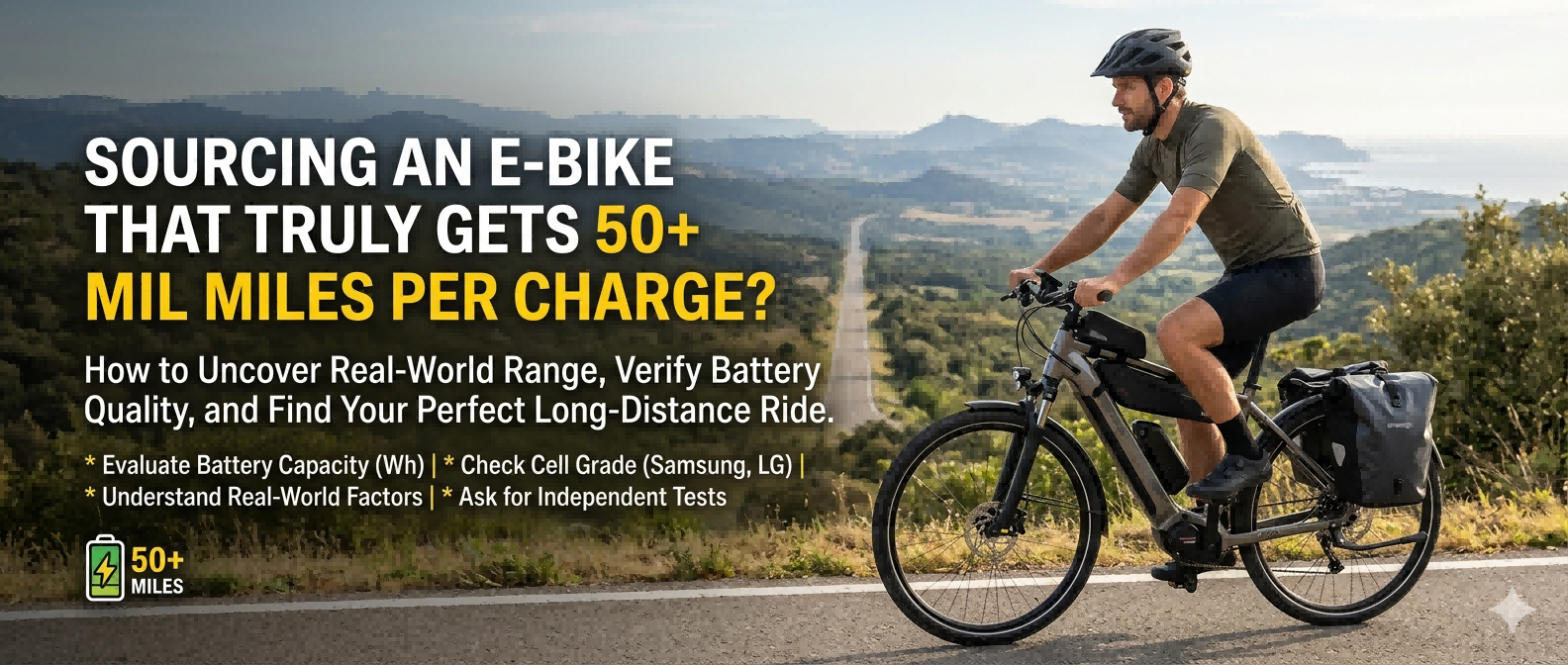
You see suppliers promising "50+ miles," but worry your customers will complain it falls short. This mismatch damages your brand. The key isn't a magic number, but asking the right questions.
To source an e-bike that reliably achieves a long range, you must shift your focus from the advertised "miles" to the battery's Watt-hours (Wh)1. A supplier's range claim is a marketing number. Real-world performance depends on your specific customer's use case, including rider weight, terrain, and assist level2.
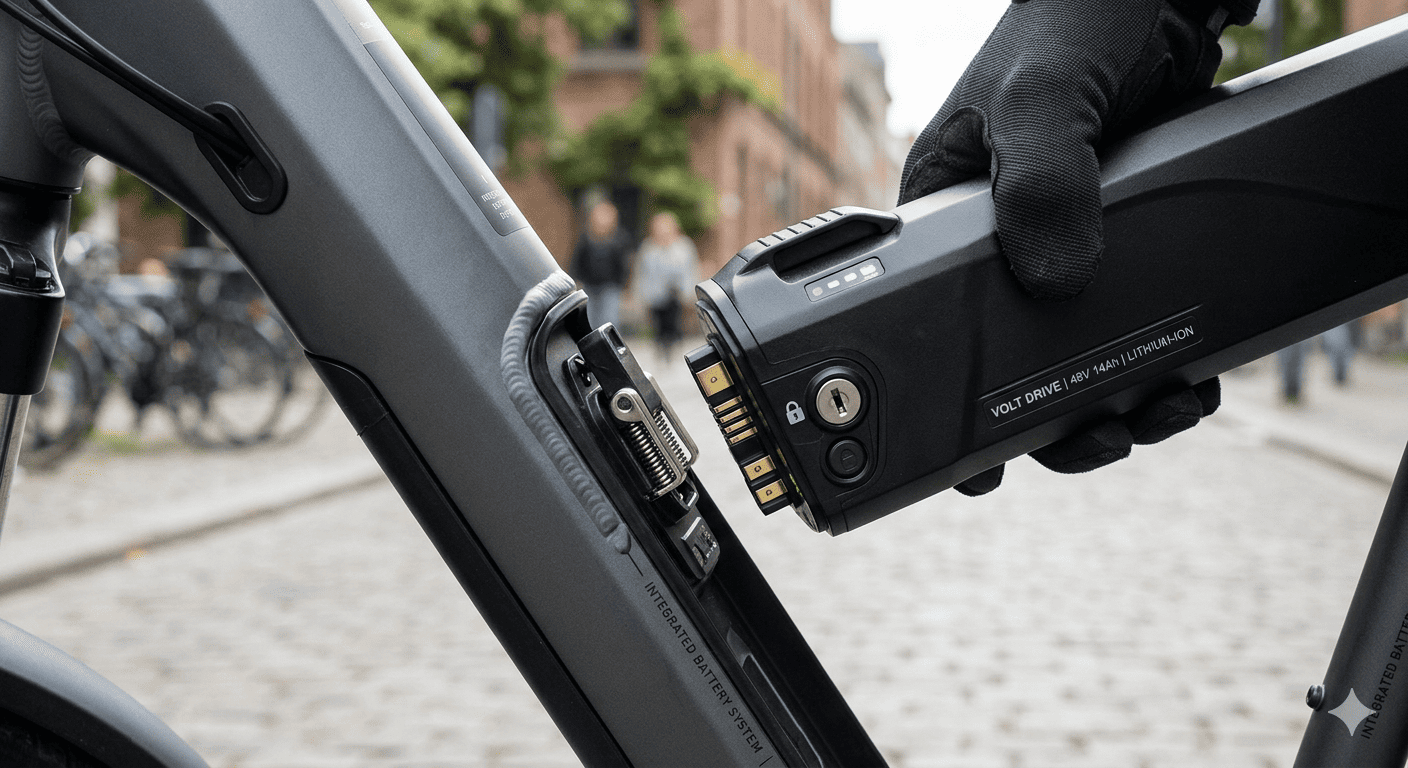
It's frustrating to see impressive range numbers on spec sheets. You know from experience that these figures can be too good to be true. This gap between the datasheet and reality is a common point of friction in our industry. In my 15 years of handling OEM consultations, I've seen this exact issue cause major disputes between buyers and suppliers. Let’s look past the marketing. We need to break down what these numbers really mean. This will help you make smarter procurement decisions that protect your brand and satisfy your customers.
Why is a Supplier's '50+ Mile Range' Claim So Unreliable?
You're comparing spec sheets, and one supplier's range looks much better. Trusting that number could lock you into an order that underdelivers. Let's break down how that number is calculated.
A supplier's rated range is usually tested under perfect, unrealistic conditions. This often means a very light rider on flat ground, with no wind, using the lowest power-assist level3. This "best-case" scenario rarely matches your customers' actual riding experience, creating a significant performance gap.
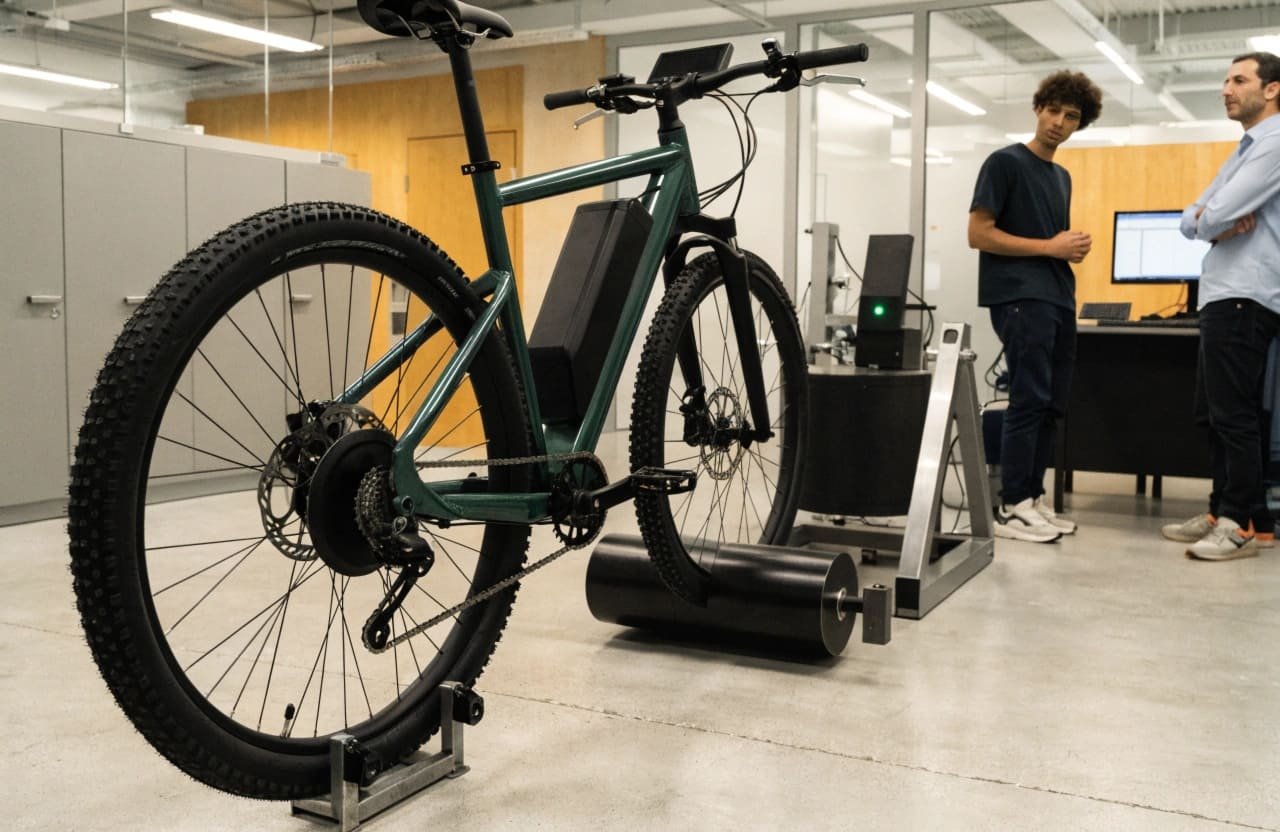
In our OEM consultations, buyers often bring us spec sheets with fantastic range claims. The first thing we do is explain how those numbers are generated. There is no single, industry-wide standard for range testing4. One factory's "50 miles" is not the same as another's. The test is designed to produce the biggest number possible for the marketing department, not to give you a reliable spec for procurement. A common pattern we see is that the test parameters are hidden. They don't tell you that the test rider weighed 60kg (132 lbs) or that the bike was kept in "Eco" mode the entire time. When your customer, who might weigh 90kg (200 lbs) and use a higher assist level to climb a hill, gets only 25 miles, they blame your brand.
Here is a simple breakdown we use to show clients the difference.
| Factor | Lab Test Assumption | Real-World Reality |
|---|---|---|
| Rider Weight5 | 60-70 kg (132-154 lbs) | Often 80-100+ kg (176-220+ lbs) |
| Terrain | Perfectly flat ground | Hills, varied gradients, stop-start traffic |
| PAS Level | Lowest setting (Eco Mode) | Medium to high settings for speed/hills |
| Weather | 25°C (77°F), no wind | Colder temps, headwinds, rain |
What's a More Honest Way to Compare E-bike Battery Capacity?
Suppliers list batteries in Amp-hours (Ah), making comparisons seem easy. But a 13Ah battery can have less range than another 13Ah battery. The secret is to look at Watt-hours (Wh).
Always compare batteries using Watt-hours (Wh), not just Amp-hours (Ah). Wh is calculated by multiplying Volts (V) by Ah6. This single number reveals the total energy capacity, offering a much more accurate way to compare the potential range of different e-bike systems across suppliers.
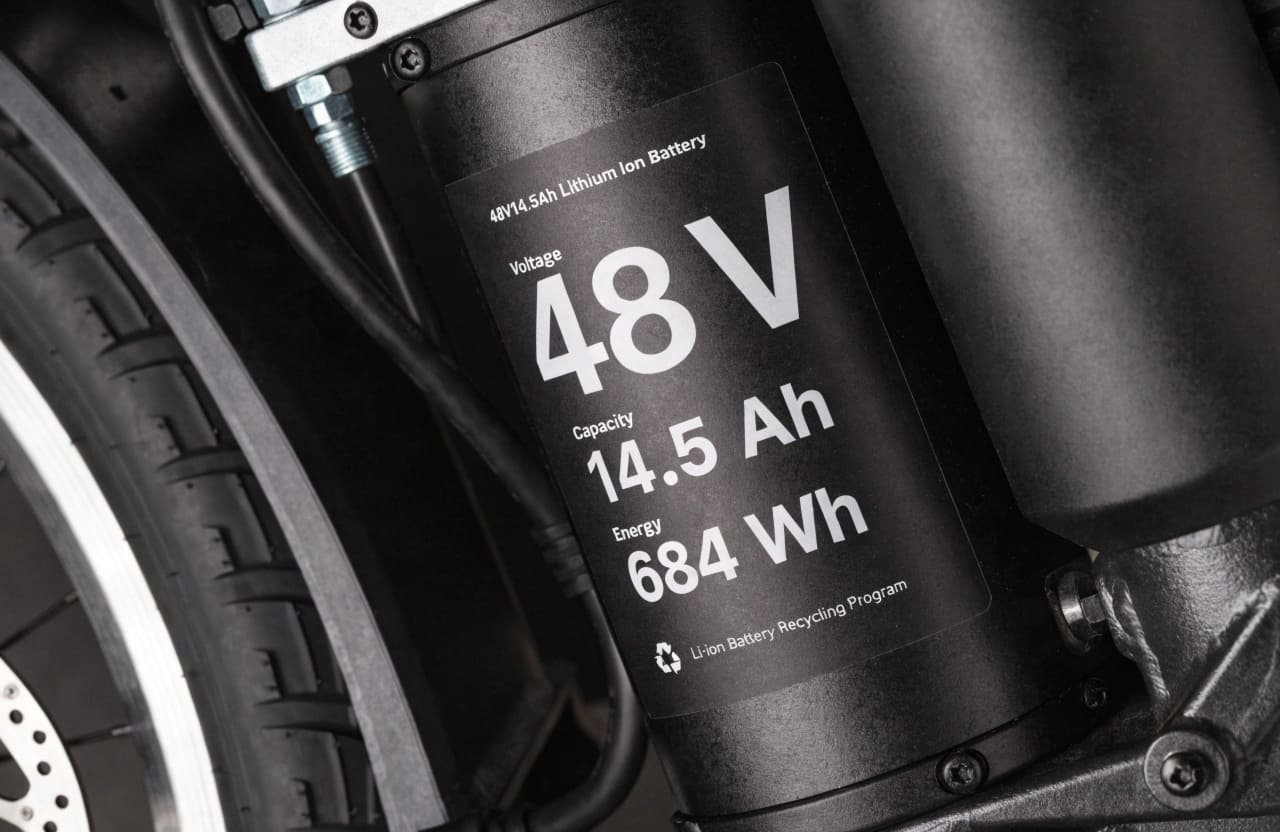
When we walk clients through battery selection, this is the most important concept we teach. Thinking in Amp-hours alone is misleading. It's only half of the equation. The system's voltage is just as critical. For example, a buyer might compare two options:
- Supplier A: 48V system with a 13Ah battery
- Supplier B: 36V system with a 15Ah battery
At first glance, Supplier B's 15Ah battery seems bigger. But let's calculate the Watt-hours.
- Supplier A: 48V x 13Ah = 624Wh
- Supplier B: 36V x 15Ah = 540Wh
Supplier A's battery actually holds over 15% more energy7, which translates directly to more potential range. This is why we insist our clients specify and compare using Wh. It cuts through the confusion. Furthermore, during sourcing discussions, we also advise looking at the cell quality. A battery using cells from a major brand like Samsung, LG, or Panasonic will perform better and last longer than one with generic, unbranded cells, even if they have the same Wh rating. The Battery Management System (BMS) quality also matters for efficiency and safety8.
How Do I Calculate the Real Range My Customers Will Get?
You need to promise a realistic range, but there are so many variables. Getting it wrong leads to dissatisfied customers. Think of it as a "range budget" based on your target market.
You can't calculate one perfect number. Instead, consider the key variables that drain the battery: rider weight, terrain, assist level, temperature, and total payload. By defining these for your target customer, you can specify a battery that meets their realistic needs and avoid complaints.
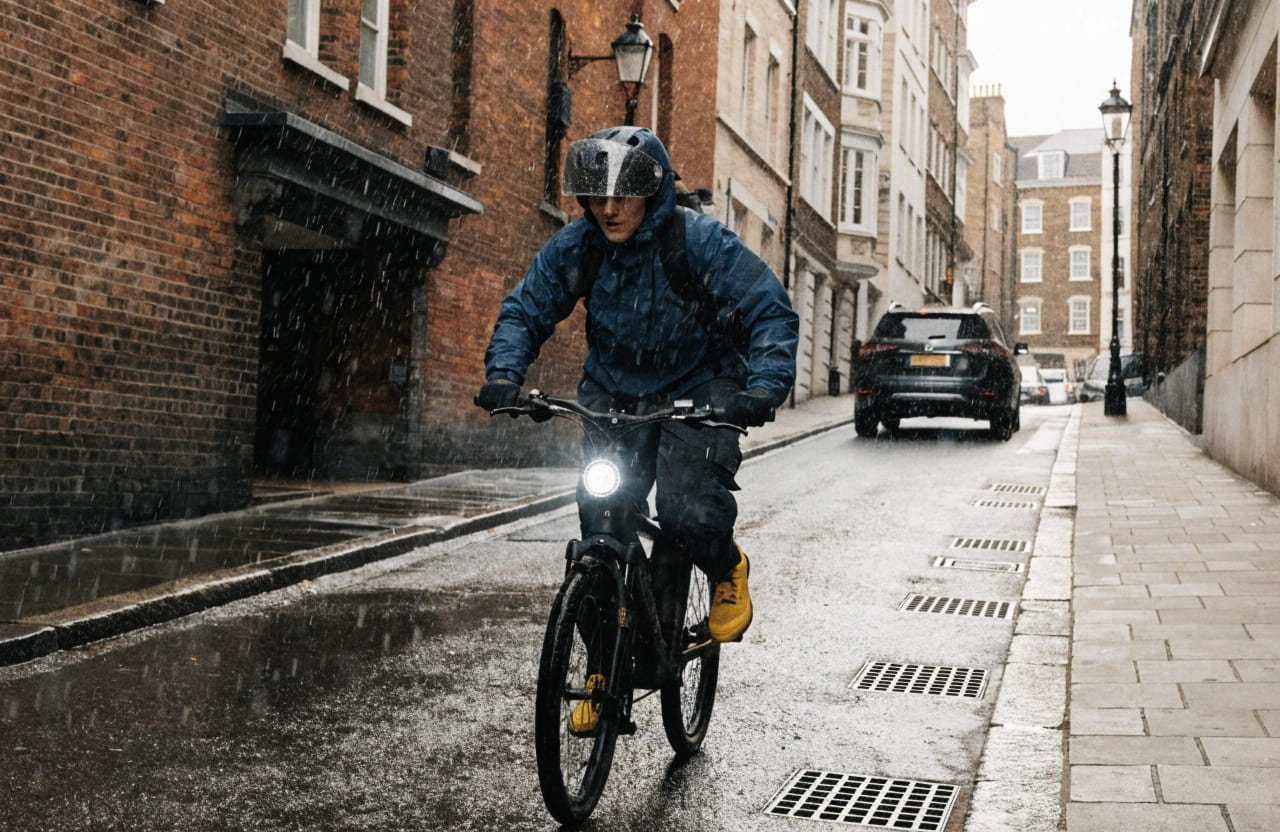
We tell our clients to stop chasing a single mileage number. Instead, we help them build a profile of their end-user. This is the only way to choose the right battery configuration. All of the factors that affect range are cumulative; they stack on top of each other to drain the battery faster. A heavy rider going up a hill in cold weather is facing three major drains on their "range budget." This is why a bike marketed with a "50-mile range" might only deliver 20 miles under these demanding conditions. Understanding this is crucial for managing your customers' expectations. During pre-sales consultations, we use a table like this to help buyers think through their specific needs.
| Variable | High Impact on Range | What to Consider for Your Market |
|---|---|---|
| Rider Weight & Payload | Heavier riders drain the battery much faster. | What is the average weight of your target customer? Will they carry cargo? |
| Terrain/Gradient | Hills are the biggest range killer9. | Is your target market a flat city or a hilly region? |
| PAS Level Usage | High-assist modes can use 3-4x more power10. | Do your customers want speed (high PAS) or exercise (low PAS)? |
| Temperature | Cold weather can reduce battery capacity by 20%+11. | Will the bikes be sold in regions with cold winters? |
| Tire Pressure/Type | Low pressure or knobby tires increase rolling resistance12. | Are you selling commuter bikes or off-road models? |
What Questions Should I Ask a Supplier to Verify Their Range Claims?
You have a supplier's spec sheet with a great range claim. But you are hesitant to trust it. Asking a few specific questions can quickly reveal how reliable their numbers really are.
To pressure-test a supplier's range claim, ask for the battery's Watt-hours (Wh). Then, ask for the test conditions: What was the rider's weight? What power-assist level was used? Was the test on flat ground? A professional supplier will have this data ready.

From my position on the supply side, I can tell you that how a potential partner answers these questions is very revealing. A confident, experienced manufacturer will appreciate that you are an informed buyer. They will have the test data and be happy to share it. If a supplier gets defensive, says "it's complicated," or cannot provide the basic parameters of their range test, it is a major red flag. It tells you their number is just marketing. It means they either haven't done proper testing or they are intentionally hiding the unrealistic conditions they used.
When we help clients evaluate new suppliers, we give them this simple checklist. It's designed to be straightforward and non-confrontational, but the answers will tell you everything you need to know.
Supplier Vetting Checklist:
- What is the battery's capacity in Watt-hours (Wh)?
- At what Power Assist Level (PAS) was your range test conducted?
- What was the rider's weight in the test?
- Was the test performed on flat ground or a dynamometer?
- What brand of battery cells are you using for this model?
A supplier who can answer these questions is one you can begin to trust.
Conclusion
Stop chasing an advertised mileage number. The key to successful e-bike procurement is to specify the battery in Watt-hours based on your customer's real-world use case.
"[PDF] CLASS 18: BATTERIES", https://web.engr.oregonstate.edu/~webbky/ENGR102_files/Class_18_Batteries.pdf. A technical source defining watt-hours as a unit of energy can support the use of Wh as the relevant measure of battery energy capacity in e-bike range comparisons. Evidence role: definition; source type: education. Supports: E-bike range comparison should focus on battery Watt-hours because Wh expresses stored energy capacity.. Scope note: This supports the measurement principle, not the exact range any specific e-bike will achieve. ↩
"Systematic review and meta‐analysis evaluating the effects electric ...", https://pmc.ncbi.nlm.nih.gov/articles/PMC9546252/. Research on e-bike energy consumption identifies rider mass, road grade or terrain, and assistance level as variables affecting electrical energy use, providing technical context for why advertised range varies in practice. Evidence role: mechanism; source type: paper. Supports: Real-world e-bike performance depends on rider weight, terrain, and assist level.. Scope note: The magnitude of each factor varies by bicycle design, motor control system, speed, and test protocol. ↩
"How Far Does an E-Bike Actually Go? Real-World Range Test ...", https://tstebike.com/blogs/hot/how-far-does-an-e-bike-actually-go-real-world-range-test-results-vs-manufacturer-claims?srsltid=AfmBOoqrAneKhDbwLVfi4rWlO3TIM3zBj2cHC60EOM3qeKp588FVVyew. A published e-bike range test protocol or laboratory study can show that controlled range measurements often specify rider mass or simulated load, flat terrain or dynamometer conditions, wind assumptions, and assistance level. Evidence role: case_reference; source type: research. Supports: Rated e-bike ranges are often derived under controlled, favorable conditions such as low load, flat terrain, no wind, and low assist.. Scope note: Such a source would demonstrate common controlled-test parameters, not prove that every supplier uses the most favorable settings. ↩
"[PDF] Summary of Electric and Non- Powered Bicycle Standards", https://www.cpsc.gov/s3fs-public/Electric-and-Non-Powered-Bicycle-Standards-Summary-Report.pdf?VersionId=rZGs9tSONCKqT8AEaJJMZd_S1nDJpKEW. An industry or standards source discussing e-bike testing procedures can contextualize the absence or variability of universally adopted consumer range-test methods across markets. Evidence role: historical_context; source type: institution. Supports: There is no single universally applied industry-wide standard for e-bike range testing.. Scope note: There may be regional standards or voluntary protocols, so the source should be used to support variability rather than an absolute absence of all testing standards. ↩
"Systematic review and meta‐analysis evaluating the effects electric ...", https://pmc.ncbi.nlm.nih.gov/articles/PMC9546252/. Vehicle dynamics and cycling power models show that greater system mass increases the power required for acceleration and climbing, which supports the claim that heavier riders can reduce e-bike range. Evidence role: mechanism; source type: education. Supports: Higher rider weight or payload can increase energy consumption and reduce e-bike range.. Scope note: On perfectly flat steady rides at constant speed, aerodynamic drag may dominate, so rider weight is most important during climbs and stop-start riding. ↩
"[PDF] Electricity Basics", https://web.pdx.edu/~rueterj/courses/ESM342-solar/WK3-GE-MC1-ElectricityBasics.pdf. Electrical engineering references define energy in watt-hours as voltage multiplied by ampere-hours for a battery, supporting the calculation used to compare battery capacities. Evidence role: definition; source type: education. Supports: Battery Watt-hours are calculated as volts multiplied by amp-hours.. Scope note: For real batteries, nominal voltage is an approximation across the discharge curve, so calculated Wh may differ from measured usable energy. ↩
"Watt Hours vs Amp Hours: Calculator & Conversion Chart ...", https://www.evlithium.com/Blog/understanding-watt-hours-vs-amp-hours-guide.html. The arithmetic comparison of 624 Wh and 540 Wh shows that the 48 V, 13 Ah battery has approximately 15.6% more nominal energy than the 36 V, 15 Ah battery. Evidence role: general_support; source type: education. Supports: A 48V 13Ah battery has over 15% more nominal energy than a 36V 15Ah battery.. Scope note: This supports nominal stored energy only; usable energy may differ because of cell chemistry, discharge limits, and BMS settings. ↩
"Recent Progress in Lithium-Ion Battery Safety Monitoring Based on ...", https://pmc.ncbi.nlm.nih.gov/articles/PMC10305618/. Battery safety literature describes BMS functions such as cell monitoring, balancing, overcharge protection, and thermal management, supporting the claim that BMS design affects safe and efficient battery operation. Evidence role: mechanism; source type: paper. Supports: BMS quality affects battery safety and operational efficiency.. Scope note: The source can support the importance of BMS functions generally, but it will not evaluate the quality of any specific e-bike supplier's BMS. ↩
"[PDF] Electric Bicycle (E-bike) Trends, Impacts, and Opportunities - ROSA P", https://rosap.ntl.bts.gov/view/dot/86828/dot_86828_DS1.pdf. Cycling power equations and e-bike energy-consumption studies show that climbing grades add gravitational power demand proportional to mass, explaining why hilly routes substantially increase battery use. Evidence role: mechanism; source type: paper. Supports: Hills or gradients greatly increase e-bike energy consumption and reduce range.. Scope note: The phrase 'biggest' is context-dependent; the source can support hills as a major factor, not necessarily the dominant factor in every route. ↩
"SUPPORT vs POWER settings in Eco, Trail and Turbo modes", https://forums.electricbikereview.com/threads/support-vs-power-settings-in-eco-trail-and-turbo-modes.53815/. Measurements of e-bike assistance modes or motor power output can support that higher assist settings substantially increase electrical power draw compared with low-assist modes. Evidence role: statistic; source type: paper. Supports: High-assist e-bike modes can consume several times more power than low-assist modes.. Scope note: The exact 3–4x multiplier depends on controller tuning, motor rating, speed, and rider input, so a source may support an approximate range rather than a universal value. ↩
"Lithium-Ion Batteries under Low-Temperature Environment", https://pmc.ncbi.nlm.nih.gov/articles/PMC9698970/. Lithium-ion battery performance studies show that low temperatures reduce available capacity and increase internal resistance, supporting the claim that cold weather can materially reduce e-bike battery range. Evidence role: mechanism; source type: paper. Supports: Cold weather can reduce lithium-ion battery capacity by 20% or more under some conditions.. Scope note: The exact percentage loss depends on cell chemistry, discharge rate, battery age, and temperature; 20% should be treated as an illustrative threshold unless directly measured for the same cells. ↩
"Tires and Pressure: new research and what it means", https://www.renehersecycles.com/tires-and-pressure-new-research-and-what-it-means/?srsltid=AfmBOopJ60jrLgpIMUYQH2GM5AsAlibkT3b4Atf-HCIbYWSrXFY0QBAW. Bicycle rolling-resistance research explains that tire pressure and tread design affect rolling losses, supporting the claim that underinflated or aggressive tires can increase energy demand. Evidence role: mechanism; source type: paper. Supports: Low tire pressure and knobby tire designs can increase rolling resistance and reduce e-bike range.. Scope note: Rolling resistance also depends on tire casing, surface, load, and speed, so the effect is not determined by pressure or tread alone. ↩