
Sourcing mobility products for your clients is complex, especially with the growing demand for travel-friendly options. Choosing the wrong model leads to unhappy end-users, logistical nightmares with returns, and damage to your business's reputation. Understanding the key evaluation criteria for a folding electric wheelchair is the first step to making a profitable and reliable procurement decision.
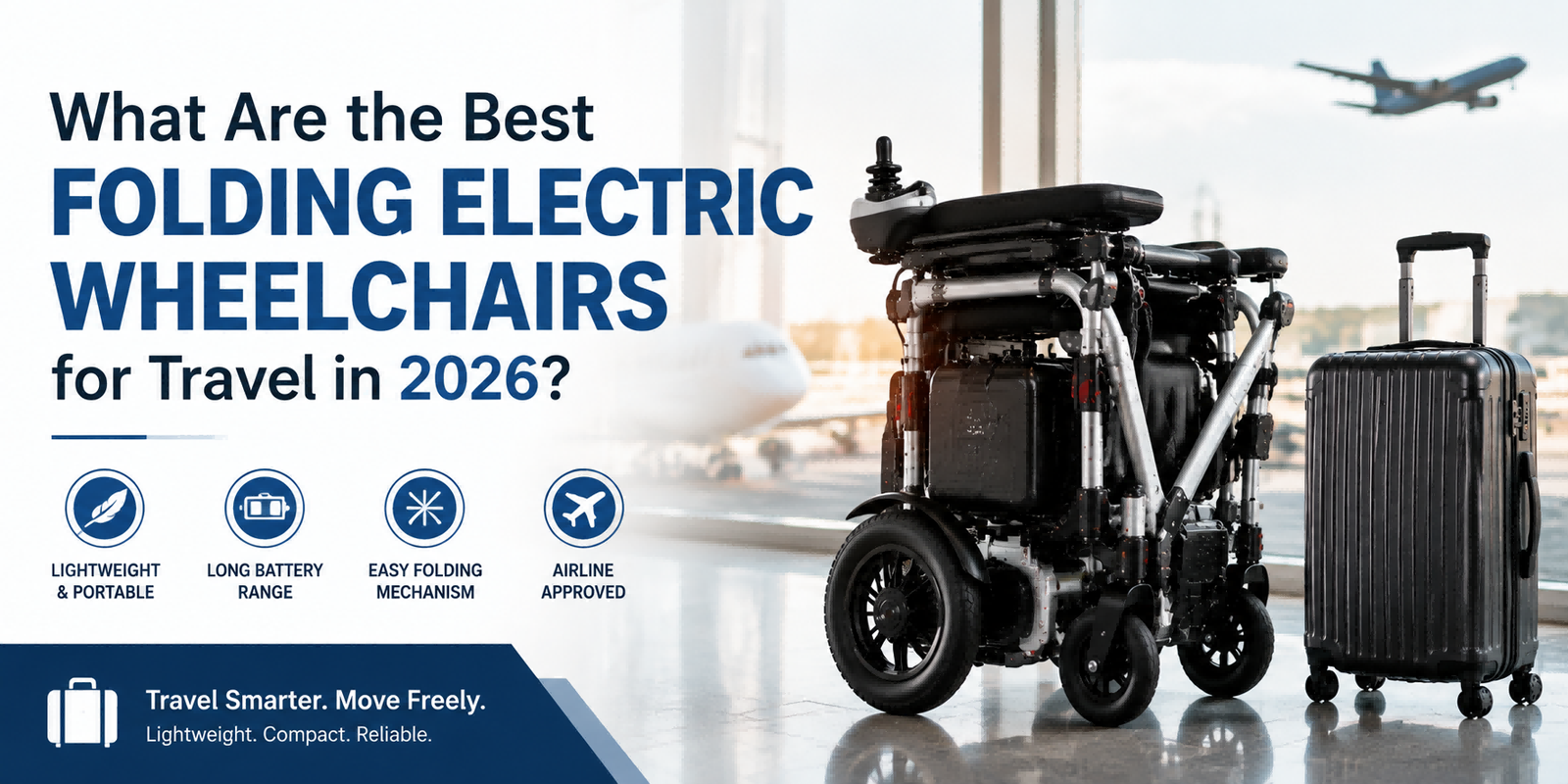
The best folding electric wheelchair for travel in 2026 isn't a single model but one that optimally balances four key factors: a lightweight, airline-approved frame1; a battery system offering sufficient real-world range; a simple, quick-folding mechanism; and the backing of a supplier with robust quality control and after-sales support.
Now that we've defined the ideal profile, how do you evaluate these factors in the real world of B2B procurement? As someone who works directly with purchasing managers every day, I want to break down the common pitfalls and key decision points to help you source with confidence.
Beyond the Spec Sheet: How Important is the Actual Weight of a Folding Electric Wheelchair?
A spec sheet might list a low weight, but your customers complain the chair is still too heavy to lift into a car. This discrepancy can lead to returns and dissatisfied clients who feel misled by the numbers. The solution is to look beyond the marketing and understand the practical weight metrics that matter to the end-user.
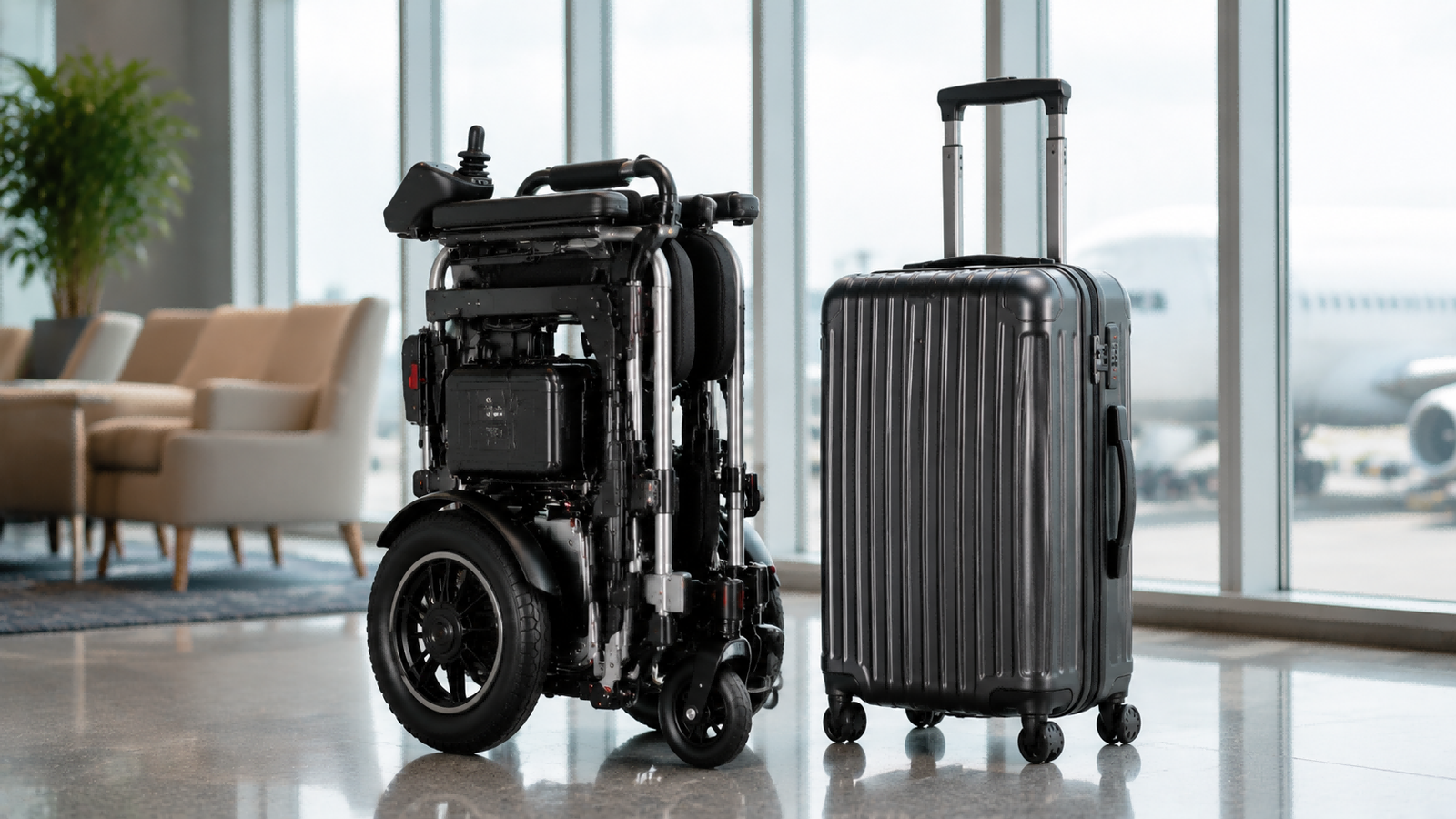
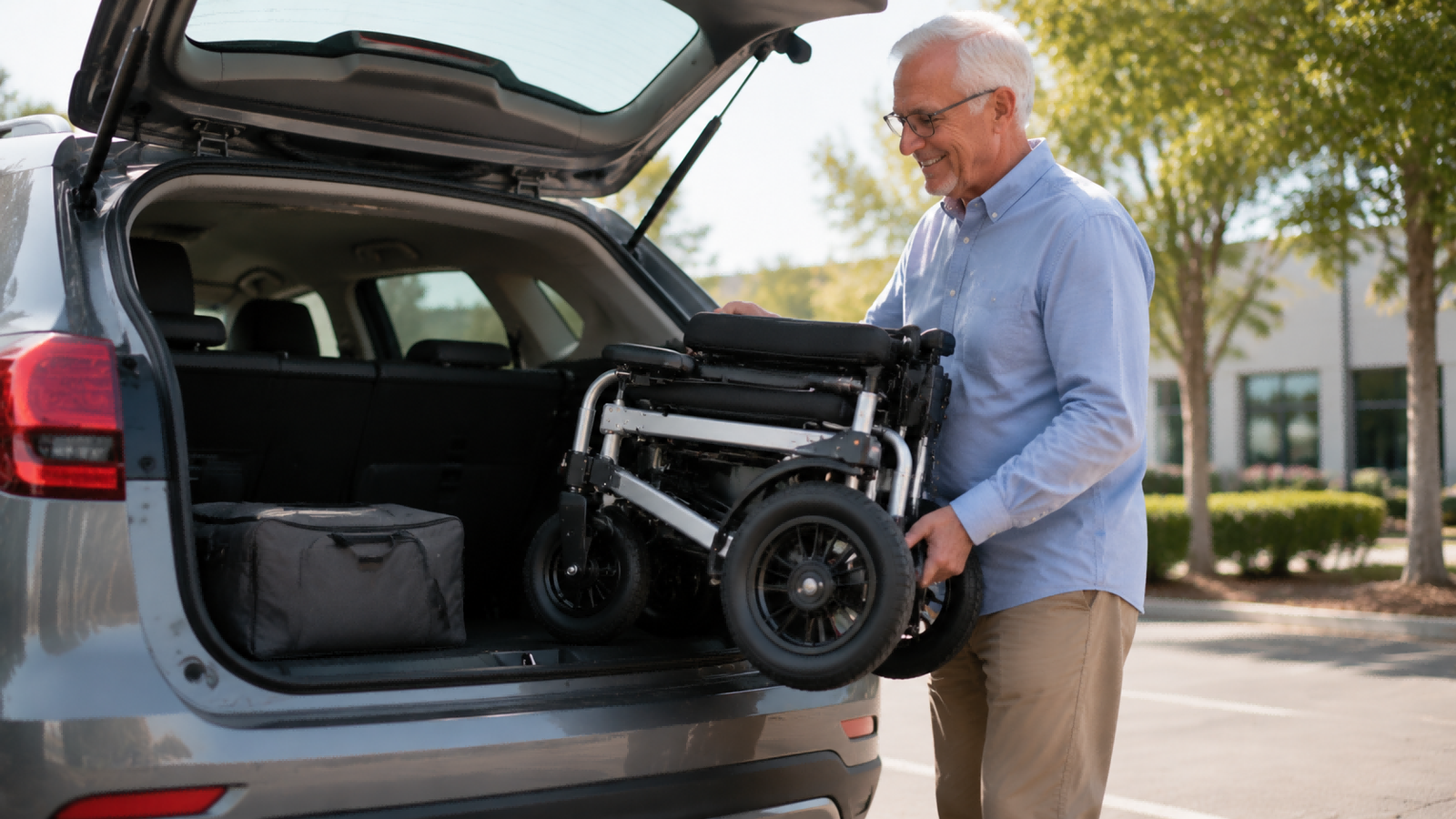
The actual weight is critically important, but you must differentiate between the total operating weight (with batteries) and the transport weight (the heaviest single piece). For travel, the transport weight is the more practical and honest number2 for end-users who will be lifting the chair daily.
Dive Deeper: The Weight Game in Procurement
In my experience, weight is one of the most misunderstood specs. A supplier might boast a "superlight" 25 kg chair, but fail to mention that this includes a 5 kg battery. For an end-user, lifting 25 kg is very different from lifting 20 kg.
H3: Total Weight vs. Transport Weight
This is the most important distinction a buyer can make.
- Total Weight: The weight of the entire wheelchair, fully assembled with the battery or batteries installed. This is the number most often advertised.
- Transport Weight: The weight of the heaviest single part of the wheelchair when it is disassembled for transport. For many folding electric wheelchair models, the battery is removable.
Let's look at an example I encountered with a buyer from Australia. His customers, primarily seniors, were finding a 28 kg chair too cumbersome. We analyzed his needs and sourced a different model. It was only slightly lighter at 26 kg total, but its key feature was that the frame could split into two 13 kg sections. This small change in product selection dramatically improved his customer satisfaction because the "felt weight" during lifting was cut in half. This is the kind of practical detail that doesn't show up on a simple spec sheet.
H3: Materials Matter: Aluminum vs. Carbon Fiber3
The frame material is the primary determinant of weight and cost. As a buyer, you're balancing these two factors.
| Material | Typical Weight Range (Total) | Pros | Cons | Best for Your Business |
|---|---|---|---|---|
| Aluminum Alloy | 23-30 kg (50-66 lbs) | Cost-effective, durable, easy to manufacture | Heavier than carbon fiber | Ideal for the mid-range market, offering the best balance of quality and price. |
| Carbon Fiber | 15-22 kg (33-48 lbs) | Extremely lightweight, strong, premium feel | Significantly more expensive, can be more brittle on sharp impact | Targets a niche, high-end market where low weight is the absolute priority and price is less of a concern. |
For most international purchasers aiming for the broad middle market, a well-constructed aluminum alloy frame is the most strategic choice. It provides the durability and reliability end-users need at a price point that supports a healthy business margin.
How Do You Verify the Real-World Range of a Folding Electric Wheelchair?
A supplier promises a 20 km range, but your customers report the battery dies after only 12 km. This is a common and frustrating issue that erodes trust in both the product and your business. Understanding what truly influences battery range helps you ask the right questions during procurement and avoid these costly discrepancies.
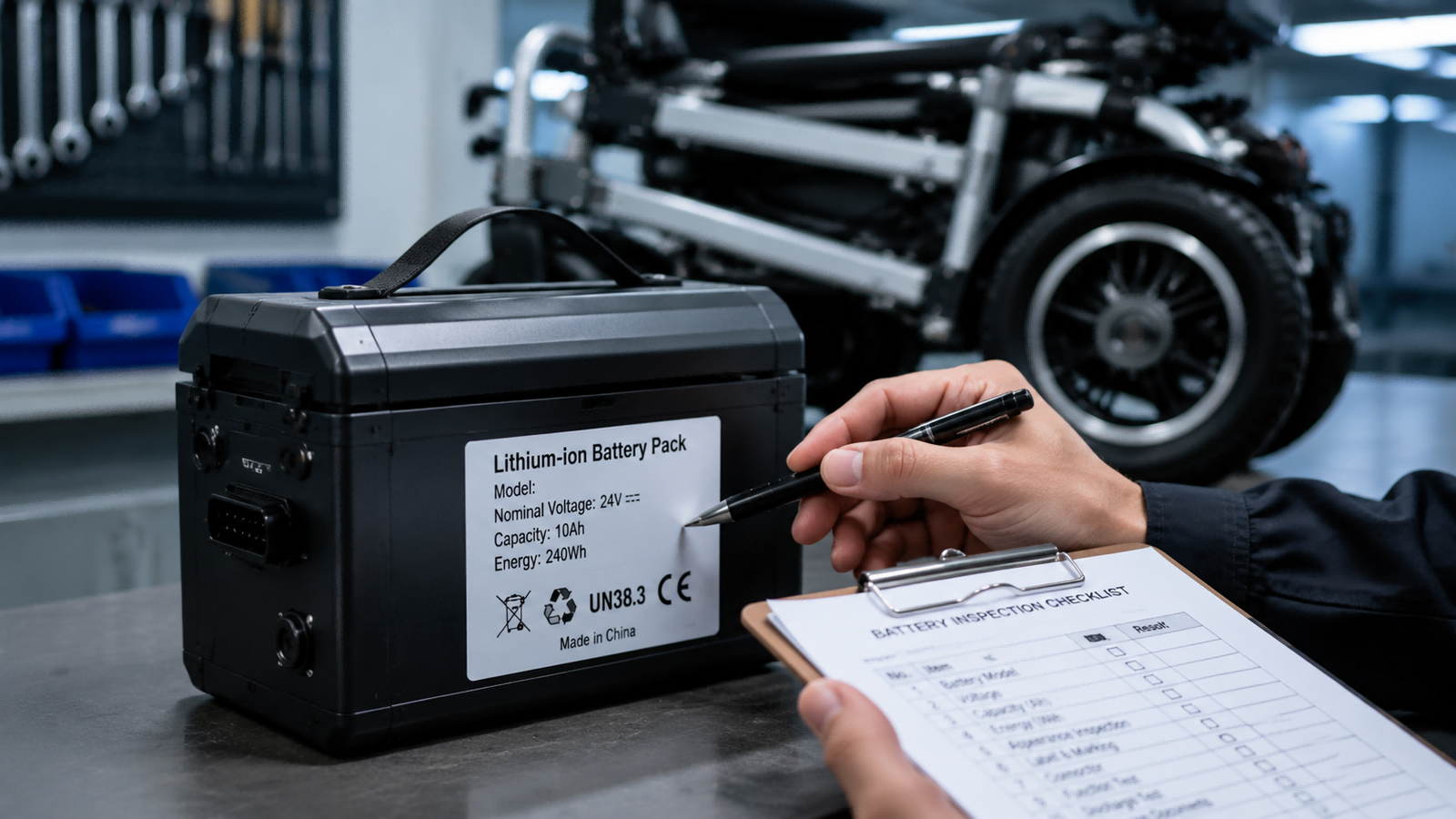
You verify real-world range by looking beyond the advertised "max range." Consider the battery's Watt-hour (Wh) rating, the expected user's weight, the likely terrain, and whether the supplier provides transparent test conditions. Always request and verify battery certifications, especially UN38.3 for air travel compliance.
Dive Deeper: Unpacking Battery Performance Claims
The "maximum range" listed on a product page is almost always measured under perfect laboratory conditions: a lightweight user on a perfectly flat, smooth surface at a constant, moderate speed. This is not the real world.
H3: Decoding Battery Specifications for Travel
As a B2B buyer, the most critical battery details relate to energy capacity and air travel regulations.
- Amp-hours (Ah) vs. Watt-hours (Wh): Many specs list Ah, but Wh is the true measure of energy capacity. You can calculate it easily: Voltage (V) x Amp-hours (Ah) = Watt-hours (Wh). A 24V, 10Ah battery has 240Wh of energy.
- Airline Regulations: This is a non-negotiable for any product marketed for travel. The International Air Transport Association (IATA) generally has these rules for lithium-ion batteries:
- Up to 100 Wh: Allowed in carry-on baggage. Most travel chairs use one or two batteries in this range.
- 101 Wh to 160 Wh: Allowed with prior airline approval. A user can typically carry up to two of these.
- Above 160 Wh: Generally forbidden for passenger transport.
When sourcing, you must ensure the batteries not only comply but also have the UN38.3 test report4 to prove it. A supplier who cannot provide this document is a major red flag.
H3: Factors That Drain the Battery Faster
You need to manage your own customers' expectations by understanding these variables:
- User Weight: A 120 kg (265 lb) person will get significantly less range than a 70 kg (155 lb) person.
- Terrain: Constant inclines, grass, gravel, and thick carpet consume much more power than a smooth airport terminal floor.
- Driving Style: Aggressive starts/stops and high speeds drain the battery faster than gentle, consistent driving.
- Temperature: Cold weather can temporarily reduce a lithium battery's effective capacity by 20% or more.5
Instead of asking a supplier "What's the maximum range?", a more professional question is: "Under what specific test conditions (user weight, terrain, average speed) did you achieve the advertised range?" A transparent supplier can answer this. A vague supplier cannot.
Is the Folding Mechanism on All Travel Wheelchairs Easy to Use?
You've seen the marketing video where a folding electric wheelchair magically folds itself with the push of a button. But when your clients receive it, they struggle with complex latches, confusing sequences, and frustrating manuals. An "easy fold" chair that isn't actually easy to fold is a major point of failure and a common source of customer complaints.
No, folding mechanisms vary significantly in design, complexity, and ease of use. They range from fully automatic remote-controlled folds to multi-step manual folds. The "best" mechanism depends entirely on the end-user's physical strength, dexterity, and, of course, the product's price point.
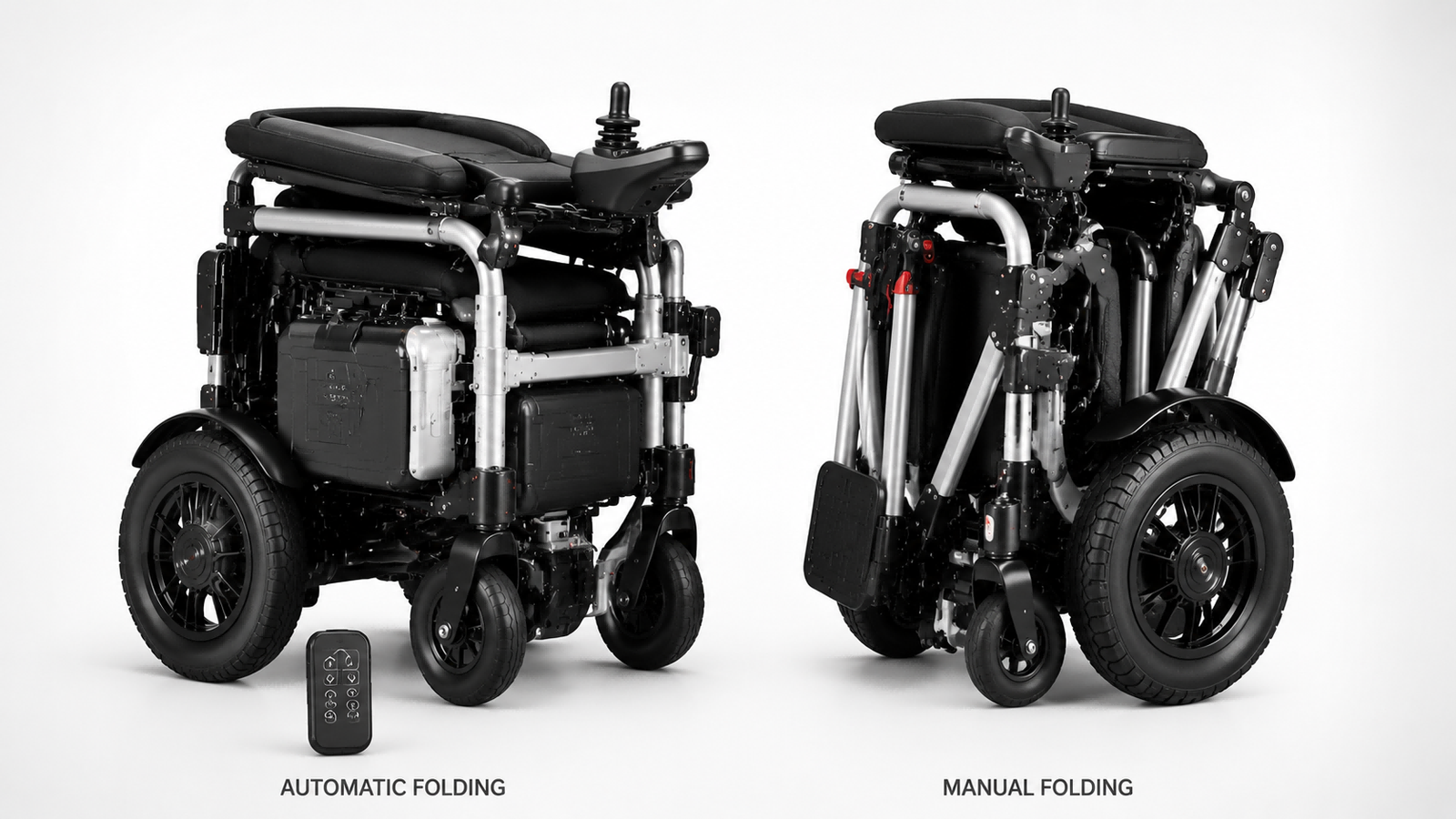
Dive Deeper: Automatic vs. Manual Folding Mechanisms
I recently worked with a purchasing manager from Europe whose target market was older adults living independently. He was initially drawn to automatic folding models, assuming they were superior. However, after reviewing samples, he realized the added weight and complexity were drawbacks for his specific customers.
H3: The Pros and Cons
Here’s a breakdown to guide your sourcing decisions:
-
- How it works: Folds and unfolds via a remote control or a button on the chair.
- Pros: Effortless operation, a "wow" factor, and excellent for users with severe arthritis or limited strength.
- Cons: Higher cost, adds 1-2 kg of weight (motors and electronics), more potential points of failure, and requires a charged battery to function.
-
Manual Folding:
- How it works: Requires the user to perform a physical action, like pulling a lever, releasing a latch, or lifting a seat handle.
- Pros: Lower cost, lighter weight, mechanically simpler and more reliable, does not rely on battery power to fold.
- Cons: Requires some physical strength and dexterity, and there's a small learning curve.
H3: The "One-Step" Folding Myth
Be wary of marketing terms like "one-step" or "one-touch" folding. In my experience, this usually refers to the main collapsing action. It often doesn't include necessary secondary steps like removing the joystick controller, folding the footplate, or securing the storage latch.
The key is to evaluate the entire process from start to finish. A good manual mechanism with two or three intuitive steps is often better than a "one-step" system that is awkward or requires significant force. The client from Europe ultimately chose a manual-fold model with a single, brightly colored lever that was easy to see and use. His customers found this more practical and trustworthy than a remote they might lose or an automatic system that could fail.
When evaluating samples, look for:
- Clear locking indicators that click audibly into place.
- Ergonomic handles and levers that don't require a tight grip.
- A balanced design that doesn't fall over mid-fold.
- No small parts that can be easily lost during travel.
Why is Supplier Service More Important Than Price for a Folding Electric Wheelchair?
You found a supplier with an incredibly low price, saving your company thousands of dollars on the initial order. It feels like a huge win. But six months later, you're dealing with a flood of warranty claims, no available spare parts, and an unresponsive contact person. The initial savings have been erased by the cost of returns, angry customers, and damage to your brand.
Supplier service is critical because a folding electric wheelchair is a complex electromechanical device. Parts wear out and electronics can fail. Strong after-sales support, reliable spare part availability, and robust quality control are not "value-adds"; they are essential components that protect your investment, your brand's reputation, and ensure long-term end-user satisfaction.
Dive Deeper: The True Cost of a "Cheap" Supplier
The purchase price is just one part of the total cost of ownership. From my position at MorethingGO, I’ve seen countless buyers come to us after being burned by a low-cost strategy. The "hidden costs" are very real.
H3: The Hidden Costs of a Bad Supplier Partnership
- Product Returns: A 5% failure rate can wipe out the profit margin from 20-30% of your sales.
- Reputation Damage: Selling unreliable products leads to bad reviews and loss of customer trust, which is incredibly difficult to win back.
- Unavailable Spare Parts: A simple joystick, tire, or battery failure can render a $1,000+ retail product useless if you cannot source a $50 replacement part.
- Communication Breakdown: The time your team wastes chasing unresponsive suppliers, dealing with language barriers, and correcting shipping errors is a significant operational cost.
One of our clients switched to us after his previous supplier took three months to send a replacement controller. His customer was left without mobility for a whole season, and he ultimately had to issue a full refund and take back the useless chair. That one incident cost him more than the "savings" he had achieved on his initial bulk order.
H3: What Defines a "Professional Supplier"?
A professional supplier isn't just a trading company; they are a procurement partner. They understand that their success is tied to yours. Based on my work with top purchasers, here are the non-negotiable services a professional supplier provides:
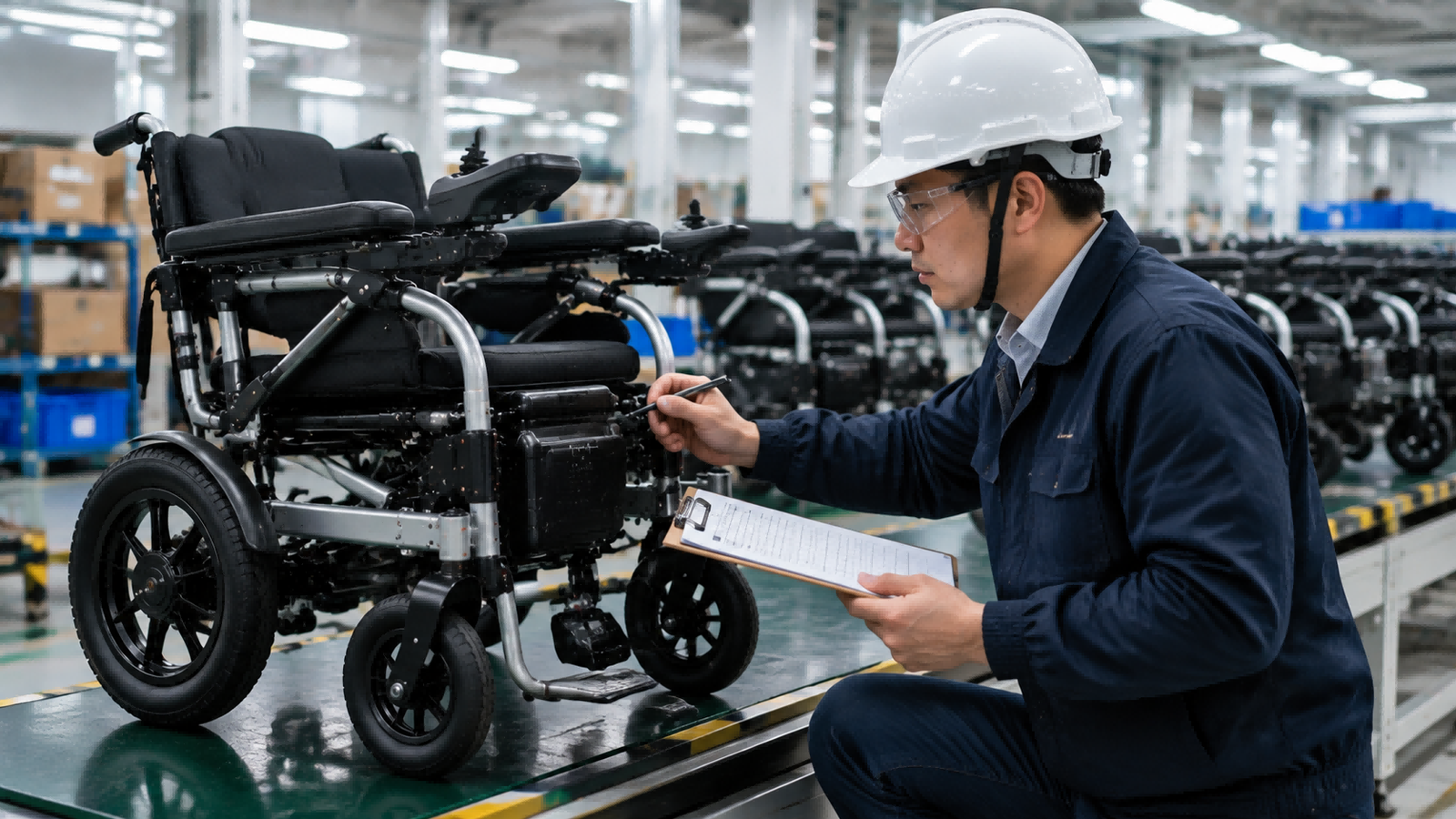
- Professional QC Service7: They have their own team or a trusted third party inspect your order before it leaves the factory. They should be able to provide you with their QC checklist and inspection reports.
- Professional Contact Service: You are assigned a dedicated, English-speaking account manager8 who understands your market and responds promptly.
- Professional Photography Service: They can provide high-quality, original images and videos for your marketing efforts, saving you the expense of a local photoshoot.
- Clear After-Sales Program: They have a documented process for handling warranty claims and a system for ordering and quickly shipping spare parts.
These services are the foundation of a low-risk, profitable supply chain.
Frequently Asked Questions
Can you take a folding electric wheelchair on an airplane?
Yes, most are specifically designed for air travel. You must verify the battery's Watt-hour (Wh) rating (usually under 100 Wh is permitted in carry-on) and inform the airline when booking. Always travel with the battery's UN38.3 test certification document9 to show to airline staff if requested.
What is the average lifespan of a folding electric wheelchair10?
With proper maintenance, a quality folding electric wheelchair should last 3 to 5 years. The frame and motors are designed for longevity. The most common replacement item is the lithium-ion battery, which typically has a lifespan of 500-800 charge cycles, or about 2-3 years of regular use.
How much should I budget for a reliable folding electric wheelchair?
As a B2B purchaser, expect the ex-factory price for a reliable, mid-range aluminum alloy model to be in the $400 to $800 USD range per unit, depending on features and volume. Premium carbon fiber models can be significantly more. Be cautious of prices far below this range, as they often indicate compromises in motor quality, battery safety, or supplier support.
Is carbon fiber always better than aluminum?
Not necessarily. Carbon fiber is exceptionally lightweight, which is a major advantage for some users. However, it is much more expensive and can be more prone to cracking on sharp, direct impact compared to the denting nature of aluminum. For the general travel market, a well-designed aluminum alloy frame offers the best overall balance of weight, durability, and cost-effectiveness.
Conclusion
Choosing the best folding electric wheelchair for your 2026 product line isn't about finding a single "best" model, but about mastering a professional evaluation process. To succeed, you must look beyond the surface-level price and marketing claims. Focus on the practical details that matter to end-users: the true transport weight, the verifiable real-world battery range, and the genuine usability of the folding mechanism. Most importantly, your success is directly tied to the reliability and service infrastructure of your supplier. A successful folding electric wheelchair program is built on a foundation of quality products supported by a strong and transparent supply chain partnership.
If you're an international purchaser looking to source reliable mobility products with professional support, my team at MorethingGO is here to help. Contact us to discuss your specific needs and learn how our professional buyer, QC, and contact services can protect your investment and streamline your procurement process.
"PackSafe - Wheelchairs and Mobility Devices", https://www.faa.gov/hazmat/packsafe/wheelchairs-mobility-devices. The International Air Transport Association (IATA) provides guidelines for the transport of mobility devices, including specifications for battery and frame approval for air travel. Evidence role: general_support; source type: institution. Supports: Airline approval is an important consideration for travel-friendly wheelchairs.. Scope note: The guidelines primarily address battery compliance and may not cover all aspects of frame approval. ↩
"evidence of wheelchair users' accuracy in reporting ... - PubMed", https://pubmed.ncbi.nlm.nih.gov/22609118/. Research published in the Journal of Rehabilitation Research and Development emphasizes the importance of transport weight in user satisfaction and daily usability of mobility devices. Evidence role: general_support; source type: research. Supports: Transport weight is a critical metric for end-users who frequently lift mobility devices.. Scope note: The study focuses on general mobility devices and may not exclusively address folding electric wheelchairs. ↩
"Effect of Wheelchair Frame Material on Users' Mechanical ...", https://pmc.ncbi.nlm.nih.gov/articles/PMC4167955/. A comparative study in Materials Science and Engineering highlights the weight and cost differences between aluminum and carbon fiber in mobility device construction. Evidence role: general_support; source type: research. Supports: Frame material significantly influences the weight and cost of mobility devices.. Scope note: The study may focus on material properties rather than specific applications in folding electric wheelchairs. ↩
"PackSafe - Lithium Batteries", https://www.faa.gov/hazmat/packsafe/lithium-batteries. The United Nations Manual of Tests and Criteria outlines the requirements for UN38.3 certification, which ensures the safety and compliance of lithium-ion batteries during transport. Evidence role: general_support; source type: government. Supports: The UN38.3 test report is critical for ensuring battery compliance in mobility devices.. Scope note: The guidelines focus on battery transport safety and may not address broader supplier practices. ↩
"Lithium-Ion Batteries under Low-Temperature Environment", https://pmc.ncbi.nlm.nih.gov/articles/PMC9698970/. A study published in the Journal of Power Sources demonstrates that lithium-ion batteries can lose up to 20% of their capacity in temperatures below 0°C. Evidence role: statistic; source type: research. Supports: Cold weather significantly reduces the effective capacity of lithium-ion batteries.. Scope note: The study focuses on general lithium-ion batteries and may not exclusively address those used in folding electric wheelchairs. ↩
"Folding Power Wheelchairs For Sale | The Best Prices, Tax ...", https://www.mobilityscootersdirect.com/power-wheelchairs/folding-power-wheelchairs.html?srsltid=AfmBOookn5Jb63cN0ev4Pm5XD8EaoRC03H9B2BA0KFXOeUz-EJpaQE3i. Research from the Rehabilitation Engineering and Assistive Technology Society of North America highlights the advantages of automatic folding mechanisms for users with physical limitations. Evidence role: general_support; source type: research. Supports: Automatic folding mechanisms are beneficial for users with limited physical strength or dexterity.. Scope note: The research may focus on general assistive technologies rather than specific folding electric wheelchairs. ↩
"Quality Control: The Importance of Third-Party Testing", https://www.rjleegroup.com/blog/third-party-qc-testing. Educational resources from the International Trade Centre emphasize the importance of third-party quality control in ensuring product compliance and reducing procurement risks. Evidence role: general_support; source type: education. Supports: Third-party inspections are a critical component of professional supplier practices.. Scope note: The resources focus on general trade practices and may not exclusively address mobility devices. ↩
"Strategies for Keeping Buyers", https://www.trade.gov/strategies-keeping-buyers. Educational resources from the International Trade Centre emphasize the importance of dedicated account managers in facilitating communication and understanding buyer needs in international procurement. Evidence role: general_support; source type: education. Supports: Dedicated account managers are a standard practice among professional suppliers.. Scope note: The resources focus on general trade practices and may not exclusively address mobility devices. ↩
"PackSafe - Lithium Batteries", https://www.faa.gov/hazmat/packsafe/lithium-batteries. The United Nations Manual of Tests and Criteria specifies that the UN38.3 certification document is required for the transport of lithium-ion batteries, including those used in mobility devices. Evidence role: case_reference; source type: government. Supports: Carrying the UN38.3 certification document is necessary for air travel with lithium-ion batteries.. Scope note: The guidelines focus on battery transport safety and may not address broader airline policies. ↩
"Incidence and dynamics of mobility device use among ... - PMC", https://pmc.ncbi.nlm.nih.gov/articles/PMC12288708/. A study in the Journal of Rehabilitation Research and Development estimates the lifespan of electric wheelchairs to be between 3 and 5 years, depending on usage and maintenance. Evidence role: statistic; source type: research. Supports: The average lifespan of folding electric wheelchairs is 3 to 5 years with proper maintenance.. Scope note: The study may focus on general electric wheelchairs rather than folding models specifically. ↩