
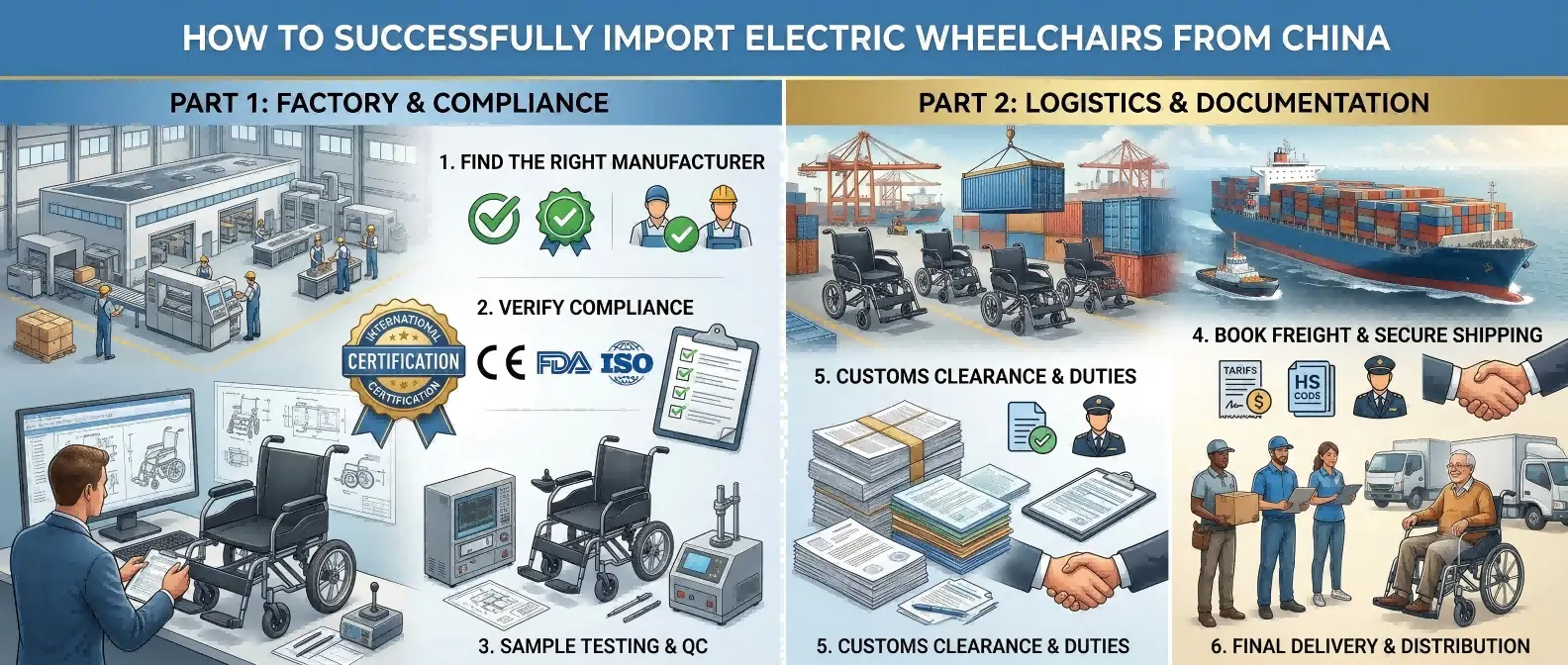
Struggling with the complexities of importing? Worried about hidden costs, unreliable suppliers, and legal hurdles? I will show you how to navigate the process smoothly and with confidence.
To successfully import electric wheelchairs, you must balance three key areas. Focus on understanding customs and taxes, verifying supplier quality beyond just brand names, and choosing the right shipping partner. This approach minimizes risk and protects your budget from start to finish.
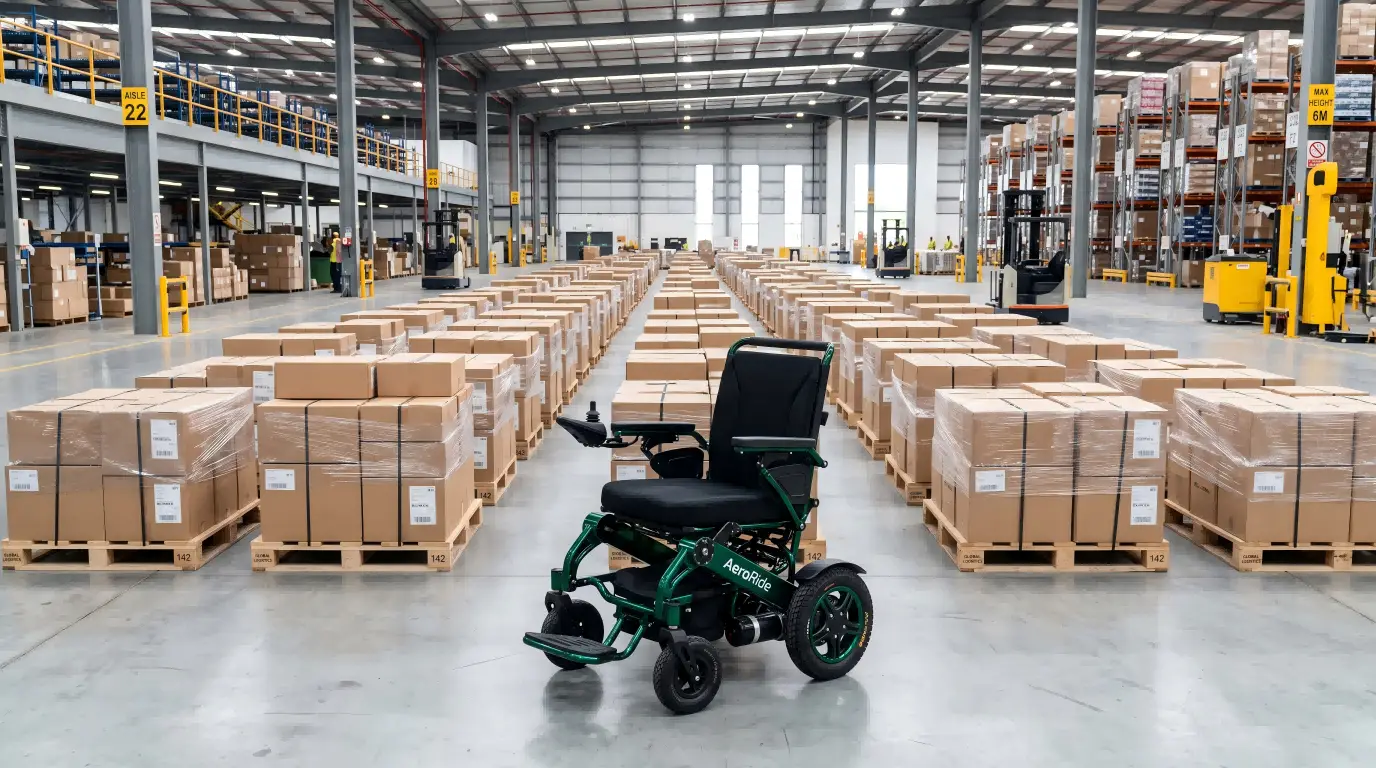
I have spoken with many business owners and purchasing managers. Their journey often starts with a lot of excitement. But that excitement can quickly turn into frustration. They sometimes focus too much on one thing, like getting the lowest possible price. They forget that importing is a big picture game. Let's break down the three most important areas you need to manage. This will help you make sure your import is a success.
How Do You Handle Taxes and Customs Without Unexpected Costs?
Confused by import duties and taxes? Fearing a surprise bill from customs that ruins your budget? There is a clear way to prepare and avoid these costly mistakes.
To handle taxes and customs properly, first identify your product's HS code1. Use this code to research your country's specific import duties and taxes. Always declare the true value of your goods. Working with an experienced customs broker2 will make this process much easier.
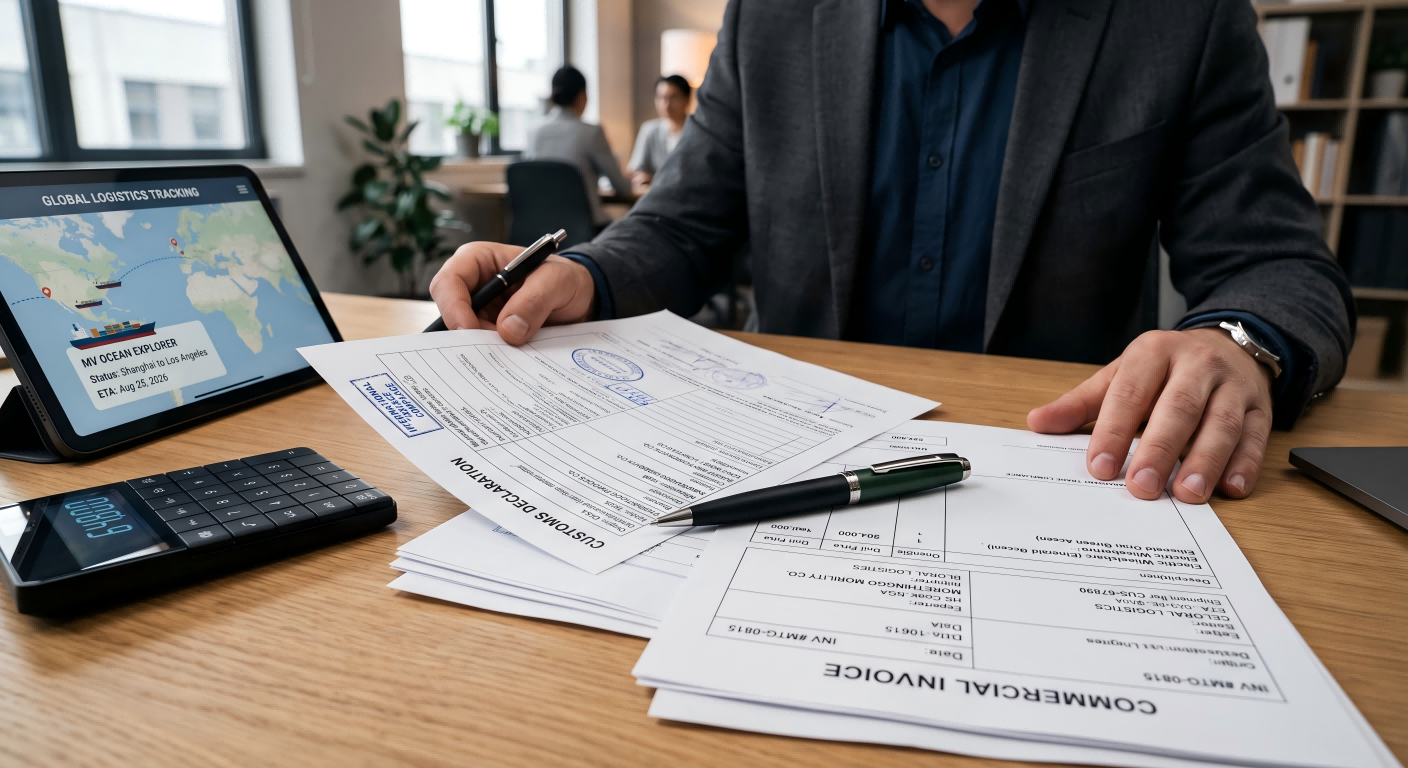
Many first-time importers get this part wrong. They think taxes are something they can figure out later. This is a huge risk. The best starting point is the Harmonized System (HS) code. This is a universal code for classifying products. Your supplier should be able to provide it. With the HS code for electric wheelchairs, you or your customs broker can find the exact duties and taxes for your country. I once had a client who was advised by a supplier to declare a lower value on the invoice3. They thought they were saving money. Instead, customs flagged the shipment. This led to a full inspection, heavy fines, and a two-month delay. The "savings" ended up costing them five times more. It's a simple lesson: honesty with customs is not just ethical, it's good business.
Key Steps for Tax & Customs Compliance
- Find the HS Code: Ask your supplier for the specific HS code for your electric wheelchair model.
- Consult a Broker: A customs broker is a professional who understands your country's import laws. They are worth the investment.
- Declare Honestly: Always use the real transaction value on your commercial invoice.
Here is a simple table showing the risk of under-declaring value.
| Action | Potential Short-Term "Benefit" | Likely Long-Term Consequences |
|---|---|---|
| Honest Declaration | Pay the correct, expected tax. | Smooth customs clearance, no legal issues, predictable costs4. |
| Under-Declaration | Pay a lower initial tax. | Fines, shipment seizure, delays, legal action, blacklisting. |
How Can You Verify Supplier Quality Beyond a Famous Brand Name?
Worried the products you receive will not match the samples? Unsure if a supplier is truly reliable? Choosing a partner based on brand alone can be a huge risk.
Verify supplier quality by looking past their brand. Ask for key certifications like ISO, CE, or FDA5. Request third-party inspection reports6 or arrange one yourself. Also, evaluate their after-sales support policy. A good partner stands by their product and helps solve problems.
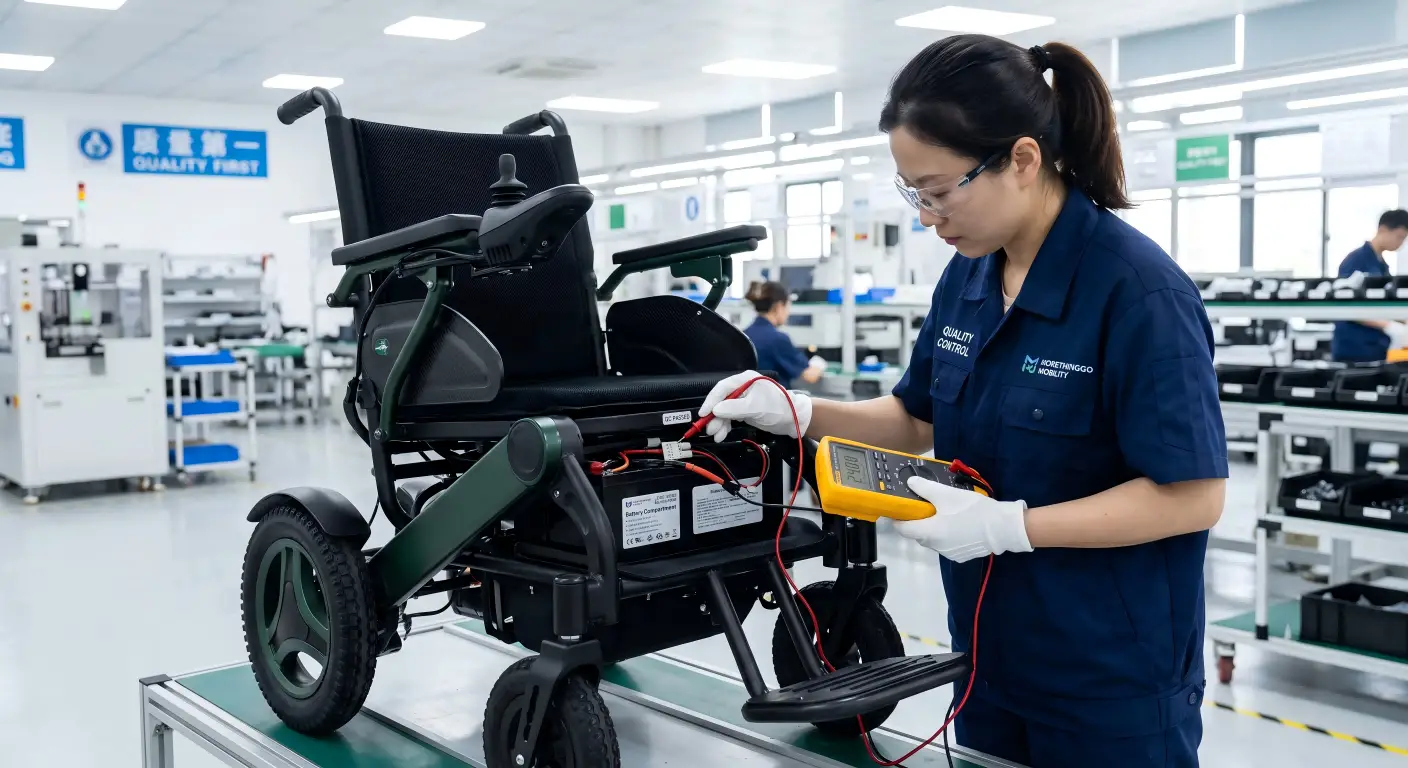
A supplier's marketing can be very convincing. But a flashy website does not guarantee quality products. I have seen this firsthand. A new purchasing manager I worked with was impressed by a supplier's "big name" in the local Chinese market. He decided to skip a quality check to save a few hundred dollars. The wheelchairs arrived with faulty batteries and weak frames. The supplier offered no real after-sales support. My client was stuck with a container of useless products. This is exactly why my company, MorethingGO, provides a professional QC service. We help our clients avoid this exact nightmare. You must dig deeper than the brand name. Ask for proof. A reliable supplier will be transparent and welcome your questions. They should be proud to show you their quality documentation.
Essential Quality Checks
- Product Certifications: These show that a product meets specific standards. For example, CE marking is often required for Europe7, while the FDA regulates medical devices8 in the United States.
- Third-Party Inspection: Services like SGS, Intertek, or QIMA9 can perform a Pre-Shipment Inspection (PSI). They check a sample of your order before it leaves the factory.
- After-Sales Support: What happens if there is a problem? Ask about their warranty policy and how they handle claims for defective parts.
| Focus Area | Bad Supplier Signal | Good Supplier Signal |
|---|---|---|
| Transparency | Vague answers, refuses to share certifications. | Provides clear documents, welcomes a factory audit. |
| Accountability | "No refunds" policy, weak warranty. | Clear warranty and a process for replacing defective parts. |
| Proof of Quality | Relies only on their brand reputation and marketing photos. | Shares third-party inspection reports and client testimonials. |
How Do You Choose a Shipper and Avoid Hidden Shipping Costs?
Alarmed by shipping quotes that seem too good to be true? Afraid of surprise charges for freight and delivery? You can secure a fair price and reliable shipping.
To avoid hidden costs, choose your shipping terms (Incoterms) carefully, like FOB or EXW10. Get multiple quotes from freight forwarders who specialize in large or sensitive goods. Always ask for a detailed breakdown of all charges, including destination port fees and last-mile delivery.
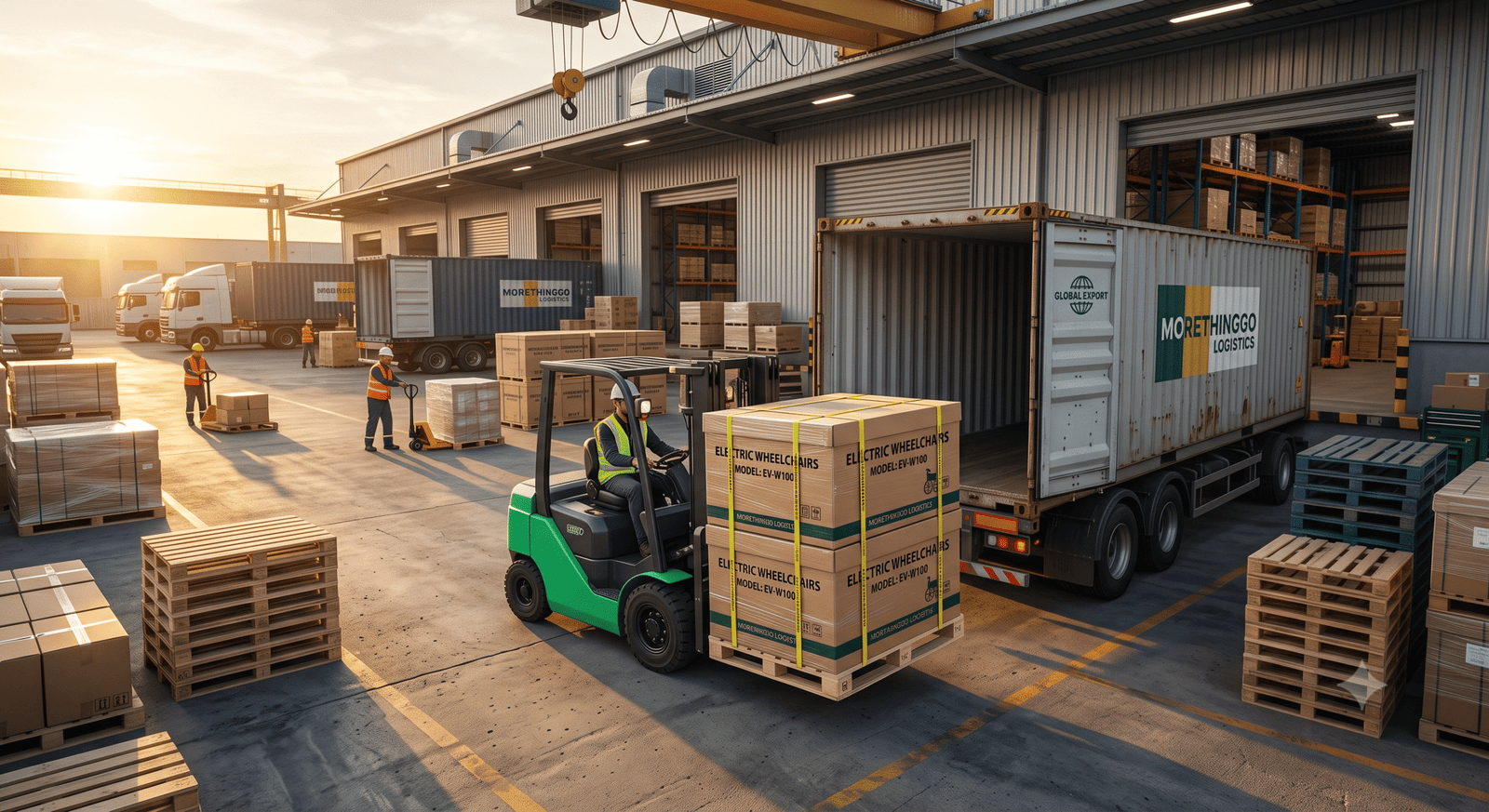
Shipping is more than just getting your products from Point A to Point B. The terms you agree to with your supplier have a huge impact on your final cost. These are called Incoterms. A client of mine once chose a CIF (Cost, Insurance, and Freight) term because the initial price from the supplier was very low. It seemed too easy. When the wheelchairs arrived at his local port, he was hit with massive "terminal handling charges" and other fees he never expected. The freight forwarder chosen by the supplier was charging a fortune for these local services. It would have been much cheaper to use an FOB (Free On Board) term and hire his own freight forwarder. Also, remember that electric wheelchairs contain large batteries. These can be classified as Dangerous Goods (DG) for shipping11. This requires special handling and paperwork. You need a freight forwarder who has experience with this, or you risk major delays.
Understanding Common Shipping Terms
- EXW (Ex Works): You are responsible for everything, from the factory door to your warehouse. Maximum control, but also maximum work.
- FOB (Free On Board): The supplier gets the goods to the departure port in China. You control the main ocean freight and everything after. This is a very popular and balanced option.
- CIF (Cost, Insurance, and Freight): The supplier arranges and pays for shipping to your destination port. This sounds convenient, but can lead to high, non-negotiable fees at your end.
| Incoterm | Who Pays for Main Shipping? | Who Controls Destination Fees? | Best For |
|---|---|---|---|
| EXW | Buyer | Buyer | Buyers who want full control. |
| FOB | Buyer | Buyer | Most buyers seeking balance and cost control. |
| CIF | Seller | Seller's chosen agent | Buyers who prioritize convenience over cost. |
Conclusion
Importing electric wheelchairs is about balancing legal compliance, quality verification, and shipping logistics. Master these three areas, and you will build a reliable and profitable supply chain.
"Harmonized Tariff Schedule", https://hts.usitc.gov/. HS codes are used globally to classify traded products and determine applicable tariffs and taxes. They are a critical component of customs documentation. Source: World Customs Organization. Evidence role: general_support; source type: education. Supports: HS codes are essential for determining import duties and taxes.. ↩
"Customs Broker Frequently Asked Questions", https://www.cbp.gov/trade/programs-administration/customs-brokers/frequently-asked-questions. Customs brokers are licensed professionals who help importers comply with regulations, ensuring smooth customs clearance. Source: U.S. Customs and Border Protection. Evidence role: general_support; source type: institution. Supports: Customs brokers assist in navigating complex import regulations and documentation.. ↩
"Penalties Program", https://www.cbp.gov/trade/programs-administration/penalties. Under-declaring the value of goods is considered customs fraud and can lead to fines, shipment seizures, and legal action. Source: European Commission Customs. Evidence role: case_reference; source type: government. Supports: Under-declaring value on customs invoices can result in penalties and shipment delays.. ↩
"What to Expect When You Return", https://www.cbp.gov/travel/us-citizens/know-before-you-go/what-expect-when-you-return. Accurate customs declarations reduce the risk of inspections, fines, and delays, leading to predictable costs. Source: International Trade Centre. Evidence role: general_support; source type: research. Supports: Honest customs declarations help ensure predictable costs and smooth clearance.. ↩
"Medical Devices - FDA", https://www.fda.gov/medical-devices. ISO certifications ensure quality management systems, CE marking indicates compliance with EU safety standards, and FDA approval is required for medical devices in the U.S. Source: Wikipedia. Evidence role: definition; source type: encyclopedia. Supports: ISO, CE, and FDA certifications indicate compliance with international quality and safety standards.. ↩
"Third-Party Inspection: Big Benefits for Small Businesses", https://industrial-ia.com/third-party-inspection-big-benefits-for-small-businesses/. Third-party inspections provide an unbiased evaluation of product quality, reducing the risk of defects. Source: International Trade Centre. Evidence role: general_support; source type: research. Supports: Third-party inspections help ensure product quality and compliance with specifications.. ↩
"CE marking", https://en.wikipedia.org/wiki/CE_marking. CE marking indicates that a product complies with EU safety, health, and environmental requirements. It is mandatory for specific product categories. Source: European Commission. Evidence role: definition; source type: government. Supports: CE marking is required for certain products sold in the European Economic Area.. ↩
"Overview of Device Regulation | FDA", https://www.fda.gov/medical-devices/device-advice-comprehensive-regulatory-assistance/overview-device-regulation. The FDA regulates medical devices to ensure they are safe and effective for use. Source: U.S. Food and Drug Administration. Evidence role: definition; source type: government. Supports: The FDA oversees the safety and effectiveness of medical devices in the U.S.. ↩
"Pre-Shipment Inspections for Mineral and Metal Commodities - SGS", https://www.sgs.com/en-us/services/pre-shipment-inspections. SGS, Intertek, and QIMA are leading providers of pre-shipment inspection services, ensuring product quality and compliance. Source: SGS Group. Evidence role: general_support; source type: institution. Supports: SGS, Intertek, and QIMA provide pre-shipment inspection services to verify product quality.. ↩
"Know Your Incoterms - International Trade Administration", https://www.trade.gov/know-your-incoterms. FOB (Free On Board) and EXW (Ex Works) are Incoterms that specify the division of costs and responsibilities between buyers and sellers. Source: International Chamber of Commerce. Evidence role: definition; source type: education. Supports: FOB and EXW are common Incoterms that define responsibilities and costs in international shipping.. ↩
"[PDF] Lithium Battery Guide for Shippers", https://www.phmsa.dot.gov/sites/phmsa.dot.gov/files/2024-11/Lithium-Battery-Guide-2024.pdf. Lithium batteries are classified as Dangerous Goods because they pose fire and explosion risks during shipping. Source: International Air Transport Association (IATA). Evidence role: definition; source type: institution. Supports: Large batteries are classified as Dangerous Goods due to their potential safety risks during transport.. ↩