
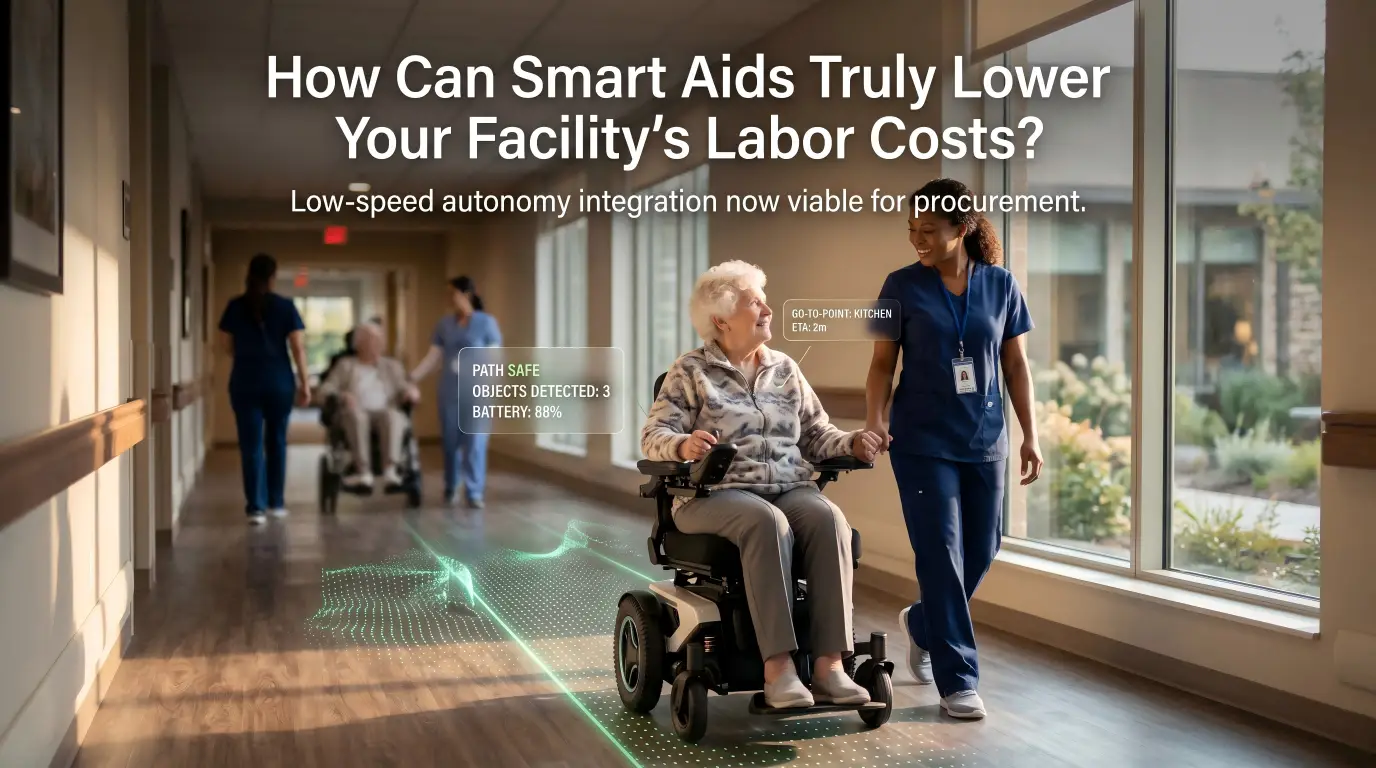
High caregiver turnover is bleeding your budget. The constant cycle of recruiting, training, and covering shifts is exhausting. The right equipment can reduce physical burnout and stop this financial drain.
Smart aids lower labor costs by reducing the physical strain on caregivers, which is a primary driver of high turnover. Investing in tools for transfers and toileting directly cuts the repetitive heavy lifting that leads to burnout, recruitment costs, and staffing gaps.
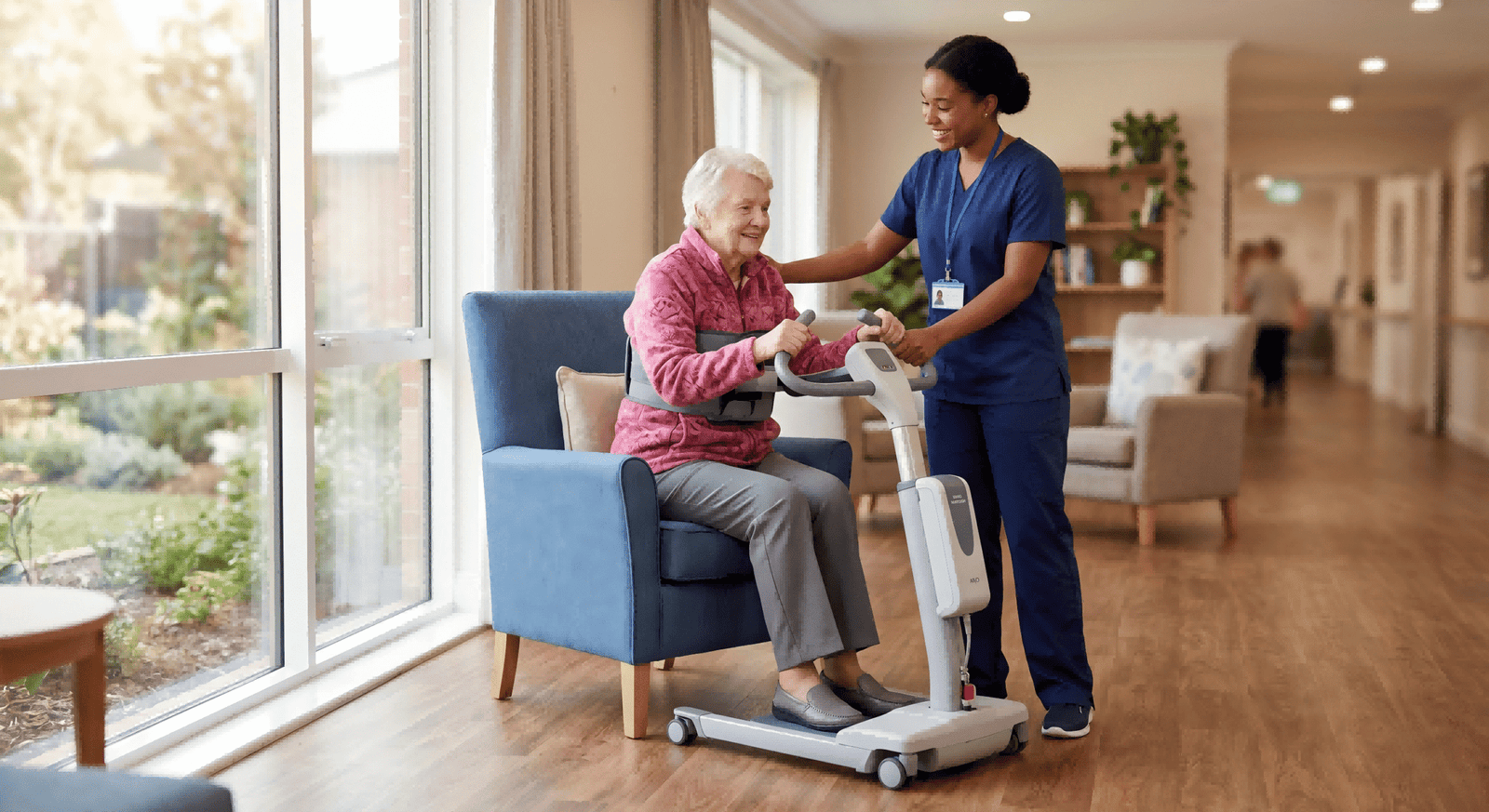
For 15 years, I've been talking to nursing facility purchasers about electric wheelchairs and mobility aids. The conversation always starts with equipment costs. But it quickly moves to people. Procurement managers, operators, and HR leaders all want to know the same thing: will this investment stop the revolving door of staff? They are tired of the high costs and disruptions caused by constant caregiver turnover. They need a solution that addresses the root of the problem, not just a temporary fix. Let's look at why the right equipment is really a tool for retaining your most valuable asset: your caregivers.
Are You Asking the Right Question About Equipment ROI?
You compare new equipment costs directly against wage savings. But this old math misses your biggest expense: staff turnover. Reframing your return on investment calculation shows the true financial picture.
The correct ROI calculation compares the equipment cost not to direct wage savings, but to the total cost of turnover. This includes recruitment fees, training hours for new staff, overtime for covering shifts, and the hidden costs of understaffing.

When I sit down with facility operators, their first instinct is to justify an equipment purchase by trying to reduce headcount or hours. This is the old way of thinking. Based on what I've seen from clients after deployment, the real savings aren't in cutting staff. The savings come from keeping staff. The traditional ROI model is too simple and misses the real pain points.
The Flawed "Cost vs. Wages" Model
This model is straightforward but misleading. It looks at the price of a lift or a transfer aid and asks, "How many staff hours does this save me per week?" The math seems simple, but it assumes your biggest problem is payroll inefficiency. For most facilities I talk to, the biggest problem is that they can't keep their payroll full. Their best caregivers are leaving due to physical and mental exhaustion, and that's where the real costs are hiding.
The Real Cost of Turnover
The correct way to frame this is to compare the equipment cost to your turnover cost. This is the number that truly hurts your budget. Let's break down what that includes.
| Traditional ROI Model | Turnover-Based ROI Model |
|---|---|
| Equipment Cost | Equipment Cost |
| vs. | vs. |
| Direct Wage Savings (Reduced staff hours) | Total Turnover Cost (Recruitment, training, overtime, vacancy coverage) |
Facilities that successfully use this model see the equipment not as a way to replace people, but as a tool to support them. It prevents the burnout that leads to a resignation, which then triggers a cascade of expensive consequences. It stops the bleeding.
Which "Smart" Features Actually Reduce Caregiver Burnout?
Vendors promise "efficiency" with every new feature on the market. But you end up with expensive technology that doesn't actually reduce the physical work. You must focus only on features that solve your caregivers' biggest complaints.
Based on client feedback, features that provide transfer and toileting assistance deliver the most significant reduction in physical labor. These directly address the heavy, repetitive lifting that causes injury and burnout, unlike features that primarily offer monitoring or data collection.
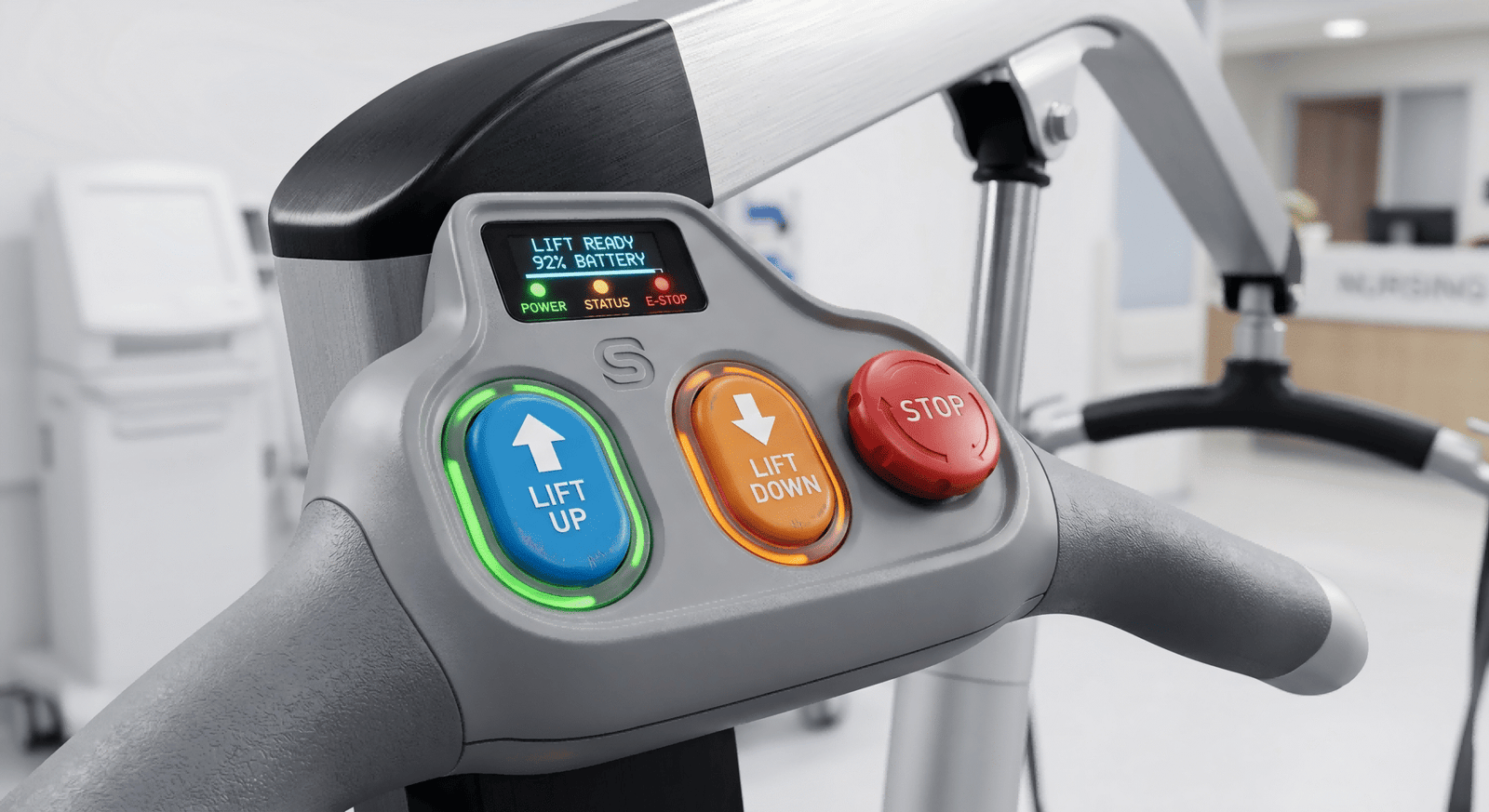
When a facility is looking to purchase new mobility aids, I encourage them to reverse-engineer their decision. Don't start with a product brochure. Start by asking your caregivers a simple question: "What is the hardest physical part of your day?" I can almost guarantee their answers won't be about data entry or checking alerts. Their answers will be about lifting people.
The Tasks That Drive Turnover
From countless conversations with clients, the feedback is consistent. Caregivers leave because their bodies hurt. The work that causes this pain is repetitive and predictable. The top complaints always revolve around:
- Transferring residents: Moving a person from a bed to a wheelchair, or from a wheelchair to a toilet. This is the single most physically demanding and injury-prone task.
- Repositioning residents: Adjusting a resident's position in bed to prevent sores and ensure comfort. This requires awkward bending and pulling.
- Toileting assistance: This combines the strain of transferring with the difficulty of maneuvering in a small, tight space.
Any "smart" feature that doesn't reduce the strain of these core tasks is not solving your turnover problem.
Separating High-Impact Features from "Feature Theater"
Many modern devices come loaded with technology. But not all technology helps with physical workload. Some features look impressive but offer little practical help for a tired caregiver. Based on what my clients report back after using the equipment, the difference is clear.
| Feature | Direct Impact on Physical Labor | Why It Matters for Turnover |
|---|---|---|
| Powered Transfer/Lift Assist | High | Directly removes the single heaviest lifting task. Clients report this is a top reason caregivers feel supported and stay in their jobs. |
| Toileting Support Chairs | High | Reduces the manual lifting and awkward bending needed for a frequent and physically difficult task. This directly lowers daily physical strain. |
| Remote Patient Monitoring | Low | This changes workflow but does not reduce the physical workload. It may even add cognitive stress without easing bodily strain. |
| Automated Fall Detection | Low | This is a critical safety feature, but it's reactive. It does not reduce the day-to-day, cumulative physical effort that leads to burnout. |
When you're evaluating equipment, ask one question for every feature: "Does this mean my staff has to lift one less time today?" If the answer is no, it's not a tool for reducing labor turnover. It's likely just "feature theater."
Is Your Facility a Good Candidate for This Investment Strategy?
You might be unsure if this investment will actually pay off for your specific facility. Making the wrong choice means wasting limited capital. A simple benchmark can help you know if you will see a real return.
Facilities that benefit most from this investment typically have an annual caregiver turnover rate exceeding 30%. In these high-turnover environments, the root problem is often physical burnout, which the right equipment directly solves, leading to significant cost savings on recruitment.

This strategy is not a universal solution for every long-term care facility. The effectiveness of the investment depends entirely on the specific problems you are facing. Over the years, I've seen a clear pattern emerge from the feedback I get after a facility deploys new equipment. The impact is directly tied to their pre-existing turnover rate.
The High-Turnover Profile: Where Investment Makes Sense
I have spoken with many operators who were desperate. They described their facility's turnover as a "leaky bucket," with annual rates of 30%, 40%, or even higher. They were spending a fortune on recruitment agencies, running constant training sessions for new hires, and paying huge overtime premiums to cover empty shifts. In these cases, the primary reason for turnover was almost always physical burnout. When these facilities invested in equipment that specifically reduced heavy lifting—like powered transfer aids—they reported a noticeable drop in resignations. They didn't need to track complex metrics. They just noticed they were calling the recruitment agency less often. The investment paid for itself by plugging the leak.
The Low-Turnover Profile: Different Problems, Different Solutions
On the other hand, I've also consulted with facilities that have stable, low turnover rates, often below 15%. These organizations are usually doing a lot of things right already. Their staff feels supported, and physical burnout isn't the main reason people leave. For these facilities, investing in expensive lifting aids purely for financial ROI doesn't make as much sense. Because they aren't spending a lot on turnover costs, there isn't a large expense to reduce. Their reasons for investing in new equipment are different—perhaps to enhance resident comfort or to maintain a modern standard of care. But they won't see the dramatic financial impact on labor costs, because that was never their biggest problem.
Conclusion
Stop focusing on equipment cost versus wage savings. The real win is cutting your massive turnover expense by investing in tools that reduce the physical burnout driving your best caregivers away.