
Choosing a supplier feels like a gamble. A bad choice means delays and defects. You need a partner who delivers, not just promises.
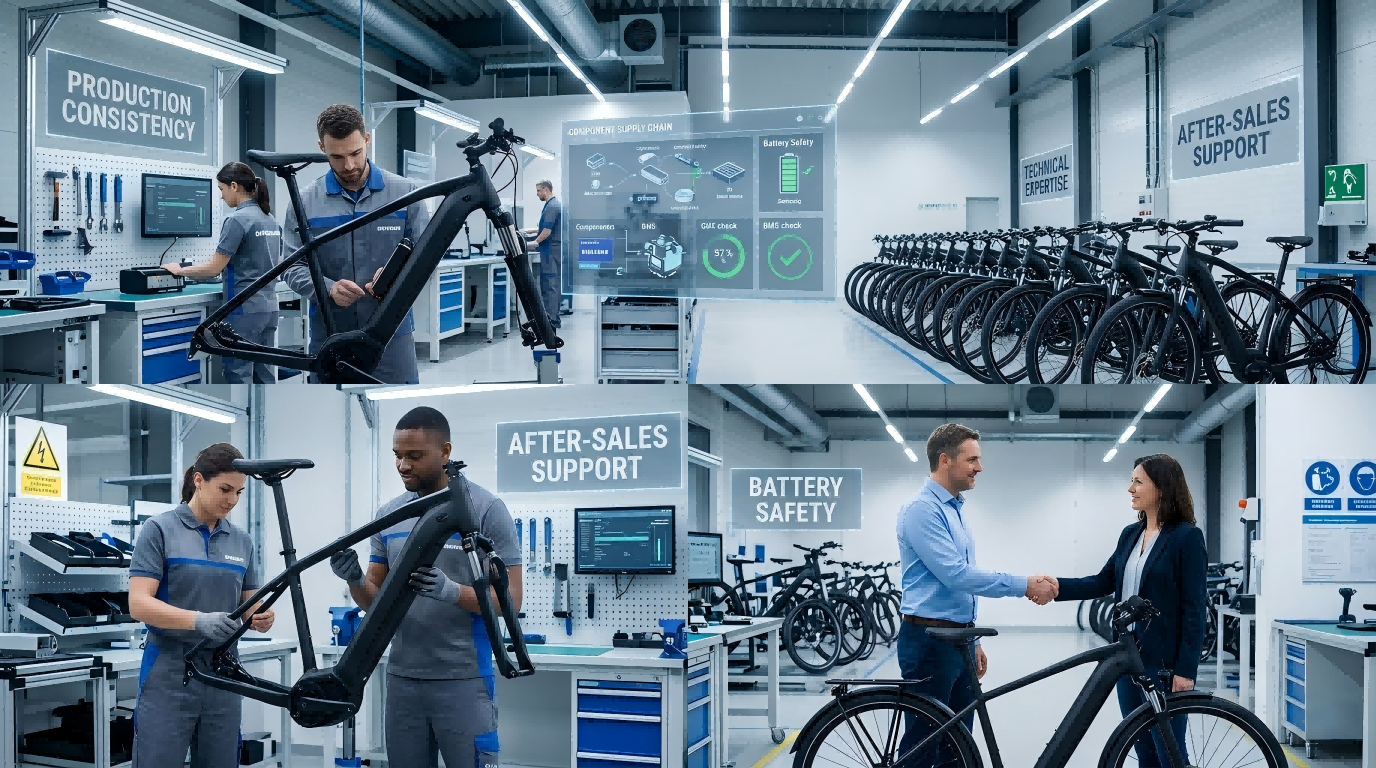
A good eBike supplier is defined by verifiable characteristics, not just certifications. Look for proven production consistency, transparent supply chains, eBike-specific technical expertise, and responsive after-sales support that aligns with your market's needs.
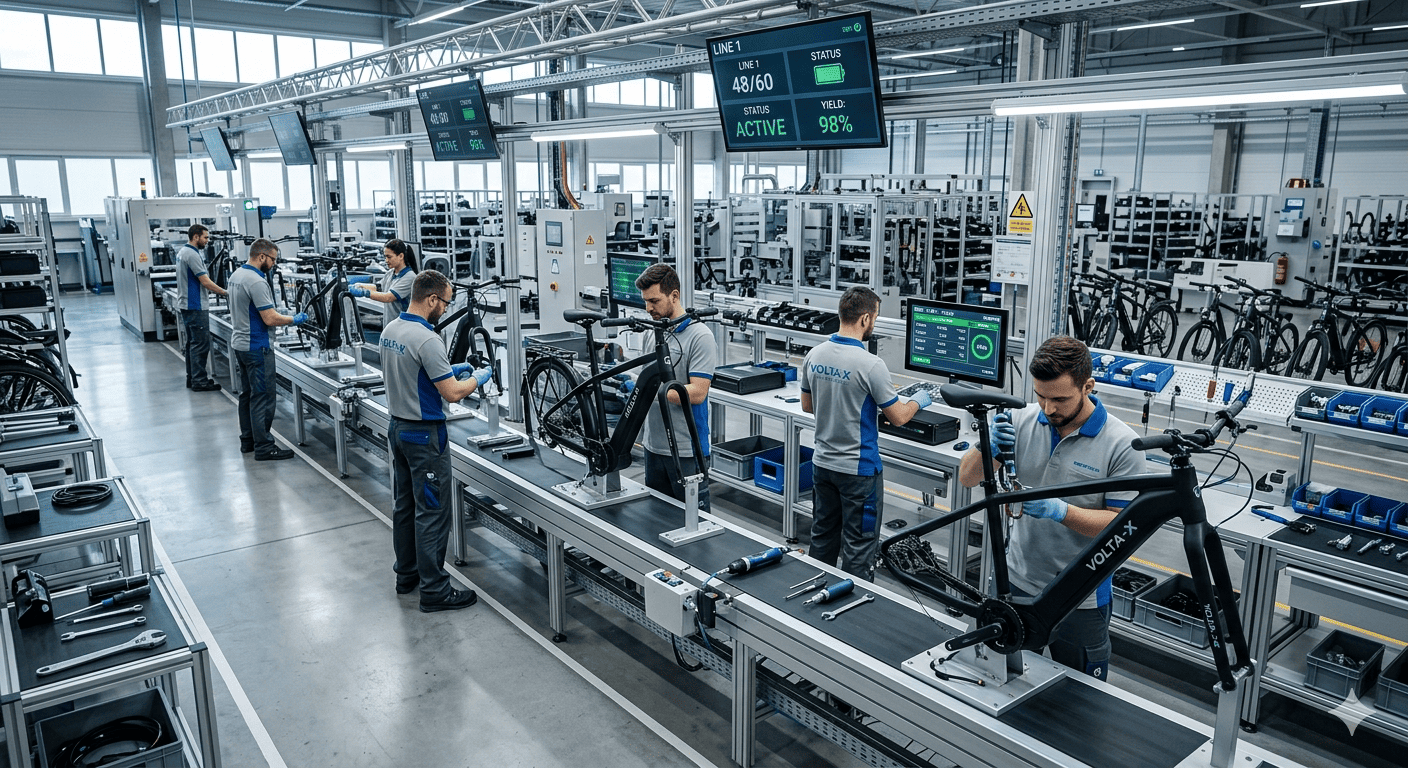
Over my 15 years in this industry1, I've seen countless buyers struggle with this. They come to us with stories of missed deadlines, inconsistent quality, and suppliers who disappear after the payment is made. They often start by asking about our certificates, but the real indicators of a good partner lie deeper. Let's break down what you should actually be looking for to avoid these costly mistakes and build a successful eBike brand.
Is Their Quality System More Than Just a Certificate?
You see ISO 9001 and feel relieved. But what if that paper doesn't prevent production errors? You need to know their quality process is real, not just for show.
A certificate is a starting point. A great supplier integrates quality into every step. Ask them to walk you through their specific quality control checkpoints on the assembly line, from frame welding to final electronics testing, not just show you the document.
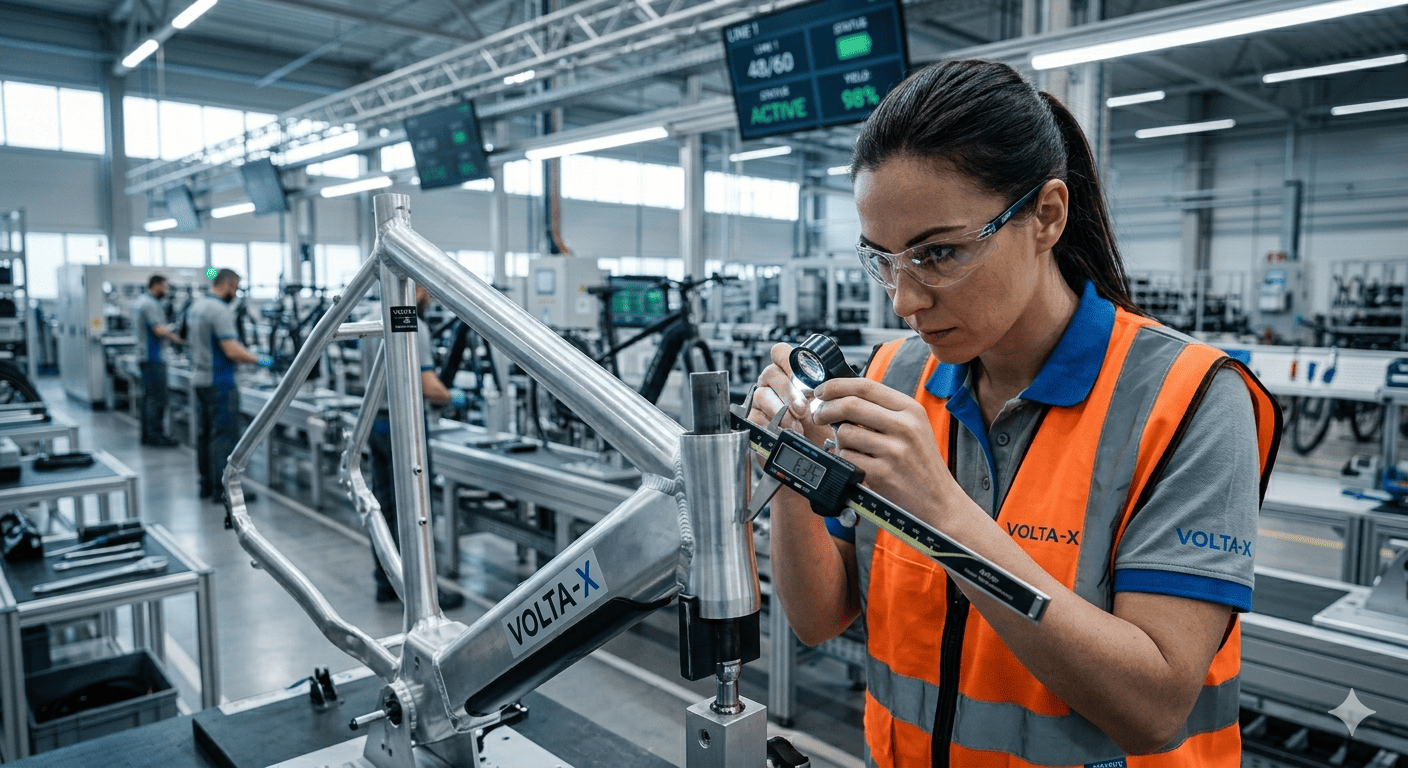
For 15 years, the first question from many new buyers is, "Are you ISO certified?" It's an important question, but it's the wrong first question. Certifications like ISO 9001 or BSCI are baseline requirements2. Think of them as a driver's license; it proves they passed a test once, not that they are a good driver who won't cause an accident. A truly quality-focused supplier lives and breathes this process. When you visit their factory or have a video call, ask them to show you their process for a non-conforming part. What happens when a frame has a bad weld or a display fails a test? A good partner will have a clear, documented procedure for quarantining the part, tracing the root cause, and implementing a corrective action. They should be able to show you the data, not just tell you they have a system. This practical demonstration is infinitely more valuable than a framed certificate on the wall.
Can They Prove Production Consistency Beyond a Perfect Sample?
The golden sample was perfect. But now your first bulk order has arrived with frustrating variations. You need a supplier who can replicate that initial quality, every single time.
Ask the supplier for their batch-to-batch quality metrics. A reliable partner tracks and shares data on defect rates and dimensional consistency over time. Requesting a small pre-production run can also reveal their ability to scale from one sample to many units consistently.
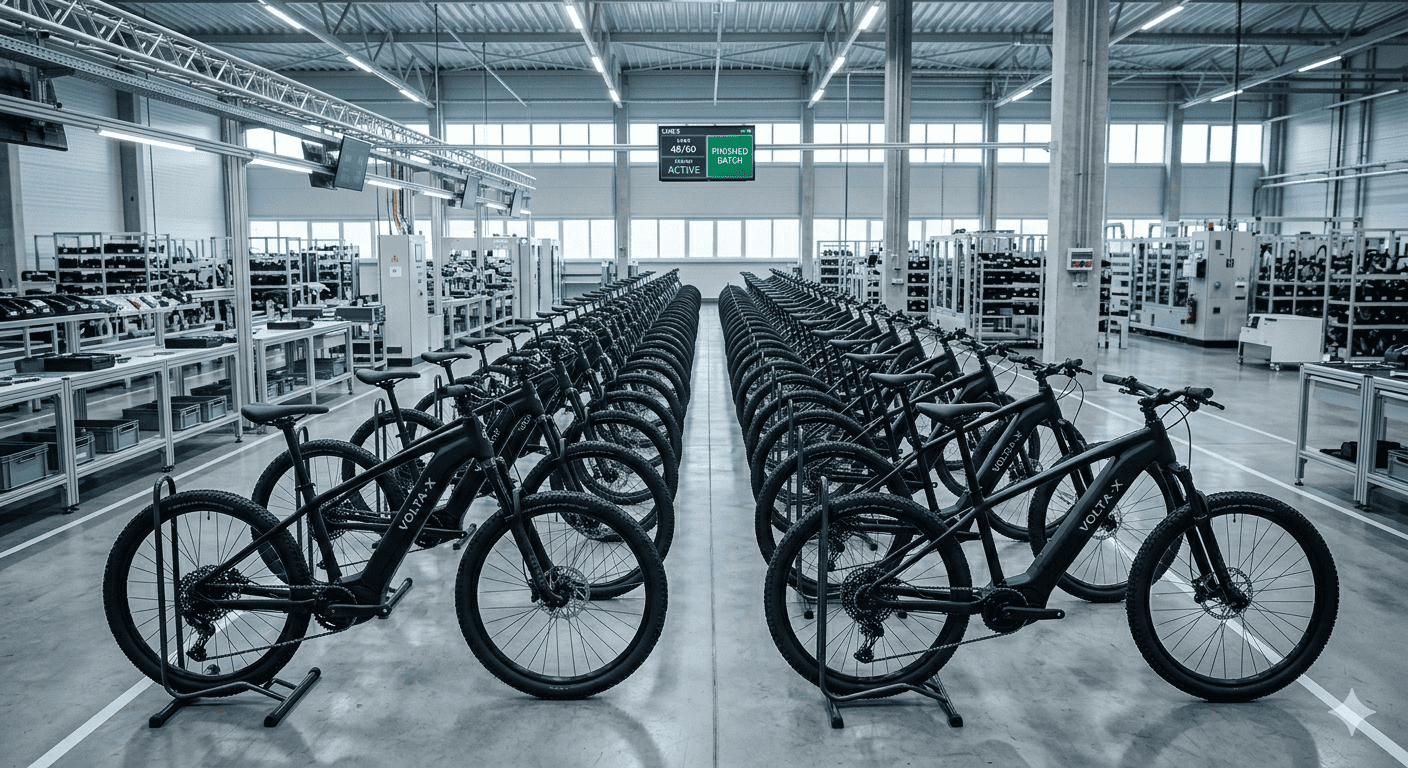
The "perfect sample" is a classic sales tool, and I've seen it create false confidence many times. It's easy for any factory to pour all their resources into making one flawless unit. The real test is making the 500th unit identical to the first. How do you test for this? Don't just rely on their word. When you place a larger order, build in checks. For example, you can request photos or videos of random units being pulled from the line for inspection at specific milestones (e.g., unit #50, #150, #300). Better yet, use a third-party inspection service3 for this. Another pro tip is to ask about their 'Standard Operating Procedures' (SOPs)4 for key assembly tasks. Do they have clear, visual instructions for every worker at every station? This level of process control is what separates workshops from professional manufacturers and is the only real guarantee of consistency.
How Transparent is Their Component Supply Chain?
A key component is suddenly unavailable, delaying your entire order. Your supplier is vague about the reason. You need a partner with control and visibility over their parts sourcing.
A good supplier provides a detailed Bill of Materials (BOM) and can name their primary suppliers for critical components like motors, batteries, and controllers. They have contingency plans for component shortages and don't switch suppliers without your explicit approval.
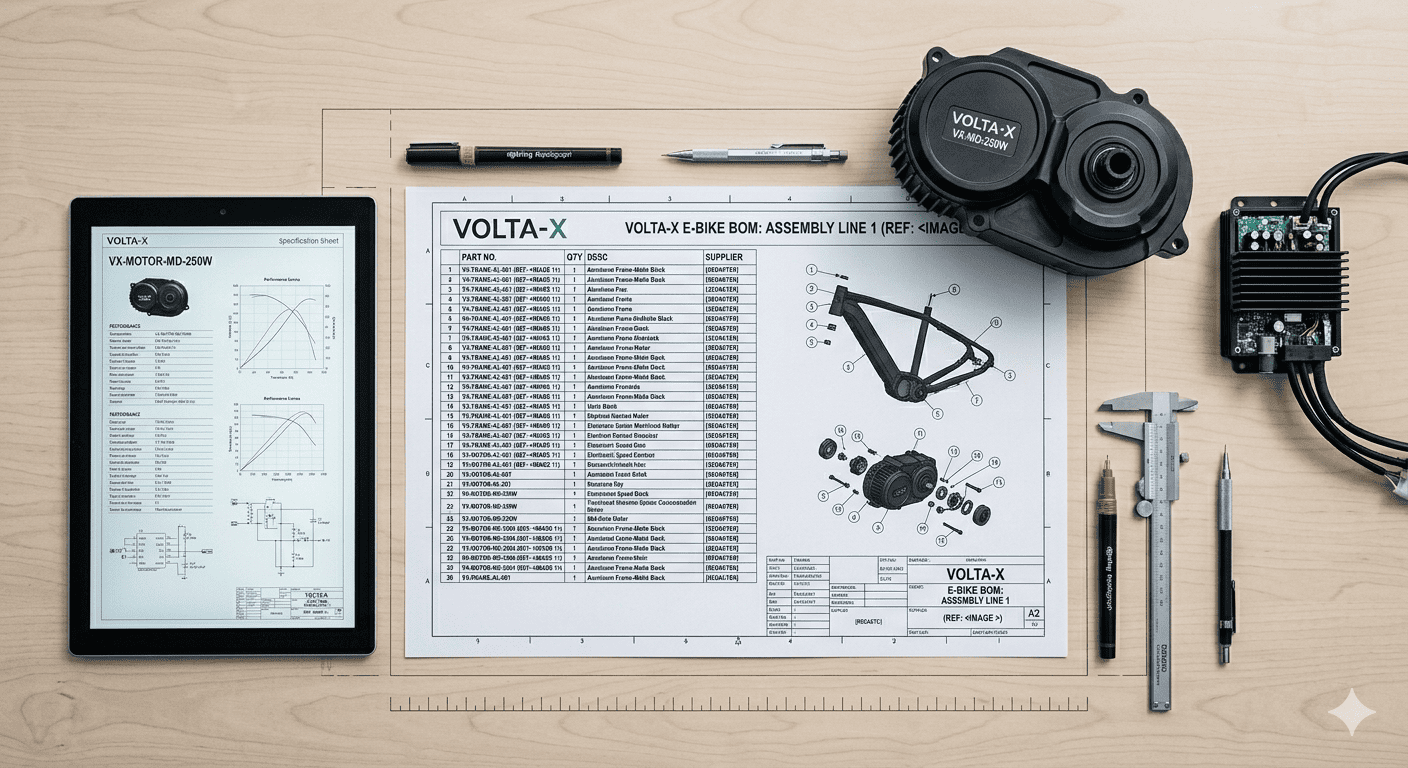
An eBike is only as good as its weakest component. I remember a client whose previous supplier suddenly switched to a cheaper, unbranded motor to save costs, leading to widespread failures and a brand reputation crisis for my client. This is why supply chain transparency is not just "nice to have," it's fundamental. Ask potential suppliers about their component traceability system. Can they trace a specific battery pack in a finished eBike back to its original production batch and cell supplier? This is crucial for managing recalls or warranty claims. Also, discuss their relationship with key component brands like Shimano, Bafang, or Bosch5. Do they have direct relationships, or do they buy from local traders? Direct relationships mean better technical support, more stable supply, and access to the latest technology. A supplier who is secretive about their sources is a major red flag.
What Does Their After-Sales Support Really Look Like?
Your customers have warranty issues, but your supplier is slow to respond. You're left managing angry customers and footing the bill. You need a partner who stands by their product.
Effective after-sales support means a clear warranty policy, a dedicated contact person, and a system for providing spare parts quickly. Ask them to describe the exact process, from the moment you report a problem to the moment a solution is delivered.
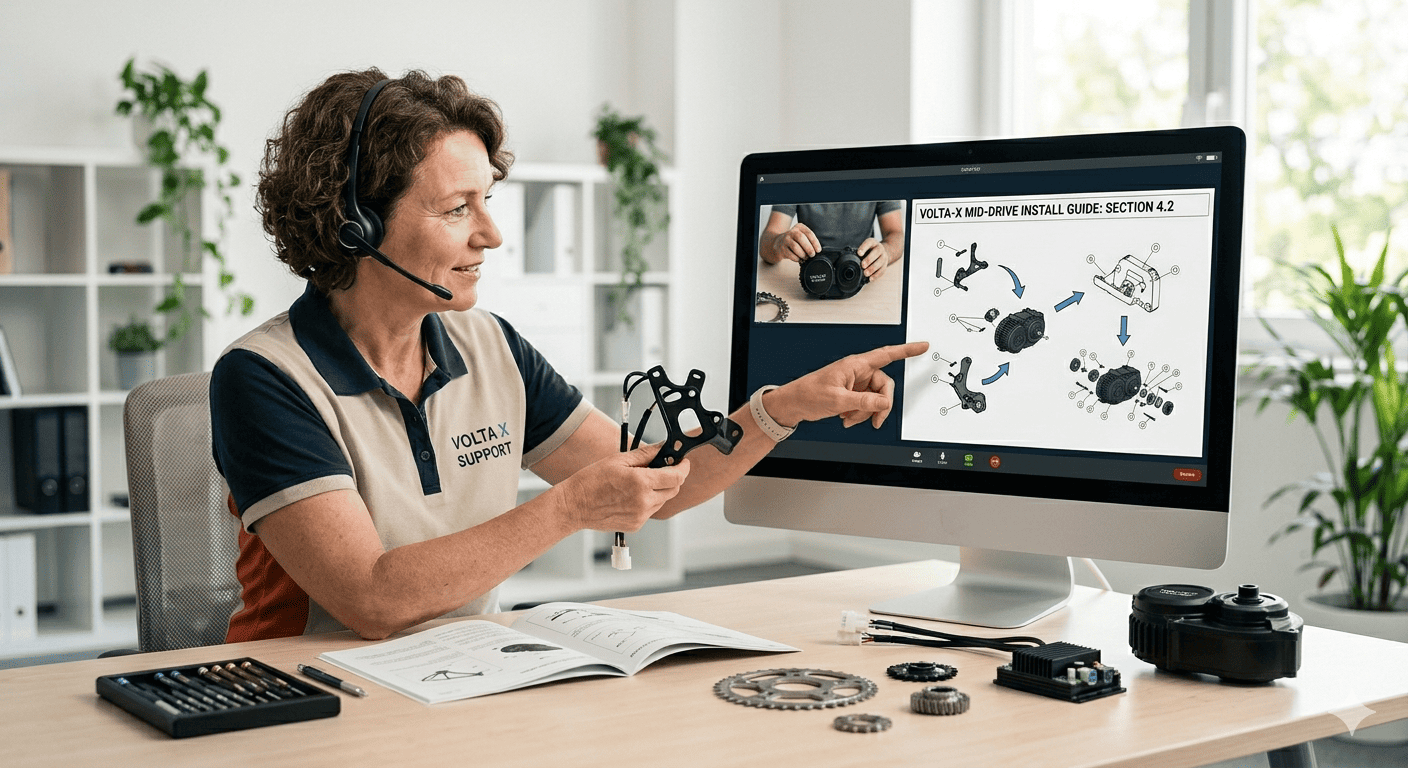
"We have great after-sales support" is one of the easiest promises for a supplier to make and one of the hardest for a buyer to verify upfront. So, you have to dig deeper. Don't ask if they have it; ask how it works. Here are some specific questions: "What is your typical response time for a warranty claim?" "How do you handle the logistics and cost of shipping replacement parts?" "Can you provide technical training materials or videos for my service team?" A great partner thinks proactively. They might offer a "spare parts package" with your first order, including common wear-and-tear items or parts with higher potential failure rates. This shows they understand the realities of the business and are invested in your success, not just in getting the initial sale. Their answers should be specific, not vague promises of "we'll take care of it."
Do They Understand Your Market's Specific Regulations?
Your shipment is stuck in customs. The eBikes don't meet local standards your supplier overlooked. This costly mistake could have been avoided with a knowledgeable partner.
A global-ready supplier doesn't just build eBikes; they build them for your specific market. They should ask you about your country's regulations (e.g., EU's EN15194, US speed/power classes) and provide proof of compliance and testing for similar markets.
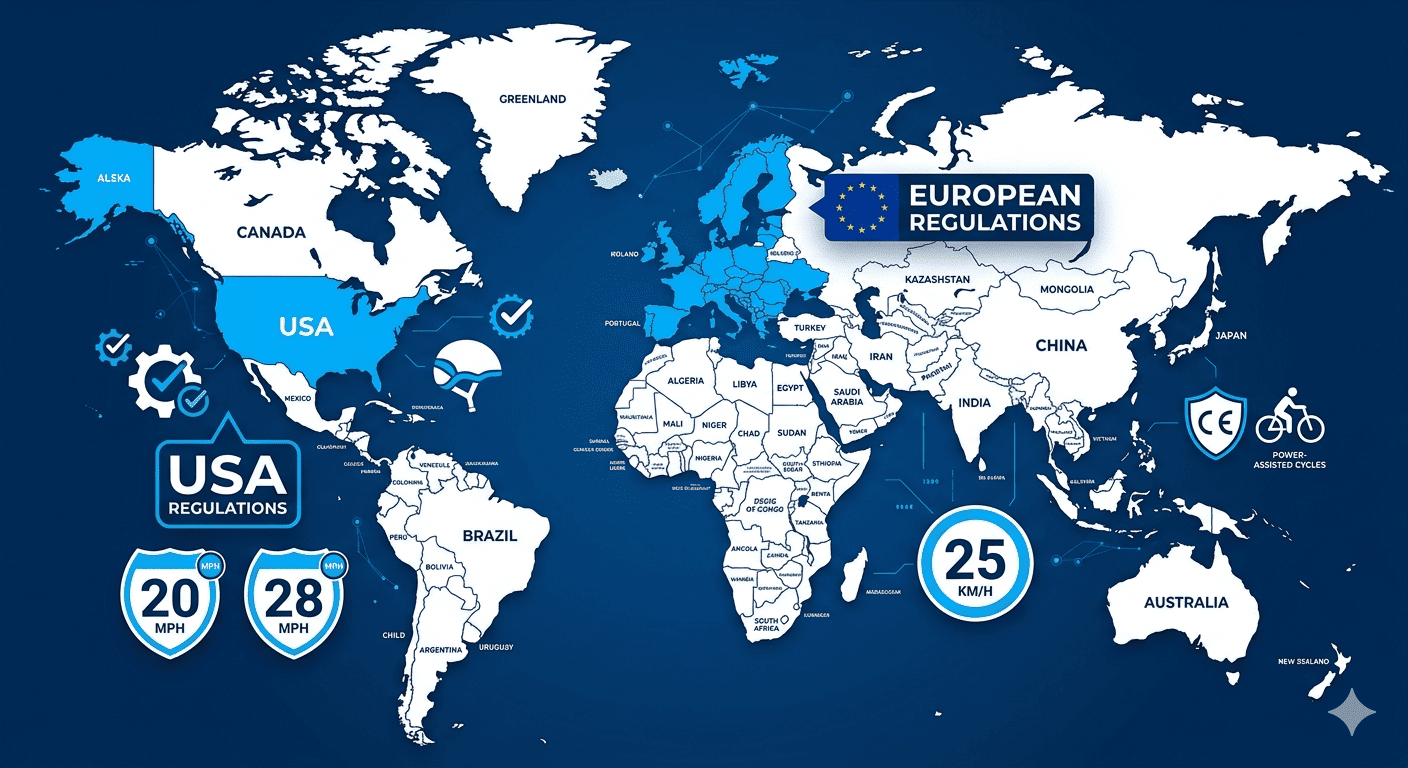
Many factories can assemble an eBike. Far fewer understand the complex web of international regulations. The rules for a Class 2 eBike in the United States6 are completely different from the EN15194 standard in Europe7. A supplier's ignorance can become your legal and financial nightmare. When I talk to a potential client from, say, Germany, I proactively bring up TÜV testing8 and the specific requirements for speed, power, and pedal-assist functionality. A good supplier should be having this conversation with you. Ask them for case studies or examples of products they've successfully shipped to your region. Request the technical files or conformity declarations they used. If they look confused or give a generic answer like "we can build anything," be very cautious. This indicates they expect you to be the sole expert, shifting all the compliance risk onto your shoulders.
How Do They Handle Battery Integration and Safety?
You read horror stories about eBike battery fires9. You worry about the safety and liability of your product. You need a supplier who treats battery systems with extreme care.
A responsible supplier focuses heavily on battery safety. They use cells from reputable brands (e.g., Samsung, LG, Panasonic10), have certified Battery Management Systems (BMS)11, and can provide UN 38.3 test reports for shipping[^12]. Ask to see their battery assembly and testing area.
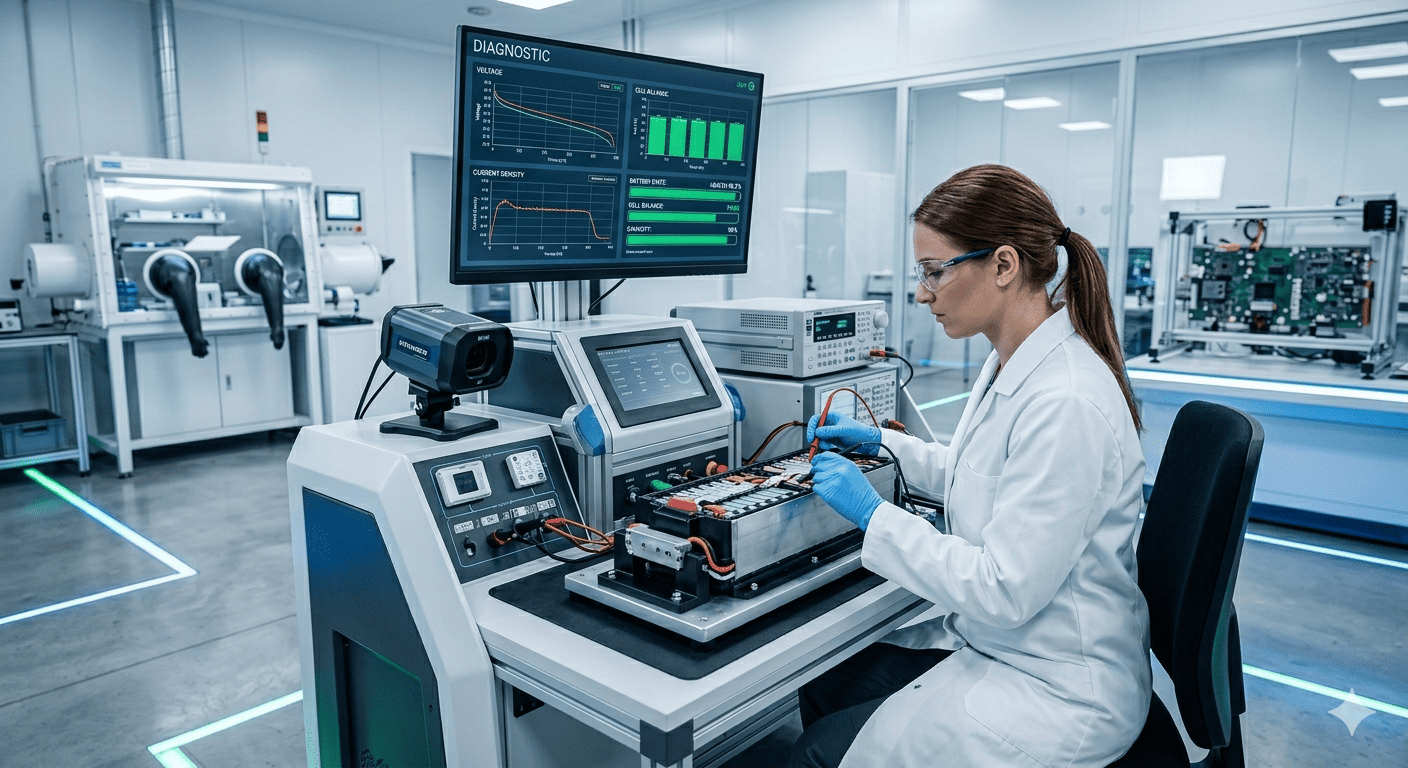
The battery is the heart, and also the most dangerous part, of an eBike. This is not an area for cost-cutting or inexperience. I've seen factories where workers assemble battery packs in a dusty corner with minimal safety gear—this is a massive red flag. A professional operation will have a dedicated, climate-controlled, clean area for battery pack assembly. They will be able to show you their testing equipment, which includes cycle-life testers, capacity testers, and equipment for simulating overcharging or short-circuiting in a controlled environment. Ask them about the specific brand of cells they use and why. A good supplier will be proud to tell you they use Samsung or LG cells and will explain how their BMS is programmed to protect against common failures. If they are evasive about cell brands or can't produce a UN 38.3 report, walk away.
Can They Adapt to New Technology and Your Custom Needs?
The market is changing fast, but your supplier is stuck in their ways. You want to innovate, but their rigid processes are holding you back. You need a flexible partner.
True adaptability isn't just saying "yes" to everything. It's having a structured R&D process and engineering team that can collaborate with you on design changes, integrate new components, and provide feedback on the feasibility of your ideas.
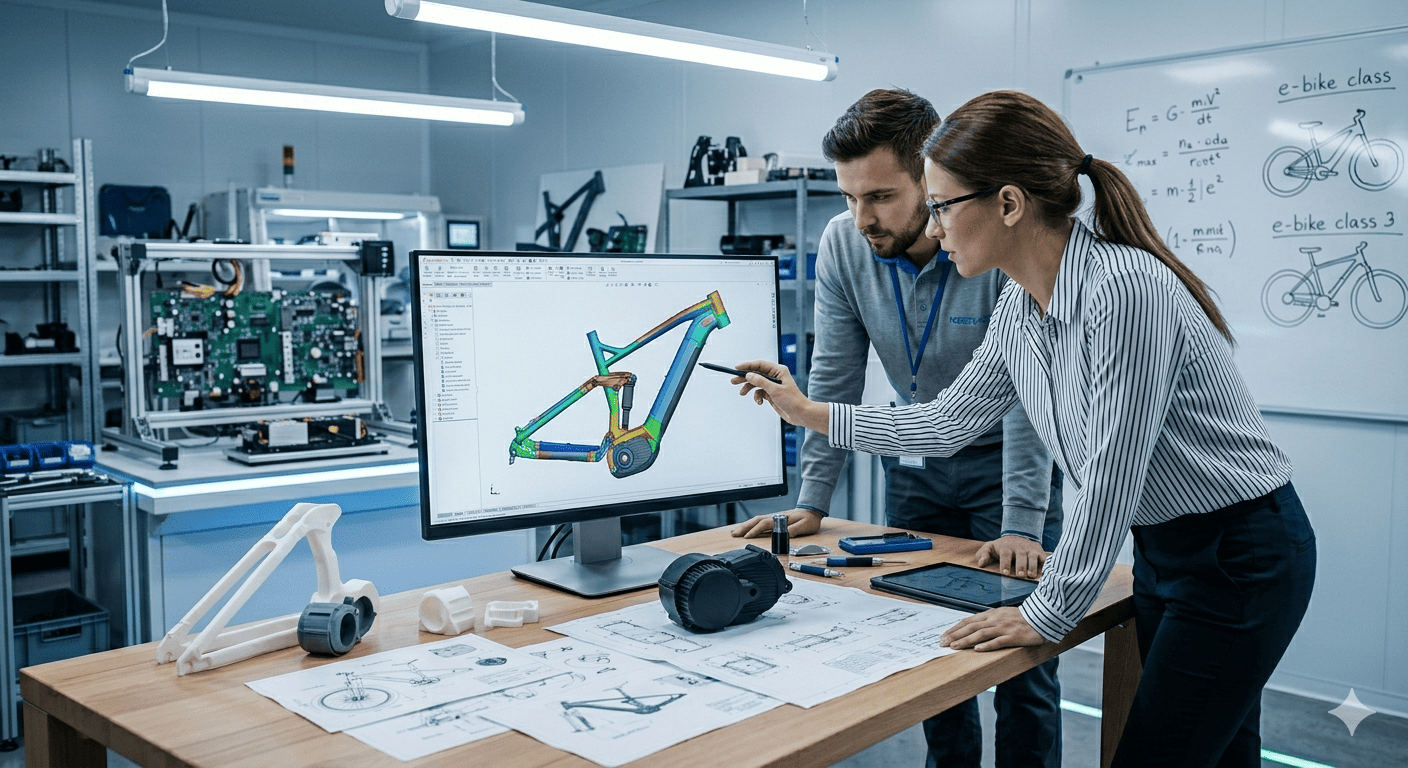
Many buyers confuse a large factory with a flexible one. Often, the opposite is true. Large factories are optimized for mass-producing a few standard models and can be very resistant to change. A more valuable partner, especially for a growing brand, is one that has a dedicated R&D or engineering team. When you have an idea for a custom frame geometry or want to integrate a new smart display, what is their process? Do you get to speak directly with an engineer, or is everything filtered through a salesperson who may not understand the technical details? Ask them to show you an example of a custom project they completed for another client. How did they handle the process from initial concept to final production? A good partner will act as a collaborator, even pushing back and suggesting improvements based on their manufacturing experience. This collaborative spirit is a sign of a true long-term partner.
Does Their Factory Size Actually Match Their Capabilities?
Their website shows a huge, modern factory. But in reality, they're a small workshop or just a trading company. You need to know who you're really dealing with.
Don't trust marketing photos. Ask for a live, unedited video tour of the facility during working hours. Pay attention to the number of workers, the flow of the assembly line, and the presence of dedicated areas for quality control, R&D, and warehousing.
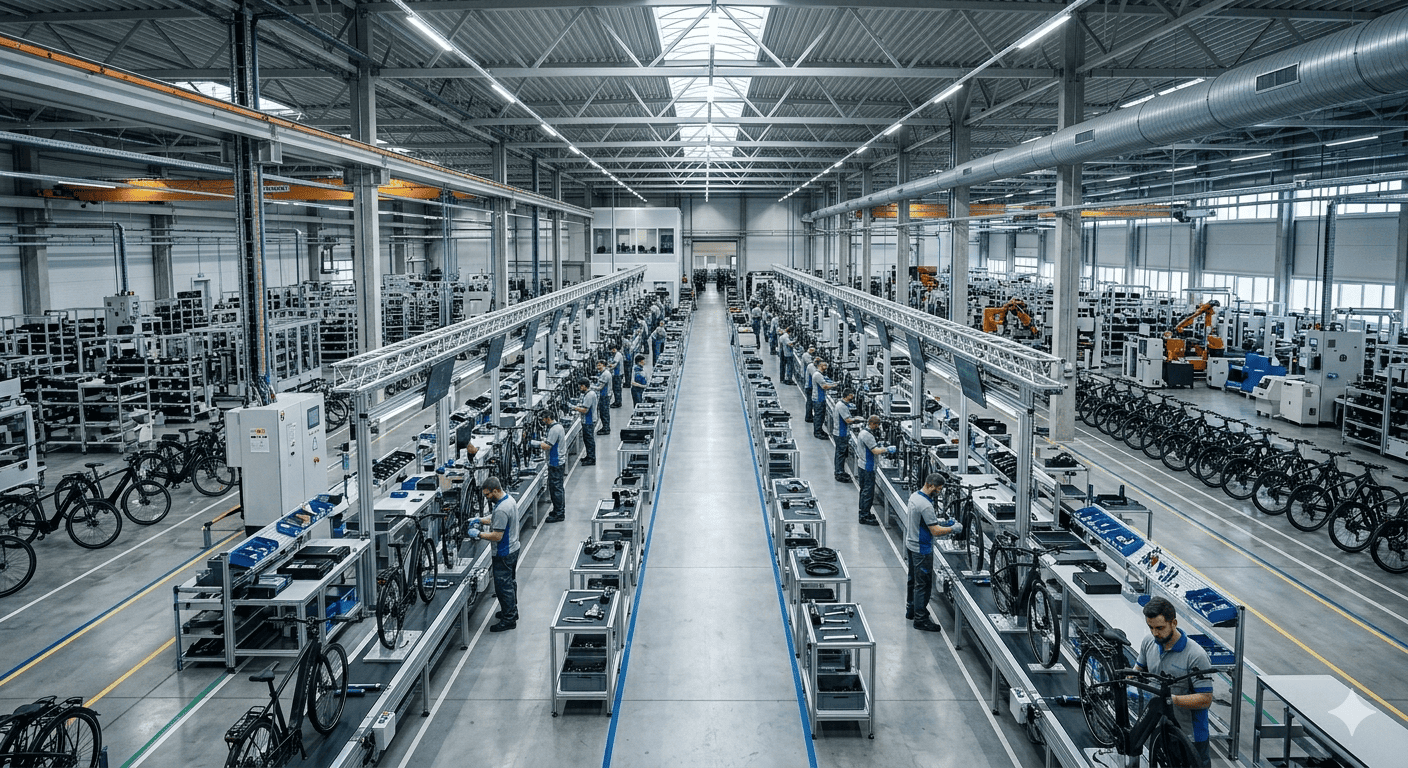
In my years of experience, I’ve learned that what a supplier shows on their Alibaba page or website can be very different from reality. Some are trading companies posing as manufacturers, while others are small workshops that have "borrowed" photos of a larger factory. The risk is immense—you have no control over quality, no direct line of communication, and no stability. A simple request for a live video call can cut through the deception. Ask the salesperson to walk you through the production floor right now. A legitimate manufacturer will be proud to do this. During the tour, observe the details. Is the space organized and clean? Are workers following clear procedures? Do you see distinct lines for frame preparation, painting, assembly, and packing? Or is it a chaotic jumble? A true manufacturer has clear departmentalization. The scale isn't about being the biggest; it's about being appropriate for your order size and having the professional processes in place to handle it.
Will They Let You Talk to Their Existing Customers?
The supplier's promises sound amazing. But what do their actual customers say? You need unbiased feedback before you commit to a large order and risk your investment.
A confident supplier with happy customers will not hesitate to provide references. Ask for contacts of one or two long-term clients in a non-competing market. This is the ultimate test of their credibility and the quality of their partnerships.
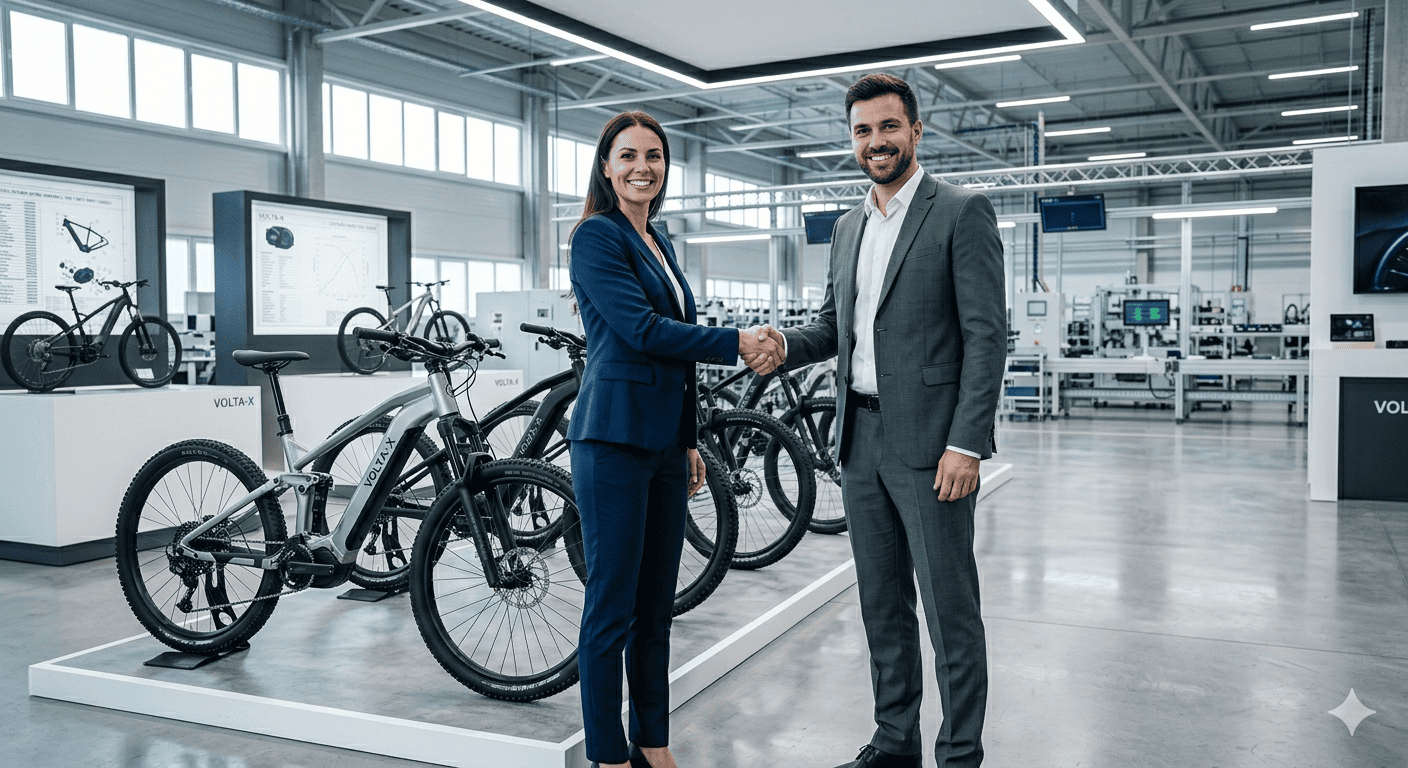
This is the characteristic that makes most suppliers nervous, and that's exactly why you should ask. If a supplier has a strong track record and builds good relationships, they will have clients who are willing to speak on their behalf. When you ask for a reference, their reaction is telling. If they immediately agree and ask for time to get permission from their client, that's a great sign. If they get defensive, make excuses ("all our clients are confidential"), or try to evade the question, it's a major warning. When you do speak to a reference, don't just ask "Are you happy?" Ask specific questions: "How do they handle problems when they arise?" "What was their communication like during production delays?" "Have you seen the quality remain consistent over multiple orders?" This third-party validation from a peer is one of the most powerful risk-reduction tools you have at your disposal.
Is Their Pricing a Reflection of Value or a Red Flag?
You found a supplier with an unbelievably low price. But what corners are they cutting to achieve it? A cheap price now can lead to expensive problems later.
The lowest price is rarely the best value. A good supplier provides a detailed quote that justifies their cost. It reflects quality components, robust testing, reliable after-sales support, and a stable production process. A price that's too low is a sign of compromise.
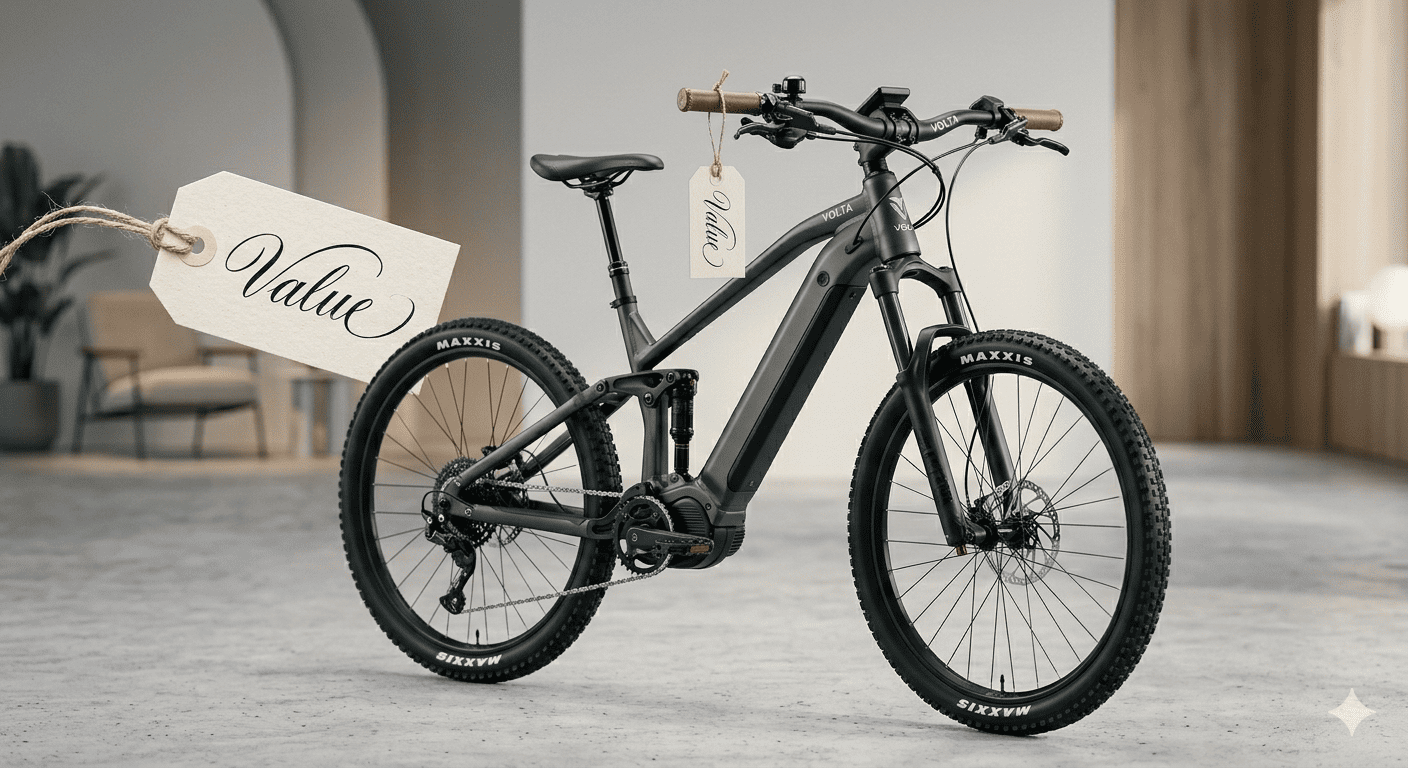
When a buyer tells me, "I found it cheaper elsewhere," my first question is always, "What is being left out?" In eBike manufacturing, an unusually low price is the biggest red flag of all. It almost always means corners are being cut in one of three critical areas: 1) Component Quality: using unbranded motors, low-grade battery cells, or flimsy frame materials. 2) Testing and QC: skipping essential safety tests and having minimal quality control on the assembly line. 3) Labor and Compliance: using underpaid labor or ignoring environmental and safety standards, which creates ethical and supply chain stability risks. A professional supplier can explain their pricing. They can show you the branded components on the Bill of Materials. They can walk you through the quality checks that add cost but ensure reliability. Instead of chasing the lowest number, look for the price that reflects true value and long-term peace of mind.
Conclusion
Choosing the right supplier is the most important decision you'll make. Look beyond certifications and price tags to verify consistency, transparency, and true eBike expertise for a successful partnership.
"E-Bikes Certification: Evaluating and Testing to UL 2849", https://www.ul.com/services/e-bikes-certificationevaluating-and-testing-ul-2849. Industry experience and domain expertise are recognized factors in supplier credibility assessments, though individual experience claims require independent verification through references, case studies, or professional credentials. Evidence role: general_support; source type: other. Supports: the importance of industry experience in supplier evaluation. Scope note: This citation supports the value of experience generally but cannot verify the specific 15-year claim made by the author. ↩
"ISO 9000 family — Quality management", https://www.iso.org/standards/popular/iso-9000-family. ISO 9001 is an internationally recognized quality management system standard that establishes baseline requirements for consistent processes and customer satisfaction, though certification alone does not guarantee operational excellence. Evidence role: definition; source type: institution. Supports: the purpose and baseline nature of ISO 9001 quality management certification. Scope note: The source describes the standard's purpose but does not specifically address its status as a 'baseline' in eBike manufacturing contexts. ↩
"Pre-shipment inspection - Wikipedia", https://en.wikipedia.org/wiki/Pre-shipment_inspection. Third-party inspection services provide independent verification of product quality, specifications, and manufacturing processes through pre-production, during-production, and pre-shipment inspections, helping buyers reduce risk when sourcing from distant suppliers. Evidence role: definition; source type: institution. Supports: the function of third-party inspection services in manufacturing quality assurance. ↩
"Quality assurance: Importance of systems and standard operating ...", https://pmc.ncbi.nlm.nih.gov/articles/PMC3088954/. Standard Operating Procedures (SOPs) are documented step-by-step instructions for routine operations that help ensure consistency, quality, and compliance in manufacturing by reducing variability in how tasks are performed across different workers and shifts. Evidence role: mechanism; source type: education. Supports: the function of Standard Operating Procedures in ensuring manufacturing consistency. ↩
"Best top 10 electric bike motor manufacturers - TruckRun", https://www.truckrun-e.com/ebike-blog/Best-eBike-Motor-Manufacturers. Shimano, Bafang, and Bosch are among the leading manufacturers of electric bicycle drive systems and components, with significant market presence across different price segments and geographic regions according to industry market analyses. Evidence role: expert_consensus; source type: research. Supports: the market presence of Shimano, Bafang, and Bosch as major eBike drive system manufacturers. Scope note: Market positions and brand reputations vary by region and product segment, and the eBike component market includes numerous other manufacturers. ↩
"General Provisions; Electric Bicycles - Federal Register", https://www.federalregister.gov/documents/2020/11/02/2020-22129/general-provisions-electric-bicycles. In the United States, Class 2 electric bicycles are defined by many state laws as bikes equipped with a throttle-actuated motor that ceases to provide assistance when the bicycle reaches 20 mph, based on model legislation developed to create consistent eBike classifications. Evidence role: definition; source type: government. Supports: the definition and characteristics of Class 2 eBikes in US regulatory frameworks. Scope note: eBike regulations vary by state and locality in the US, so Class 2 definitions may not be uniform across all jurisdictions. ↩
"Electric bicycle laws - Wikipedia", https://en.wikipedia.org/wiki/Electric_bicycle_laws. EN15194 is the European standard for Electrically Power Assisted Cycles (EPACs), defining safety and performance requirements including maximum speed, power assistance characteristics, and electrical safety for bicycles sold in European markets. Evidence role: definition; source type: government. Supports: the existence and scope of EN15194 as a European standard for electrically power assisted cycles. ↩
"Testing for Bicycles, E-Bikes, and Accessories | WO | TÜV Rheinland", https://www.tuv.com/world/en/bicycles-testing-e-bikes-components-accessories.html. TÜV (Technischer Überwachungsverein) organizations are independent testing and certification bodies that verify product compliance with European safety standards and regulations, including testing of electric bicycles against applicable EN standards for market access. Evidence role: definition; source type: institution. Supports: the role of TÜV organizations in product safety testing and certification in European markets. Scope note: TÜV certification is one of several pathways to demonstrate compliance; it is not universally mandatory for all eBike sales in Europe. ↩
"CPSC Warns Consumers to Immediately Stop Using Batteries for E ...", https://www.cpsc.gov/Warnings/2026/CPSC-Warns-Consumers-to-Immediately-Stop-Using-Batteries-for-E-Bikes-from-Rad-Power-Bikes-Due-to-Fire-Hazard-Risk-of-Serious-Injury-or-Death. Fire safety agencies and consumer protection organizations have documented increasing incidents of fires associated with lithium-ion batteries in electric bicycles and scooters, often linked to charging practices, battery damage, or use of non-certified components. Evidence role: statistic; source type: government. Supports: documented incidents of fires related to electric bicycle batteries. Scope note: Incident rates vary by region and reporting methodology, and many fires may go unreported or be attributed to general electrical causes rather than specifically to eBike batteries. ↩
"List of electric vehicle battery manufacturers - Wikipedia", https://en.wikipedia.org/wiki/List_of_electric_vehicle_battery_manufacturers. Samsung SDI, LG Energy Solution, and Panasonic are among the world's largest manufacturers of lithium-ion battery cells, collectively holding significant market share in electric vehicle and consumer electronics battery production according to industry analyses. Evidence role: expert_consensus; source type: research. Supports: the market position of Samsung, LG, and Panasonic as major lithium-ion battery cell manufacturers. Scope note: Market positions change over time, and 'reputable' is a qualitative assessment that extends beyond market share to include safety records and quality control. ↩
"Lithium Battery BMS: Battery Management System", https://www.flashbattery.tech/en/technology/battery-management-system/. A Battery Management System (BMS) monitors and controls lithium-ion battery parameters including voltage, current, and temperature, providing protection against overcharging, over-discharging, short circuits, and thermal runaway to enhance safety and longevity. Evidence role: mechanism; source type: education. Supports: the protective functions of Battery Management Systems in lithium-ion battery applications. ↩