
Are you feeling the pressure to move manufacturing out of China? You're not alone. But a rushed decision could be a costly mistake. Here's what you need to know.
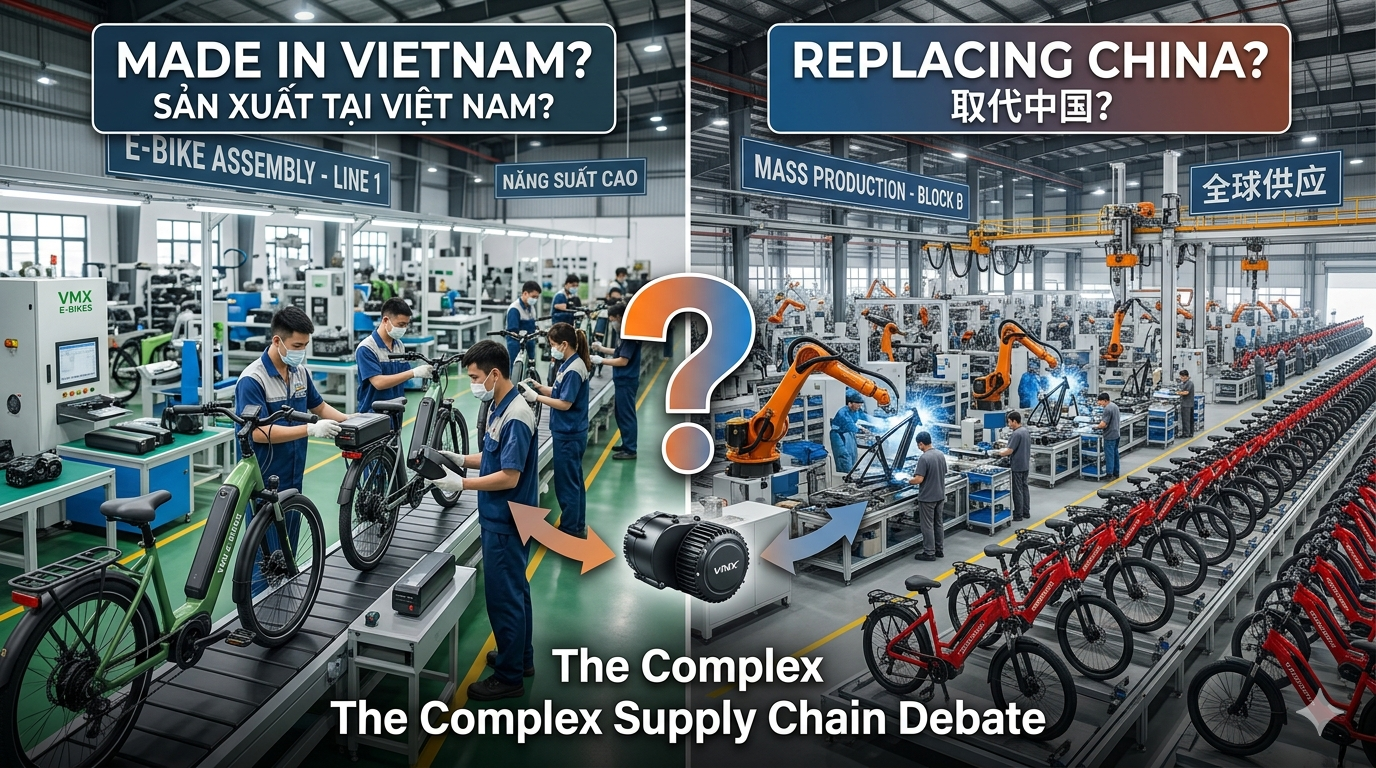
As a 15-year veteran in e-bike manufacturing, I've seen that Vietnam cannot fully replace China. It serves best as a complementary base, not a direct substitute. This is because Vietnamese factories still heavily depend on Chinese components, creating new logistical hurdles and hidden costs for unprepared buyers.
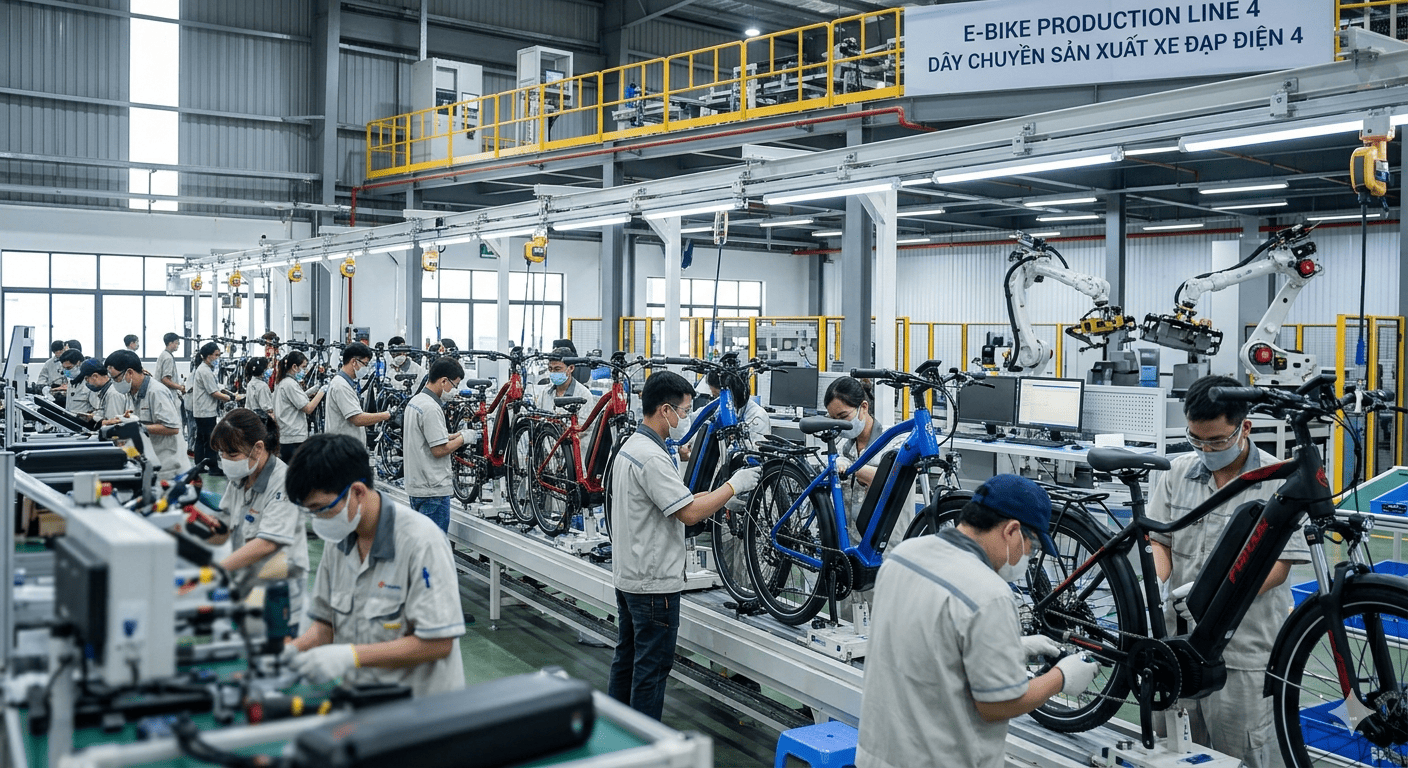
Over the past few years, the question I hear most from e-bike brands and distributors is, "Should we move our production to Vietnam?" The push comes from a real place—tariffs, supply chain disruptions1, and the desire to build a more resilient business. We've guided many partners through this exact evaluation process. Based on what we've seen on the ground, a successful move isn't about finding a "new China." It's about understanding the real trade-offs and asking the right questions before you commit. This article breaks down what we've learned from helping clients navigate this complex decision.
Does Moving to Vietnam Really Solve Your Supply Chain Dependency?
You're trying to de-risk your supply chain by moving production. But what if the new factory is just a different address with the same old dependencies? This is a critical point.
Shifting assembly to Vietnam doesn't end your reliance on China. We find most key e-bike components—batteries, motors, controllers—are still sourced from China. This adds cross-border logistics and may not fully insulate you from supply chain disruptions or tariff-related issues.
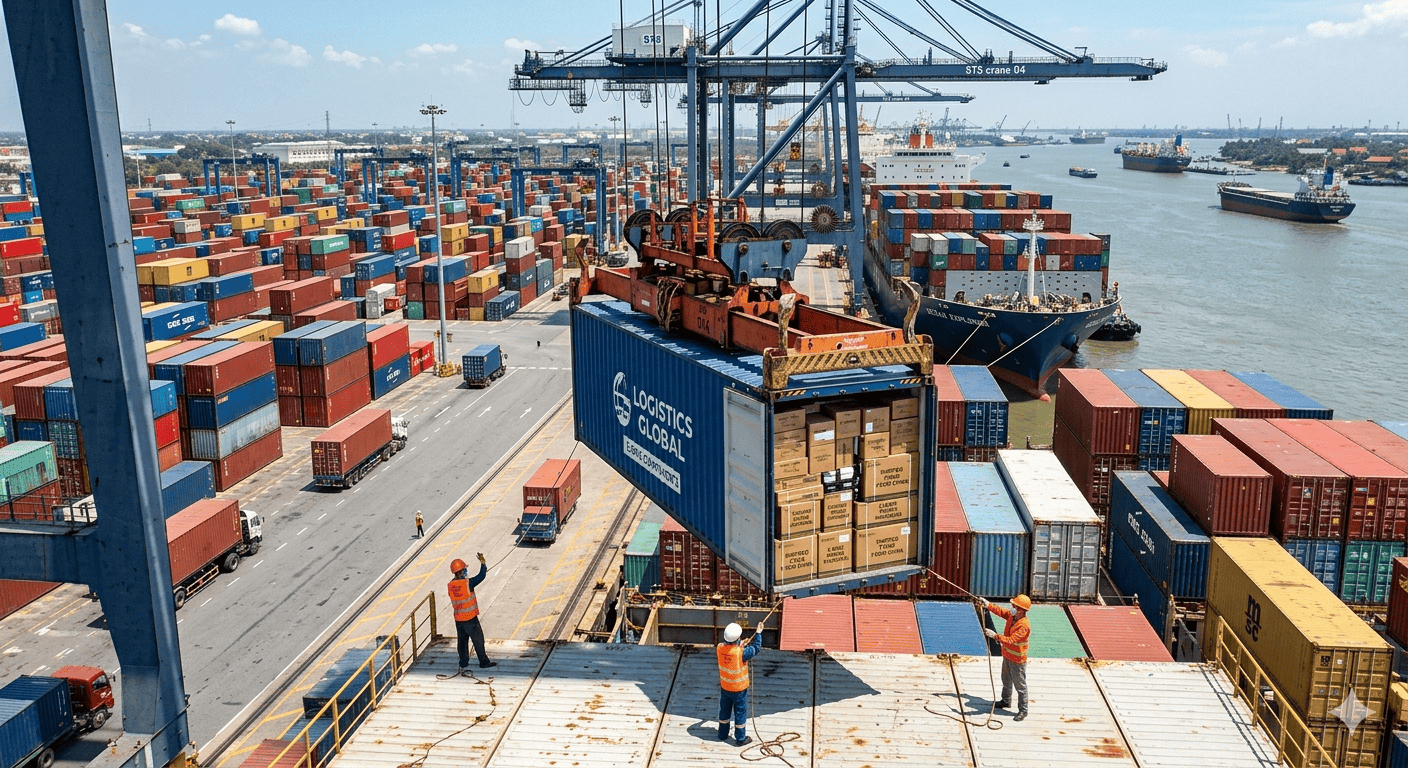
When we help clients evaluate a potential Vietnamese partner, the first thing we map out is the component supply chain. Many buyers are surprised to learn that while the final assembly happens in Vietnam, the heart of the e-bike is still Chinese. This creates a more complex, multi-stage logistics path that you need to manage.
The Component Trail Still Leads to China
The e-bike ecosystem in China is incredibly deep. It's not just about one factory; it's about a network of thousands of specialized sub-suppliers.
- Motors & Controllers: The expertise and scale for these high-tech parts are concentrated in China.
- Batteries: While cell production is global, the pack assembly, testing, and BMS (Battery Management System)2 integration is a mature industry in China.
- Frames & Forks: While some Vietnamese factories can produce frames, the variety, specialization, and raw material access are far greater in China.
A New Layer of Logistics
Instead of shipping a finished product from a Chinese port, you're now managing a two-step process:
- Inbound Logistics: Shipping crucial components from China to your new factory in Vietnam.
- Outbound Logistics: Shipping the finished e-bikes from Vietnam to your global markets.
This adds time, cost, and another point of potential failure. You need to ask potential partners how they manage this cross-border flow and what contingencies they have.
| Factor | Sourcing from China | Sourcing from Vietnam (with Chinese Parts) |
|---|---|---|
| Assembly Location | China | Vietnam |
| Component Source | Primarily China | Primarily China |
| Logistics Steps | 1 (Factory to Port) | 2+ (China -> Vietnam -> Global Port) |
| Customs Clearance | 1 Set | 2 Sets (China-VN, VN-Global) |
| Dependency | High on Chinese ecosystem | High on Chinese ecosystem + VN assembly |
What Are the Hidden Costs of Switching Your E-Bike Production to Vietnam?
The initial cost analysis looks promising. Lower labor rates3 and potential tariff savings can be very attractive. But the numbers on paper often miss the real-world transition costs we see daily.
Beyond the factory quote, you must budget for supplier onboarding, mold transfers, product re-certification, and extensive QC setup. From our experience, these "hidden" costs can delay projects by 6-12 months4 and add significant unexpected expenses.
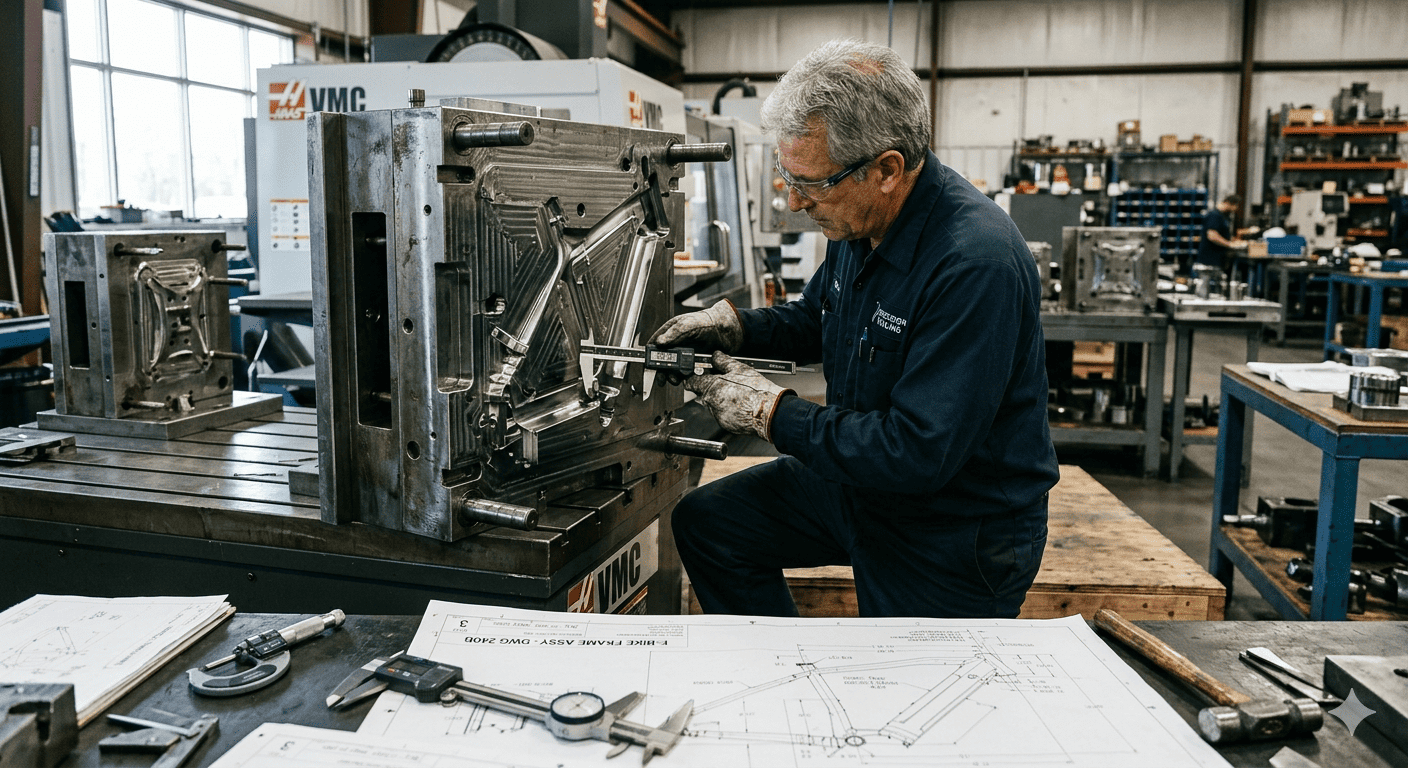
A successful transition is an investment, not just a switch. I always advise clients to create a separate "Transition Budget" to account for the expenses that fall outside the per-unit cost. Underestimating these can put your entire project at risk before the first e-bike is even built.
Onboarding, Tooling, and Ramp-Up
Your new factory is not a "plug-and-play" version of your old one. They have different processes, different equipment, and a different culture.
- Tooling Transfer: Moving your proprietary molds and tools is complex and risky. Often, it's safer but more expensive to create a duplicate set.
- Factory Audits: Beyond social compliance like BSCI5, you need in-depth technical and quality system audits. This requires travel and expert third-party involvement.
- Ramp-Up Time: No factory hits 100% efficiency on day one. Production will start slow, and you need to plan for lower output and higher initial defect rates as the team learns your product.
Certification and Compliance Headaches
A change in manufacturing location is a material change. This can trigger the need for expensive and time-consuming re-certification for your key markets.
- Product Safety: Standards like UL for North America or CE for Europe are tied to the specific factory of manufacture. A new factory means a new certification process.
- Intellectual Property: You'll need to work with legal experts to ensure your IP is protected under Vietnamese law.
| Transition Factor | Hidden Cost / Time Impact |
|---|---|
| New Molds & Tooling | $10,000 - $100,000+ per product line |
| Factory Audits (Technical & QC) | $5,000 - $25,000 + travel expenses |
| Product Re-certification (CE/UL) | $15,000 - $50,000 per model, 3-6 months |
| Team Travel & On-site Support | Significant investment for key personnel |
| Production Ramp-Up Delays | 3-6 months of below-target output |
Can Vietnam's Quality and Capabilities Match China's E-Bike Ecosystem?
You've found a factory with skilled workers and a clean shop floor. But is that enough? Building a modern e-bike requires more than just good assembly; it requires a deep technical support system.
Vietnam excels at high-quality, labor-intensive assembly. However, it lacks China's vast, integrated ecosystem for rapid prototyping, sourcing niche components, and on-the-spot engineering troubleshooting. The burden of technical problem-solving often falls more heavily on you, the buyer.
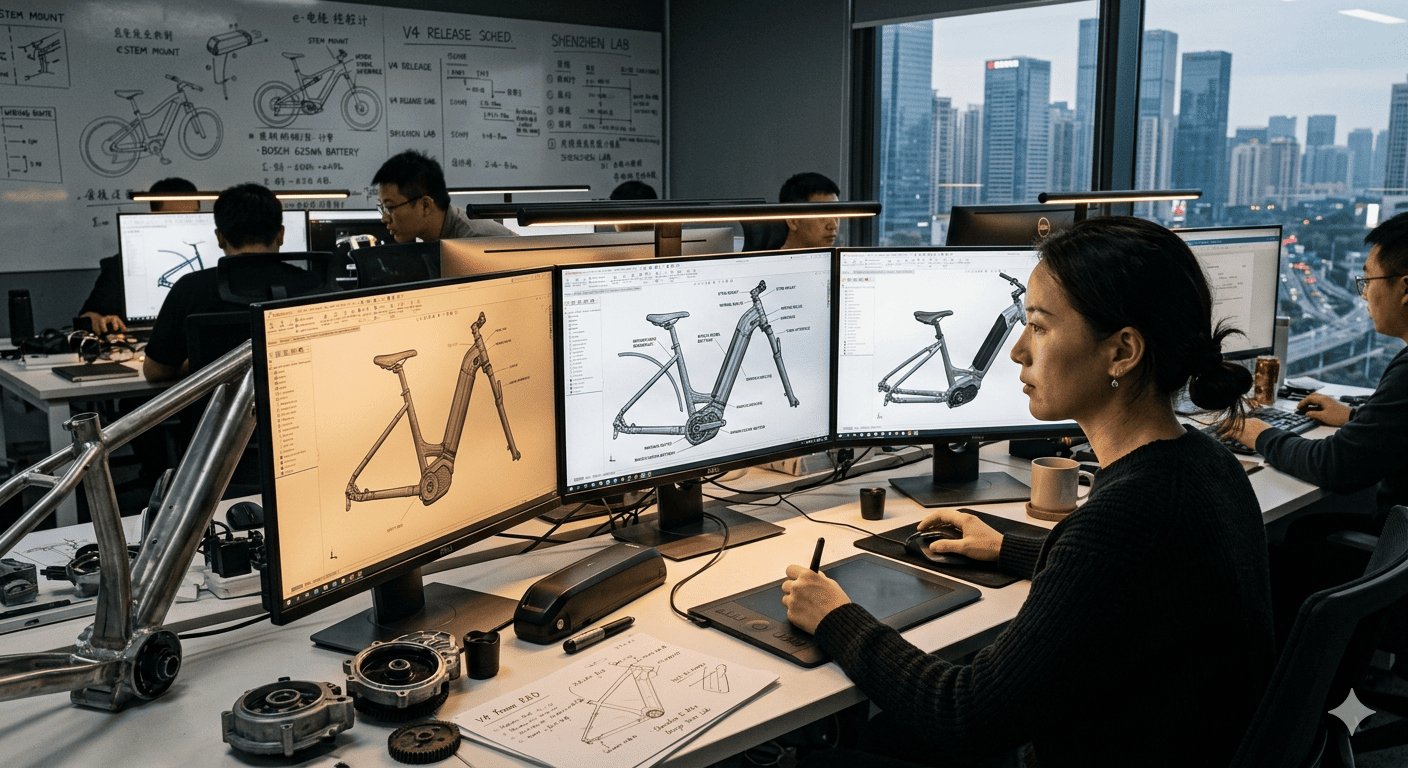
When we have a technical challenge with a product in China—say, a frame tolerance issue or a controller bug—we can often have an engineer from the sub-supplier at our factory within 24 hours. This proximity to deep expertise allows for incredibly fast problem-solving. In Vietnam, that same problem might require a video call, shipping parts back and forth, or flying an engineer in from another country. This is a fundamental difference in capability that buyers must plan for.
Assembly Strength vs. Ecosystem Depth
It's crucial to understand this distinction. Vietnam's workforce is known for being diligent and capable of producing high-quality finished goods6, provided they have clear instructions and a stable process. Where China has the edge is in the unstructured, chaotic, but innovative phases of manufacturing.
- Prototyping: Need a new frame design 3D-printed or a custom bracket machined overnight? That's simple in China's manufacturing hubs. It's a major challenge in Vietnam.
- Troubleshooting: When a component fails, the ability to quickly get the original component engineer involved is invaluable. This is a core strength of China's integrated ecosystem.
The Buyer's Quality Control Burden Increases
In China, a mature supplier often has a robust, time-tested quality system. While we always have our own QC, we can build upon their existing framework. In a newer manufacturing environment like Vietnam, we advise clients to assume more responsibility.
- System Building: You may need to help your Vietnamese partner build the specific quality control checks and documentation your product requires.
- Intensive Auditing: Your on-the-ground presence, or that of your trusted third-party inspectors, becomes even more critical during the initial years of partnership to ensure standards are maintained. This is true even for factories with ISO9001 certification7, as the application of the system to your specific product needs verification.
So, When Does Manufacturing E-Bikes in Vietnam Actually Make Sense?
Given the challenges, you might be wondering why anyone moves. But it's not about avoiding challenges; it's about choosing them. The key is aligning the strategy with your specific goals.
Vietnam is an excellent choice for a "China Plus One8" diversification strategy. It mitigates geopolitical risk9 and adds supply chain flexibility for established, high-volume products. It is not a shortcut for brands seeking the absolute lowest cost or rapid innovation.
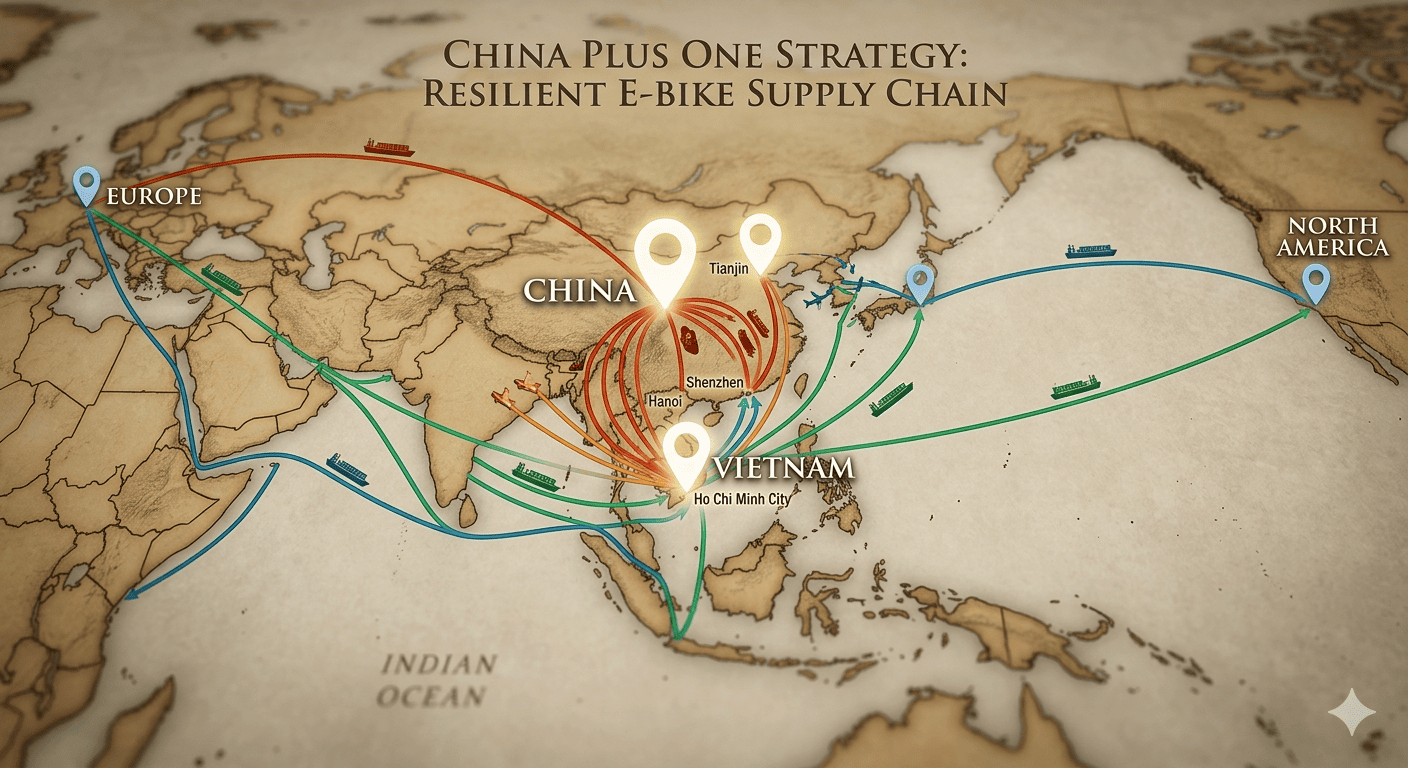
The most successful transitions we've supported were not driven by panic but by a long-term strategic vision. These companies weren't abandoning China; they were building resilience by adding a second pillar to their manufacturing base. This "China +1" approach allows you to leverage the strengths of both regions. You can keep new product development and complex projects in China to leverage its ecosystem, while moving mature, stable product lines to Vietnam to benefit from its skilled labor and risk diversification.
Your Decision Framework
This isn't a one-size-fits-all decision. Use this framework to clarify your own priorities. The right choice depends on your business's unique needs, resources, and risk tolerance. We've seen clients succeed wildly and fail quietly, and the difference often comes down to this initial self-assessment.
| You Might Choose Vietnam If... | You Might Stay Focused on China If... |
|---|---|
| Your primary goal is geopolitical risk mitigation. | Your primary goal is speed-to-market and lowest total cost. |
| You have high-volume, stable product designs with few changes. | You need rapid product development and frequent iteration. |
| Your product's value is in labor-intensive assembly. | Your product relies on a complex or niche component supply chain. |
| You have the resources to manage a dual supply chain. | You are a startup or have limited resources for supplier management. |
Conclusion
Vietnam is a powerful option, but not a replacement for China. For the right company with the right strategy, it's a smart move toward building a more resilient global supply chain.
"Asia must prioritize regional cooperation for economic resilience ...", https://www.brookings.edu/articles/asia-must-prioritize-regional-cooperation-for-economic-resilience-amid-tariff-uncertainty/. ↩
"What is a Battery Management System (BMS)? – How it Works", https://www.synopsys.com/glossary/what-is-a-battery-management-system.html. ↩
"Vietnam vs. China Manufacturing: Cost, Quality, and Logistics ...", https://www.vietnam-briefing.com/news/vietnam-versus-china-manufacturing-cost-quality-infrastructure-comparison.html/. ↩
"Reshoring Decisions for Adjusting Supply Chains in a Changing World", https://pmc.ncbi.nlm.nih.gov/articles/PMC8124292/. ↩
"amfori BSCI - Business Social Compliance Initiative", https://www.amfori.org/amfori-bsci/. ↩
"Vietnam's manufacturing miracle: Lessons for developing countries", https://www.brookings.edu/articles/vietnams-manufacturing-miracle-lessons-for-developing-countries/. ↩
"Quality management systems: An introduction - ISO", https://www.iso.org/quality-management/what-is-qms. ↩
"China Plus One - Wikipedia", https://en.wikipedia.org/wiki/China_Plus_One. ↩
"Stay Ahead of Geopolitical Supply Chain Risks", https://sloanreview.mit.edu/article/stay-ahead-of-geopolitical-supply-chain-risks/. ↩