
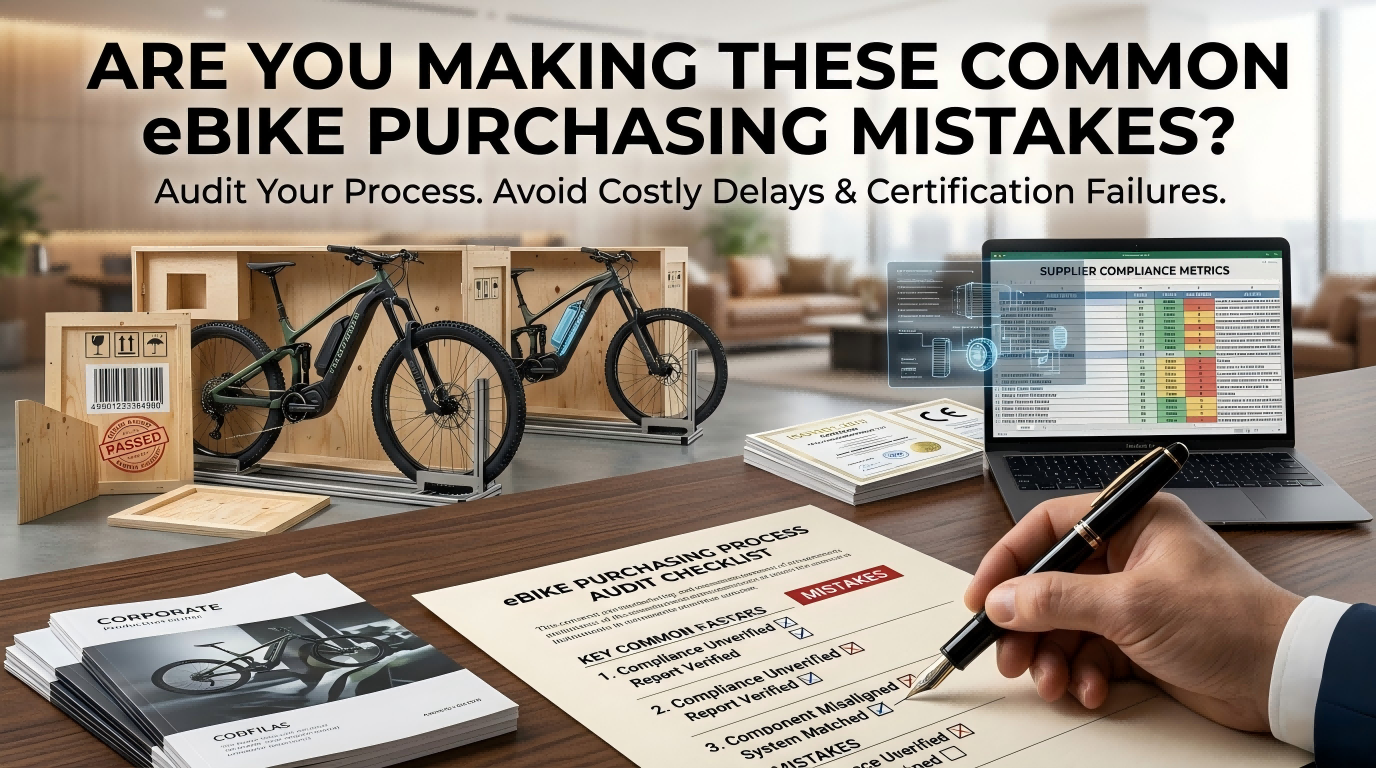
Sourcing eBikes feels complex, and you fear a misstep could cost you. Choosing the wrong partner based on incomplete information is a real risk that can derail your brand.
The biggest mistakes come from focusing on product specs instead of supplier capabilities. Buyers often accept supplier claims without asking critical questions about certification processes, supply chain stability, and real-world after-sales support. This creates a gap between what is promised and what is delivered.
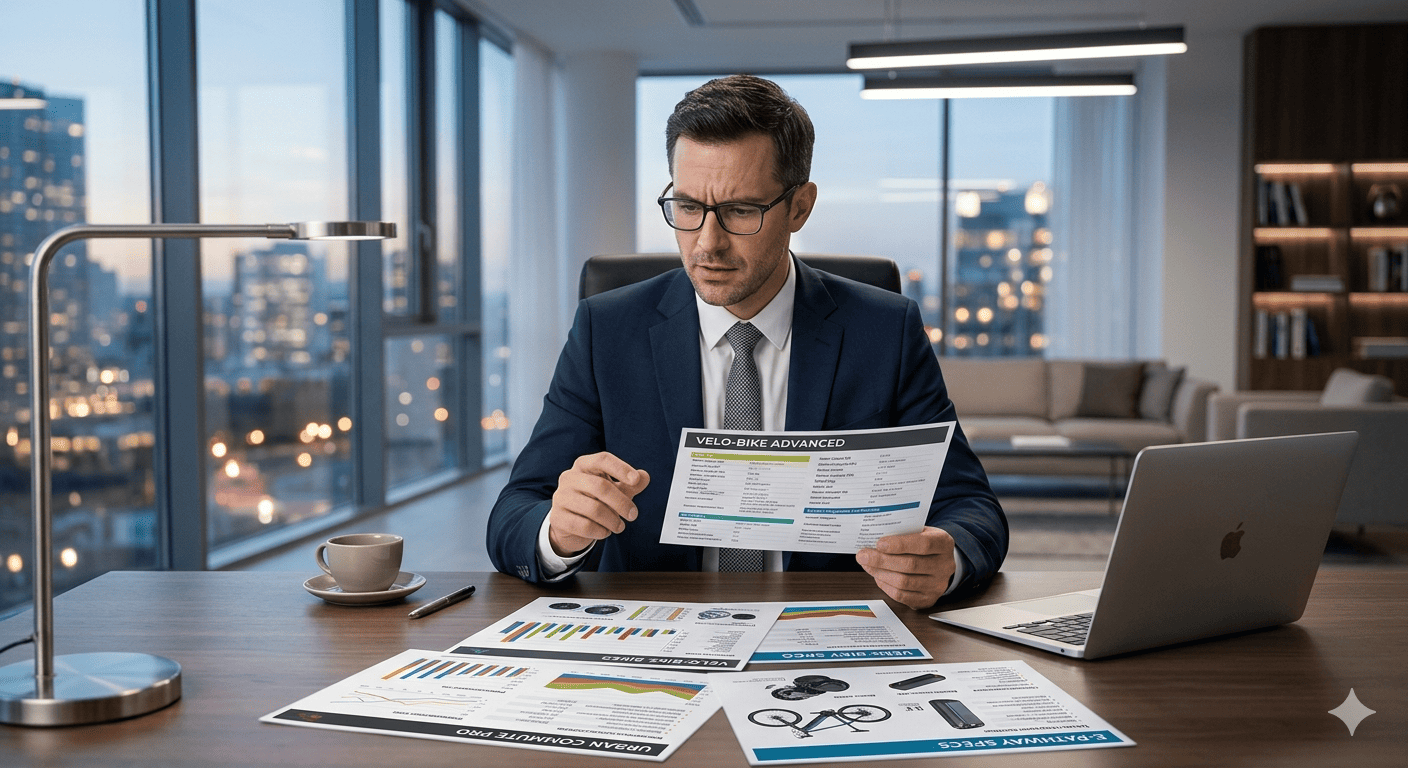
Over my 15 years in eBike manufacturing, I have had thousands of conversations with new brand owners and established bicycle companies. The same issues appear again and again. It is not about a lack of knowledge on their part. It is about information gaps created when buyers ask one question, and suppliers provide a simple answer to a much more complex reality. Let's look at the questions you should be asking to get the full picture.
Are You Mistaking a Spec Sheet for a Business Plan?
You have a list of desired components and performance metrics. But this checklist will not protect you from compliance failures or supply chain delays that can cripple your business launch.
A spec sheet describes a product, not a partnership. Focusing only on motor wattage or battery range ignores crucial business risks like certification validity, spare parts availability, and after-sales liability. A good supplier helps you navigate these, not just tick boxes on a component list.
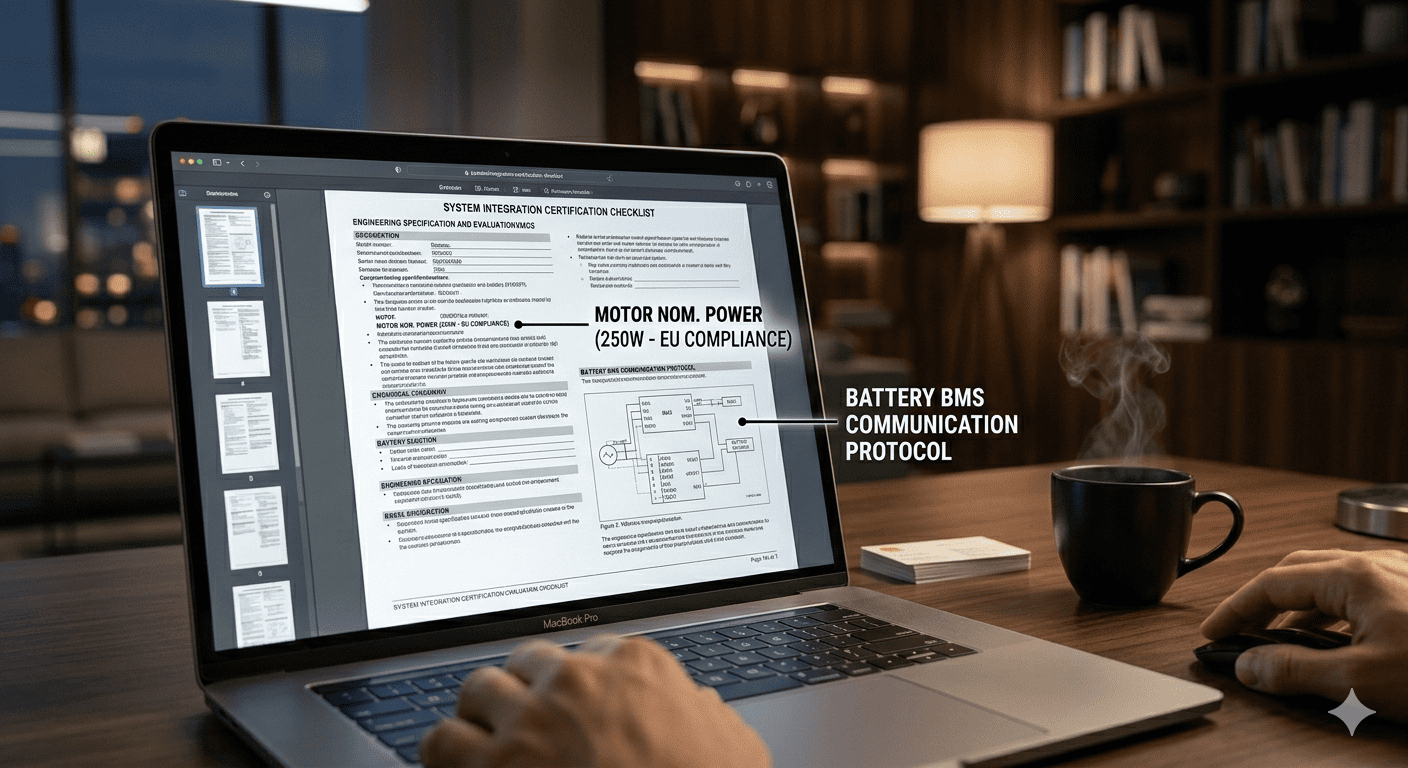
In our customer conversations, a frequent first question is about certification. A buyer will ask, "Is this model EN15194 certified1?" A simple "yes" from a supplier seems like enough. But this is a huge mistake. The real issue is not if a certificate exists, but if it is valid, complete, and applicable to your specific market configuration. A "yes" might refer to a certificate for a different battery or controller combination, making it invalid for your order. You need to go deeper. Instead of asking for a simple confirmation, you need to probe the supplier's process and proof. This same logic applies to after-sales support, a critical factor for your brand's reputation. Vague promises are worthless without a defined process.
Here is how you can reframe your questions to get meaningful answers:
| The Simple Question (The Mistake) | The Better Question (The Solution) | Why It Matters |
|---|---|---|
| "Is this eBike certified?" | "Can you provide the full EN15194 test report from a recognized lab like TÜV or SGS2 for this exact component configuration?" | This verifies the claim with proof and shows the supplier understands market-specific compliance details. |
| "Do you offer spare parts?" | "What is your documented process and guaranteed lead time for supplying critical spare parts, like batteries and controllers, for the next 3-5 years3?" | This moves beyond a simple "yes" to secure a concrete, long-term commitment that protects your customers and your brand. |
| "What is the warranty?" | "Can you explain your warranty claim process? What is the procedure if a customer reports a faulty motor, and who bears the cost of shipping and replacement?" | This clarifies the actual liability and operational steps, preventing future disputes and hidden costs. |
How Can You Tell a Capable Supplier from a Good Salesperson?
Many suppliers present a perfect image with impressive websites and quick quotes. But a smooth sales process does not guarantee a reliable manufacturing partner who can handle real-world production challenges.
A salesperson sells you a product; a true partner helps you build a business. You can tell the difference by asking questions that test their operational depth. Ask about their supply chain dependencies, quality control checkpoints, and how they have handled past production crises. Their answers reveal their experience.
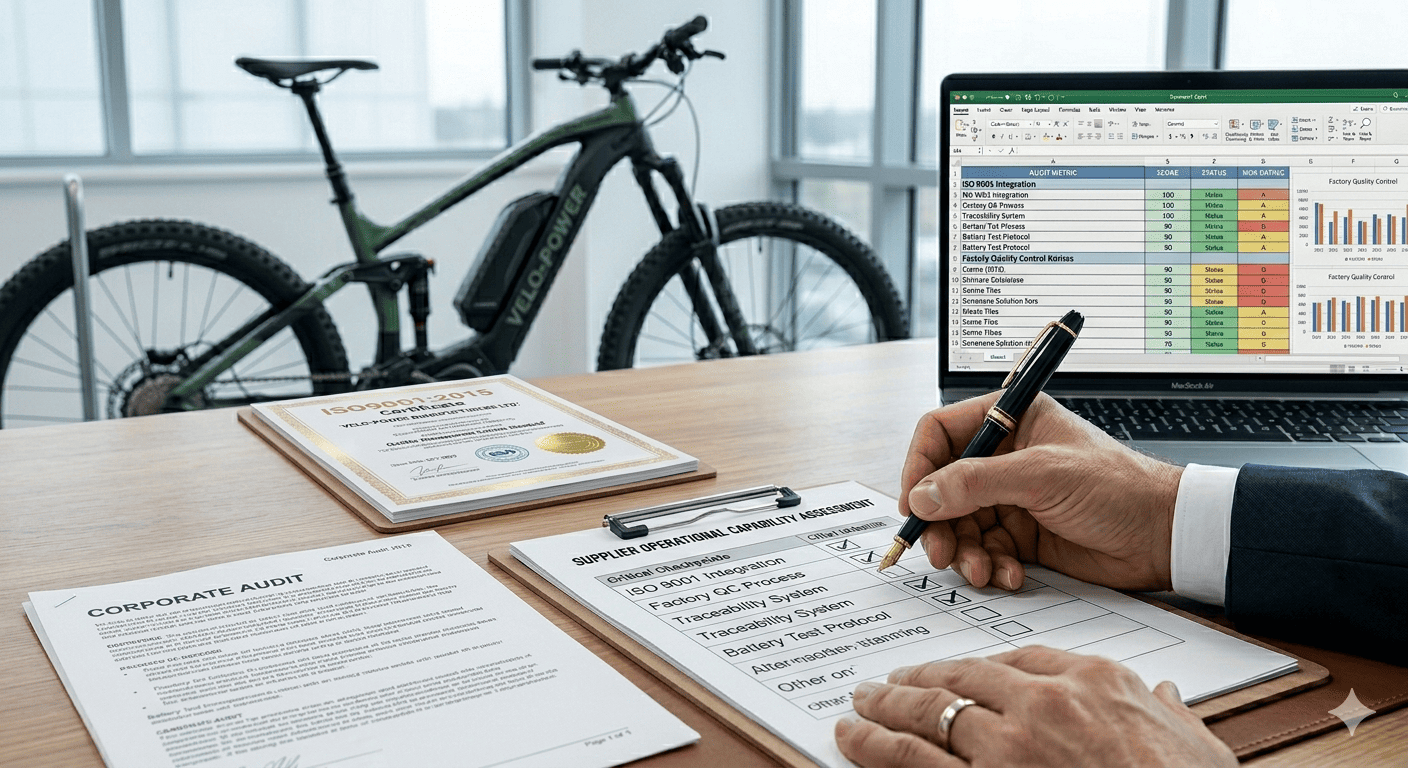
A common mistake I see is buyers collecting quotes and comparing them based on price for a similar specification. This approach treats eBikes like a commodity. It forces suppliers to compete on price, which often leads to cut corners in areas you cannot see, like internal component quality or assembly line checks. A lower price is often a red flag, not a good deal. A truly capable manufacturer can justify their costs through robust processes. Your job is to test for those processes. A good salesperson has answers. A good partner has evidence and detailed procedures. You need to ask questions that force them to reveal their operational reality, not just their sales pitch.
Here are some questions to probe a supplier’s actual capabilities:
Testing for Production Management
Instead of asking, "What is your lead time?" try this: "If we place an order for 500 units, can you walk me through the production schedule from day one? Please include key milestones for frame welding, painting, component sourcing, assembly, and final QC4. What are the two biggest risks for delay in your current supply chain, and how do you manage them?" This question moves beyond a simple number. It forces the supplier to demonstrate their project management skills and supply chain awareness. An experienced manufacturer will be able to discuss potential bottlenecks with specific components and explain their backup plans.
Testing for Quality Control
Instead of asking, "Do you perform quality control?" try this: "Describe your QC process for incoming battery cells before they are assembled into packs5. What specific tests do you run for capacity, internal resistance, and consistency6? What is your procedure if a batch of cells from your supplier fails these tests?" This question focuses on one of the most critical and high-risk components of an eBike. A vague answer like "we test everything" is a warning sign. A capable partner will describe their equipment (like cell sorters and capacity testers), their parameters for acceptance, and their documented process for rejecting bad batches. This is how you verify that their ISO9001 certification7 is a practice, not just a piece of paper.
Are Your First Questions to a Supplier Setting You Up for Failure?
The first email or call you make to a potential supplier sets the tone for the entire relationship. Asking only about price and features signals that you are a transactional buyer, not a long-term partner.
Your initial questions reveal your priorities. If you start by asking for the "best price" on a generic model, you invite suppliers to compete on cost, often by cutting corners. Instead, start by introducing your brand, your market, and your long-term goals to find a strategic partner.
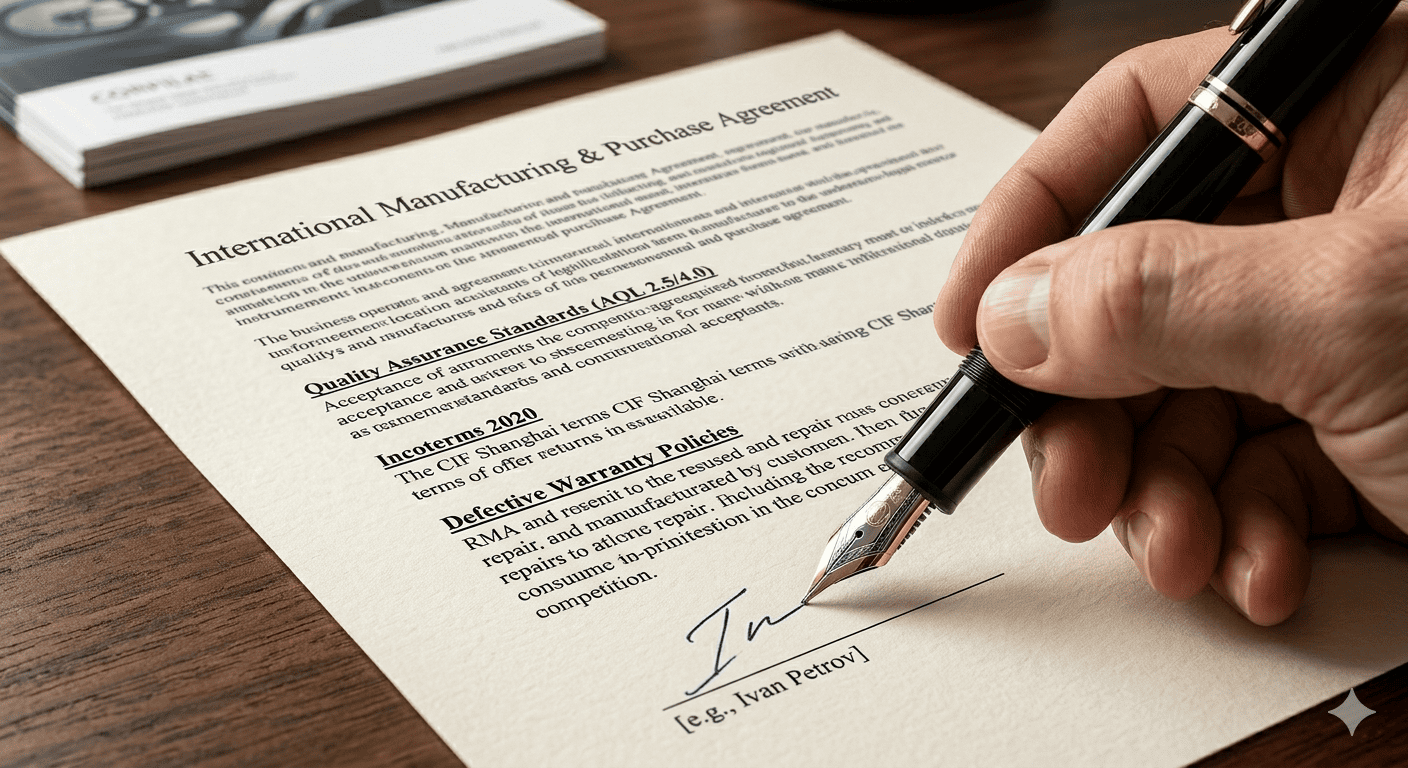
Every day, my team and I receive dozens of inquiries from potential buyers around the world. I can tell a lot about a potential partnership from the first few sentences. The inquiries that lead to successful, multi-year relationships almost never start with a demand for the lowest price. They start with a conversation about a business goal. The type of question you ask frames the entire supplier relationship. It positions you as either a price-shopper to be managed or a partner to be collaborated with. One path leads to constant problems and surprises; the other leads to a stable and profitable business.
Let's compare two common inquiry styles I see:
Inquiry Type 1: The Price Shopper
"Hi, Send price for 500W fat tire ebike8. What is MOQ9 and best price for 200 units? Thanks"
This message tells me the buyer is focused on a single transaction. They are inviting a race to the bottom on price. A supplier responding to this will likely quote a base model with the cheapest possible components to win the business. Important details about compliance, warranty, and part quality will be left out. This approach almost always leads to future problems.
Inquiry Type 2: The Partner Seeker
"Hello, We are [Brand Name], a new company launching in the US market. We are focused on building a reliable commuter eBike for urban riders10. Our priority is long-term reliability and excellent after-sales support. Could you recommend a model that fits this need? We are interested in how you ensure the quality of your battery packs and what your process is for supplying spare parts to the US. Thank you"
This message starts a completely different conversation. It tells me the buyer is serious and understands the market. They are thinking about the total cost of ownership11 and brand reputation. This allows us to respond not with a price, but with a solution. We can discuss appropriate components, our quality assurance processes, and how we can support their business goals. This is the foundation of a strong partnership.
Conclusion
Ultimately, successful eBike purchasing is about shifting your questions from 'what' (specs, price) to 'how' (process, quality control, risk management). This finds you a partner, not just a supplier.
"[PDF] Summary of Electric and Non- Powered Bicycle Standards", https://www.cpsc.gov/s3fs-public/Electric-and-Non-Powered-Bicycle-Standards-Summary-Report.pdf?VersionId=rZGs9tSONCKqT8AEaJJMZd_S1nDJpKEW. EN15194 is the European standard specifying safety and performance requirements for electrically power assisted cycles, covering aspects such as electrical systems, mechanical safety, and electromagnetic compatibility. Evidence role: definition; source type: government. Supports: EN15194 is the European standard for electrically power assisted cycles (EPACs). ↩
"SGS | Occupational Safety and Health Administration", http://www.osha.gov/nationally-recognized-testing-laboratory-program/sgs. TÜV (Technischer Überwachungsverein) and SGS are internationally accredited testing, inspection, and certification bodies that provide third-party verification services across multiple industries including consumer products. Evidence role: general_support; source type: institution. Supports: TÜV and SGS are internationally recognized testing and certification organizations. Scope note: This supports their general recognition but does not specifically verify their eBike testing capabilities ↩
"Will there be replacement parts in 10 years? : r/ebikes - Reddit", https://www.reddit.com/r/ebikes/comments/1ckih50/will_there_be_replacement_parts_in_10_years/. EU regulations and various national consumer protection laws increasingly require manufacturers to ensure availability of spare parts for reasonable periods to support product repairability and longevity, with timeframes varying by product category. Evidence role: general_support; source type: government. Supports: Extended spare parts availability is increasingly required under consumer protection regulations. Scope note: This provides regulatory context but does not establish 3-5 years as a specific standard for eBikes ↩
"Bicycle Manufacturing Process | PPTX - Slideshare", https://www.slideshare.net/slideshow/bicycle-manufacturing-process/79418129. Standard bicycle manufacturing processes include frame fabrication (welding/bonding), surface treatment (painting/coating), component procurement, assembly operations, and quality inspection, with eBikes adding electrical system integration and testing stages. Evidence role: general_support; source type: education. Supports: Bicycle manufacturing follows established stages from frame fabrication through final assembly. Scope note: This describes general bicycle manufacturing; eBike-specific stages may vary by manufacturer ↩
"Battery Research and Manufacturing | Battery Quality Control - US", https://www.thermofisher.com/us/en/home/materials-science/battery-research/applications/quality-control.html. Research on lithium-ion battery manufacturing demonstrates that cell-to-cell variation in capacity and internal resistance can lead to imbalanced charging, reduced pack performance, and safety risks; systematic testing and matching of cells before pack assembly is considered essential quality control practice. Evidence role: mechanism; source type: research. Supports: Cell-level testing and matching is critical for battery pack safety and performance. ↩
"Testing Lithium-ion Batteries-Electrochemical Measurements Gamry ...", https://www.gamry.com/application-notes/battery-research/testing-lithium-ion-batteries/. Battery engineering literature identifies capacity (energy storage), internal resistance (power delivery and heat generation), and cell-to-cell consistency as the primary parameters affecting battery pack performance, longevity, and safety in applications requiring series-parallel cell configurations. Evidence role: expert_consensus; source type: education. Supports: Capacity, internal resistance, and cell-to-cell consistency are fundamental quality metrics for lithium-ion cells. ↩
"ISO 9000 family - Wikipedia", https://en.wikipedia.org/wiki/ISO_9000_family. ISO9001, published by the International Organization for Standardization, specifies requirements for a quality management system that organizations can use to demonstrate their ability to consistently provide products and services that meet customer and regulatory requirements. Evidence role: definition; source type: institution. Supports: ISO9001 is the international standard for quality management systems. ↩
"Electric bicycle laws - Wikipedia", https://en.wikipedia.org/wiki/Electric_bicycle_laws. Electric bicycle regulations vary significantly by jurisdiction: the EU limits motor power to 250W for pedal-assist vehicles, while the US allows up to 750W in many states, and other markets have different thresholds, making power specification a market-specific consideration. Evidence role: general_support; source type: government. Supports: eBike power ratings are subject to varying legal limits across jurisdictions. ↩
"Minimum Order Quantity (MOQ): Formula, Tips, & Benefits", https://dclcorp.com/blog/inventory/minimum-order-quantity-moq/. Minimum Order Quantity (MOQ) refers to the lowest quantity of a product that a supplier is willing to sell in a single order, commonly used in manufacturing and wholesale to ensure production runs are economically viable. Evidence role: definition; source type: encyclopedia. Supports: MOQ is a standard business term in manufacturing and wholesale. ↩
"Electric Bikes Statistics | PeopleForBikes", https://www.peopleforbikes.org/statistics/electric-bikes. Transportation research indicates that urban commuting and short-distance travel constitute significant use cases for electric bicycles, with studies showing eBikes are particularly adopted in cities for commutes under 10 kilometers as alternatives to cars and public transit. Evidence role: general_support; source type: research. Supports: Urban commuting represents a major segment of eBike usage. Scope note: This provides general market context but does not quantify the exact proportion of urban commuter users ↩
"Calculating Total Cost of Ownership (TCO)", https://support.csuchico.edu/TDClient/1984/Portal/KB/ArticleDet?ID=115059. Total cost of ownership (TCO) is a financial estimate that encompasses not only the initial purchase price but all direct and indirect costs associated with acquiring, operating, maintaining, and eventually disposing of a product or system over its entire lifecycle. Evidence role: definition; source type: encyclopedia. Supports: Total cost of ownership includes all costs associated with a product throughout its lifecycle. ↩