
Worried your e-bike shipment could be detained by customs? These delays cost money and damage your reputation. You need a clear plan to avoid these risks.
To avoid WRO detentions1, don't just avoid certain regions. Instead, implement a repeatable supplier audit process. This means asking specific due diligence questions and verifying your entire supply chain's transparency before, during, and after you partner with a supplier.
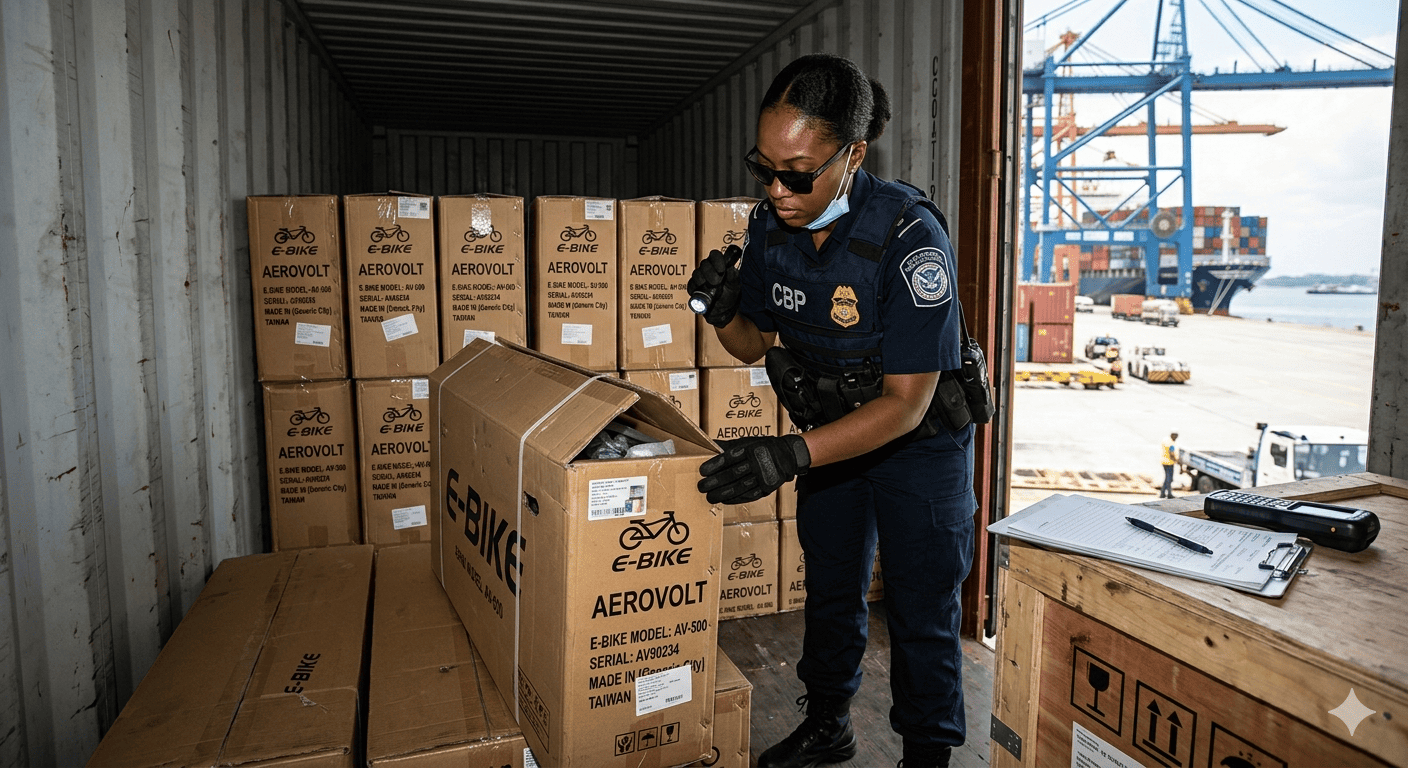
I learned this the hard way. A client of mine had a container of e-bikes stopped by customs. They thought they were safe because their supplier was in a "low-risk" area. The problem was deeper in their supply chain. This experience taught me that avoiding risk isn't about location, but about process. This is the same detailed process I use for my clients in the maternal and infant products industry2, and it works just as well for e-bikes. Let's break down that process so you can protect your business.
What Questions Should I Ask a New Supplier Before Signing a Contract?
Choosing a new supplier feels like a gamble. You're worried they might have hidden compliance issues. A wrong choice could lead to major problems and lost investment.
Before signing anything, ask for a complete list of their Tier 2 suppliers3, especially for key components like motors, batteries, and frames4. Also, request their social compliance audit history5 and proof of their raw material sourcing policies. This initial screening is your first line of defense.

We need to turn vague worries into specific questions. Simply asking "Are you WRO compliant?" is not enough. The factory will always say yes. You need to ask for evidence. I always start with a pre-qualification questionnaire that forces them to provide documents, not just "yes" or "no" answers. For instance, instead of asking if they use forced labor6, ask for their most recent third-party social compliance audit report, like a BSCI or SMETA report7. This shows you their real practices, not just their promises. An honest supplier with nothing to hide will be willing to share this information. A supplier who pushes back or makes excuses is an immediate red flag. This initial step helps you screen out risky partners before you invest any serious time or money.
Key Pre-Contract Questions
| Question Area | Specific Question to Ask | Why It Matters |
|---|---|---|
| Subcontractors | "Can you provide a list of all suppliers for key components (motor, battery, frame)?" | This reveals the Tier 2 supply chain where WRO risks often hide, even if the final assembler is in a "safe" region. |
| Raw Materials | "What is your policy for tracing the origin of raw materials like lithium and aluminum8?" | This shows if they have systems in place to prevent sourcing from high-risk zones or entities under sanctions. |
| Audits | "Can you share your latest social compliance audit report from a third party?" | An independent report from a recognized body is much more trustworthy than the factory's own claims about their labor practices. |
| Labor Policies | "Can we review your employee handbook and hiring procedures?" | This gives you insight into their official policies on worker rights, recruitment, and management, which you can later verify on-site. |
How Do I Verify a Supplier's WRO Compliance During Onboarding?
You've chosen a supplier, but doubts remain. How can you be sure their documents are real? You need a solid verification process to avoid being deceived and facing detentions.
Verification is about cross-referencing claims. Use a factory audit to physically confirm what they told you. Match the subcontractor list they gave you with the names on boxes in their warehouse. Review employee records to confirm hiring practices. Trust, but always verify.
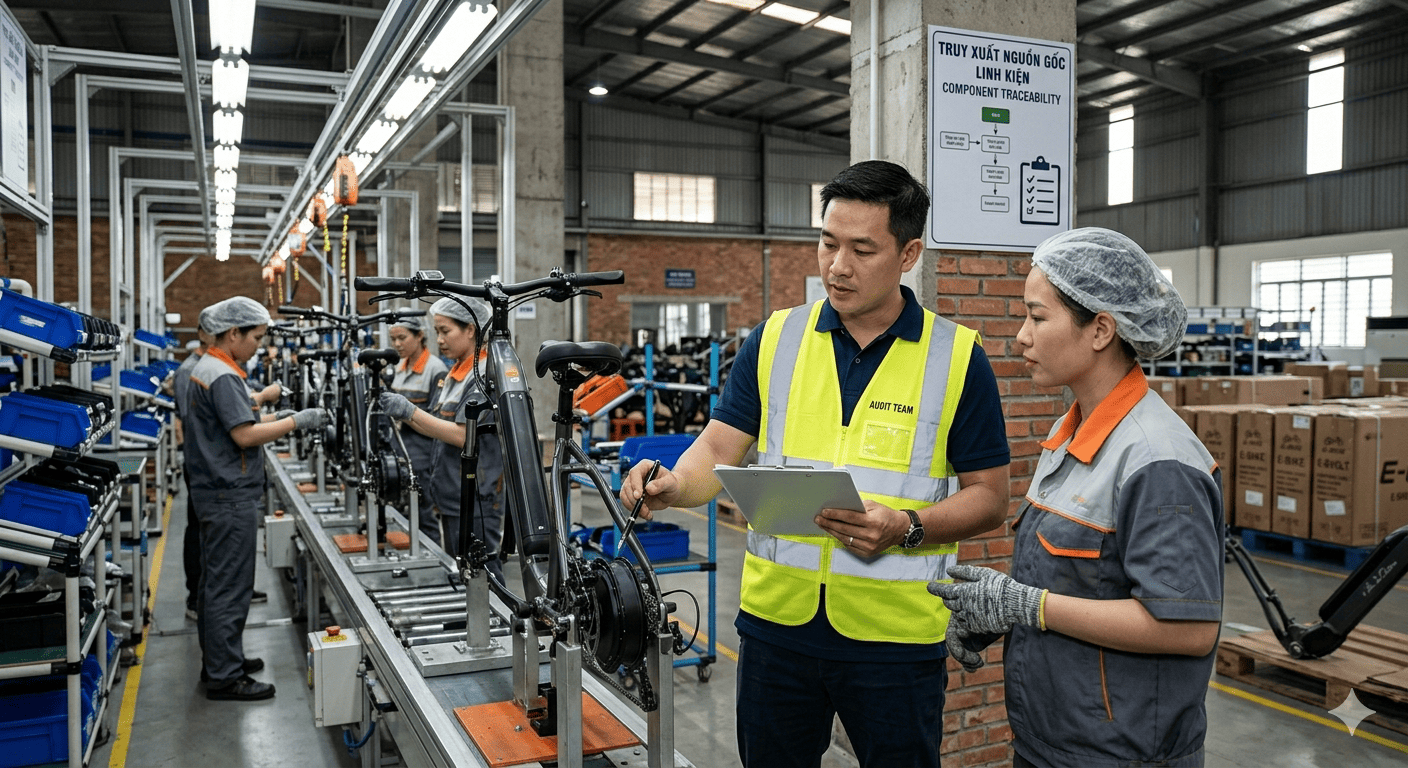
Onboarding is where you turn paper promises into verified facts. This is where my team and I spend most of our time for clients. I had a client sourcing e-bike battery packs from a supplier in Thailand. On paper, everything looked clean. But during our first on-site audit, we noticed the lithium cells came in boxes from an unlisted subcontractor. A quick search showed this subcontractor was linked to a high-risk region. We caught this before mass production started, saving the client from a potential seizure of their entire shipment. You must do the same. A factory audit is not just about checking product quality; it is about finding any disconnect between what a supplier said and what is actually happening in their facility. This is your chance to walk the factory floor and see the truth with your own eyes.
Onboarding Verification Checklist
| Verification Step | Action Required | What to Look For |
|---|---|---|
| Factory Walk-through | Physically inspect component inventory, raw material storage, and shipping boxes on the assembly line. | Mismatches between the approved supplier list and the labels on actual parts. Any components from unknown or unvetted sources are a major red flag. |
| Document Review | Ask to see a sample of employee contracts, payroll records, and timecards on-site. | Evidence of restricted movement, withheld wages, excessive overtime9, or other labor violations that might be flagged by customs. |
| Subcontractor Check | During the audit, ask the factory manager how they selected and vetted the supplier for a specific component, like the motor. | A clear, documented process shows they take their supply chain seriously. Vague answers suggest a lack of control and increased risk. |
| Material Traceability | Ask them to demonstrate how they trace a single batch of a key raw material from arrival to final product. | A documented, traceable system is essential. If they can't show you a clear paper trail, their claims of transparency are weak. |
How Can I Monitor Existing Suppliers for Ongoing WRO Risks?
Your supply chain seems safe now. But suppliers can change their own suppliers without telling you. A new, risky subcontractor could jeopardize your entire business, catching you by surprise.
Ongoing monitoring requires regular check-ins and tracking key variables. Schedule periodic, unannounced spot-checks10. Ask for updated subcontractor lists with every major production run. Monitor public records for red flags associated with your supplier. Stay vigilant.
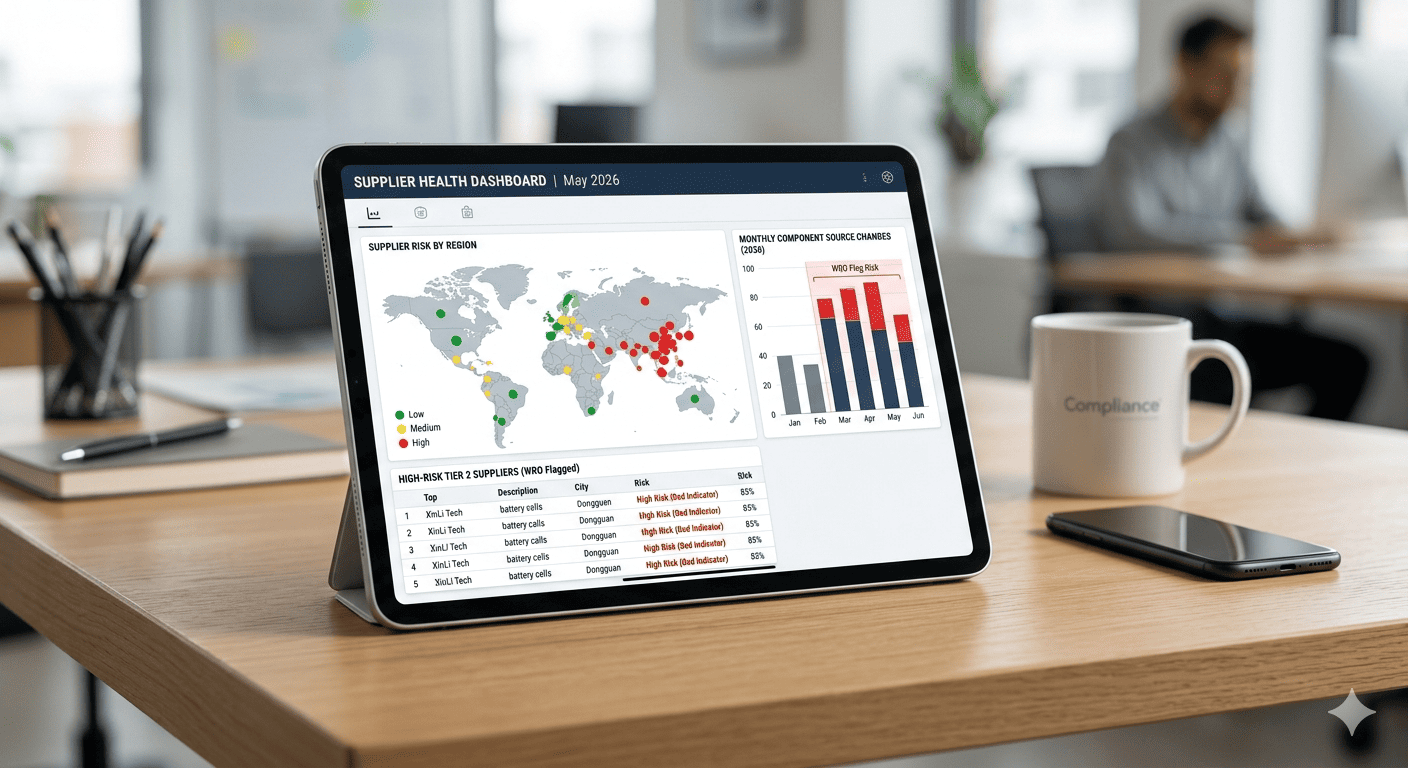
A supplier who is compliant today might not be tomorrow. This is not because they are malicious. Often, they switch to a cheaper component supplier to save costs, and that new supplier could have WRO issues. You cannot just audit once and assume everything will stay the same. You need a simple system for continuous monitoring. For my long-term clients, I create a "Supplier Health Dashboard." It tracks key indicators that can signal a change in risk. For example, if a supplier suddenly changes their battery supplier without telling you, that is a huge red flag. It could mean they are cutting corners on compliance as well as cost. Regular communication is also critical. Your supplier should feel that you are an active partner who is paying attention to their entire operation, not just the final price.
Key Monitoring Variables
| Variable to Track | Monitoring Method | Red Flag |
|---|---|---|
| Subcontractor List | Require an updated and signed list of all key component suppliers with every new Purchase Order. | New, unvetted suppliers appearing on the list, or a refusal to provide the updated list. |
| Component Origin | Request Certificates of Origin11 for key components (e.g., motor, battery cells) in random shipments you receive. | Inconsistent, incomplete, or missing documentation for critical parts. |
| Public Information | Set up simple online news alerts for your supplier's company name and their parent company. | Negative news reports related to labor practices, government fines, or investigations. |
| Audit Status | Schedule annual or bi-annual follow-up social compliance audits, sometimes unannounced. | A significant drop in their audit score, new non-compliance issues, or a refusal to allow an audit. |
Conclusion
A strong supplier audit process is your best defense against WRO risks. It turns compliance from a guessing game into a clear, manageable system for protecting your e-bike business.
"[PDF] FLD_Withhold Release Order (WRO) and Finding Modifications Guide", https://www.cbp.gov/sites/default/files/2025-05/FLD_Withhold_Release_Order_and_Finding_Modifications_Guide.pdf. A Withhold Release Order is a trade enforcement tool authorized under Section 307 of the Tariff Act of 1930, allowing U.S. Customs and Border Protection to detain shipments of goods suspected of being produced with forced labor. Evidence role: definition; source type: government. Supports: the legal definition and authority of Withhold Release Orders. ↩
"Supply Chain: Compliance, Regulations & Standards", https://kresgeguides.bus.umich.edu/SupplyChain/Compliance. U.S. Customs and Border Protection enforces forced labor prohibitions across all imported goods regardless of product category, meaning consumer products from textiles to electronics to infant goods all face similar supply chain transparency requirements under WRO authority. Evidence role: general_support; source type: government. Supports: that multiple consumer product industries face similar forced labor compliance requirements. ↩
"What Are Tier 1, 2, and 3 Suppliers? A Complete Guide to Supply ...", https://sievo.com/blog/supplier-tiers. In supply chain management, Tier 1 suppliers provide finished components directly to the manufacturer, while Tier 2 suppliers provide materials or sub-components to Tier 1 suppliers; visibility typically decreases at each tier, making Tier 2 and beyond particularly challenging for compliance monitoring. Evidence role: definition; source type: education. Supports: the definition of supply chain tiers and why Tier 2 is significant. ↩
"ILAB Lithium-ion Batteries Storyboard - U.S. Department of Labor", https://www.dol.gov/agencies/ilab/reports/child-labor/list-of-goods/supply-chains/lithium-ion-batteries. E-bike motors, batteries, and frames represent the highest-value and most complex components, often sourced from specialized suppliers with their own multi-tier supply chains for raw materials like lithium, cobalt, rare earth elements, and aluminum, creating multiple points of potential compliance risk. Evidence role: mechanism; source type: research. Supports: why these components are critical for supply chain due diligence. Scope note: This explains the structural reason for scrutiny but does not prove these specific components have higher forced labor incidence than others. ↩
"[PDF] Auditing Labor Rights in the Global Apparel Industry", https://ler.la.psu.edu/wp-content/uploads/sites/4/2021/11/Anner_AuditingFoA_PGWRWorkingPaper001.pdf. Academic research on social compliance auditing shows that while audit history can provide useful baseline information about a supplier's practices, audits have documented limitations including advance notice allowing preparation, auditor variability, and difficulty detecting hidden violations, making them one tool among several needed for effective due diligence. Evidence role: general_support; source type: research. Supports: the value and limitations of social compliance audits. Scope note: This citation acknowledges that audit history has value while noting it should not be the sole basis for compliance decisions. ↩
"Forced Labor | U.S. Customs and Border Protection", https://www.cbp.gov/trade/forced-labor. The International Labour Organization defines forced labor as all work or service extracted from any person under the menace of penalty and for which the person has not offered themselves voluntarily, encompassing eleven indicators including restriction of movement, withholding of wages, and debt bondage. Evidence role: definition; source type: institution. Supports: the international definition of forced labor. ↩
"amfori BSCI - Business Social Compliance Initiative", https://www.amfori.org/amfori-bsci/. BSCI (Business Social Compliance Initiative) and SMETA (Sedex Members Ethical Trade Audit) are widely recognized social audit methodologies used to assess labor practices and working conditions in global supply chains, though they differ in scope and governance structure. Evidence role: definition; source type: institution. Supports: the nature and recognition of BSCI and SMETA as social compliance audit frameworks. Scope note: These frameworks assess compliance with labor standards but do not guarantee immunity from customs enforcement actions. ↩
"From Mines to Markets: Exposing Labor Exploitation in Critical ...", https://www.dol.gov/agencies/ilab/supply-chain-research/from-mines-to-markets-exposing-labor-exploitation-in-critical-mineral-supply-chains. Research and government reports have identified forced labor concerns in certain lithium mining operations and aluminum production facilities, particularly in regions subject to international scrutiny, making supply chain traceability for these materials a compliance priority. Evidence role: general_support; source type: research. Supports: documented concerns about forced labor in lithium and aluminum supply chains. Scope note: This citation supports general risk concerns but does not prove all lithium or aluminum sourcing is problematic; risk varies by specific source and region. ↩
"Forced Labor | U.S. Customs and Border Protection", https://www.cbp.gov/trade/forced-labor. International labor standards, including the ILO's forced labor indicators, identify restriction of movement, withholding of wages, and excessive overtime as key warning signs of forced labor, which enforcement agencies use to assess compliance risk. Evidence role: expert_consensus; source type: institution. Supports: recognition of these practices as forced labor indicators. ↩
"FDA Announces Expanded Use of Unannounced Inspections at ...", https://www.fda.gov/news-events/press-announcements/fda-announces-expanded-use-unannounced-inspections-foreign-manufacturing-facilities. Research on supply chain auditing suggests that unannounced audits can reveal compliance issues not visible during scheduled visits, as they reduce the opportunity for facilities to temporarily alter practices or conceal violations. Evidence role: general_support; source type: research. Supports: the value of unannounced audits in detecting compliance issues. Scope note: Effectiveness depends on auditor expertise and access; some research also notes that unannounced audits can strain supplier relationships and may not be feasible in all contexts. ↩
"Chapter 6 - Certificate of Origin | U.S. Customs and Border Protection", https://www.cbp.gov/trade/nafta/guide-customs-procedures/cert-origin. A Certificate of Origin is a document attesting to the country in which goods were manufactured or produced, primarily used for determining tariff treatment under trade agreements; however, it does not verify labor conditions or compliance with forced labor prohibitions. Evidence role: definition; source type: government. Supports: what a Certificate of Origin documents and its purpose. Scope note: While useful for tracking geographic origin, Certificates of Origin have limited value for WRO compliance as they do not address labor practices. ↩