
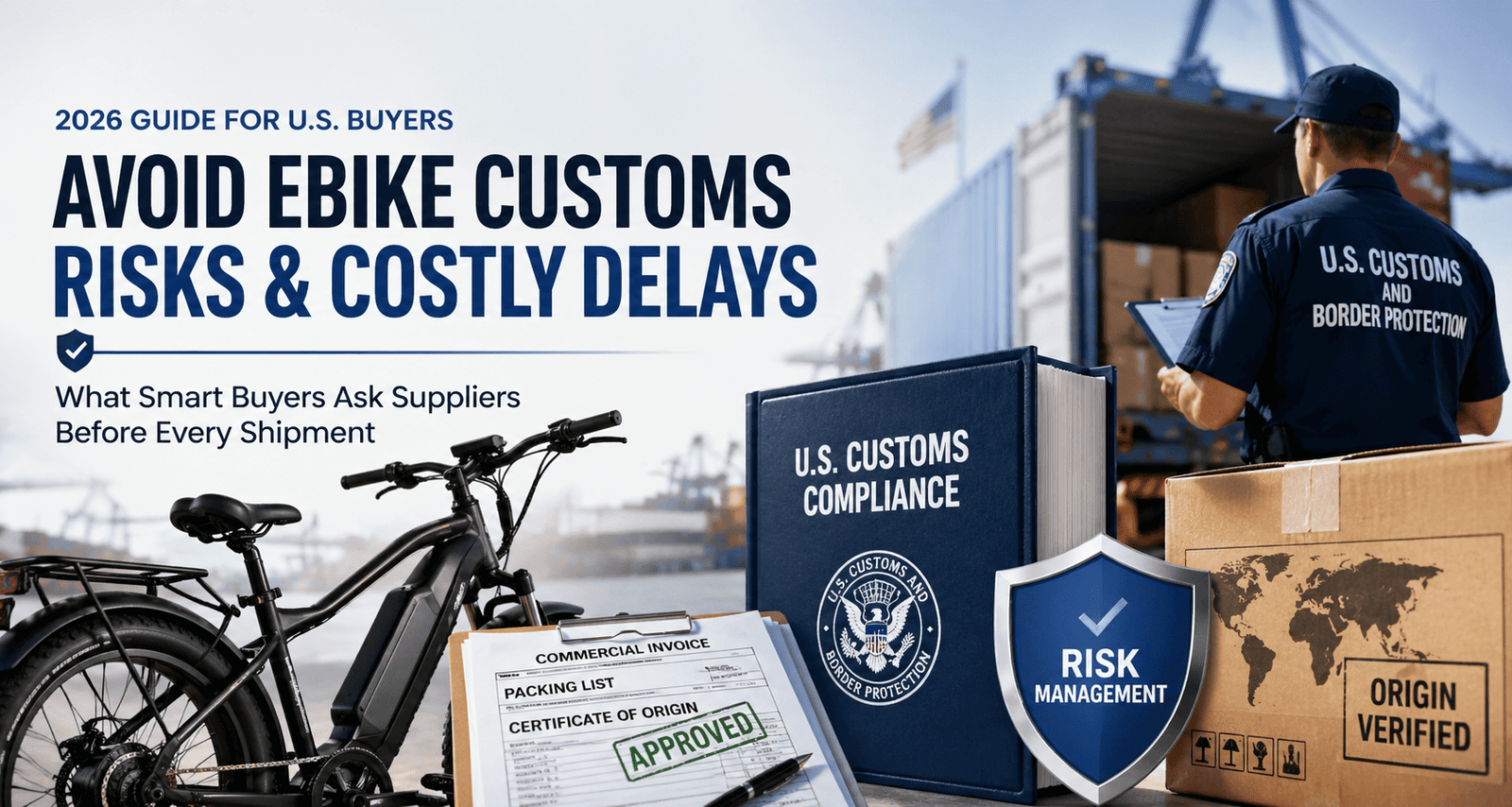
Worried about your ebike shipment getting stuck at US customs? Delays and fines can destroy your profits. It's time to rethink your approach to customs risk management.
In 2026, US customs enforcement is a critical part of supplier selection. Buyers must look beyond tariff rates. They need to assess a supplier's documentation, origin claims, and price logic to avoid costly delays, fines, and supply chain disruptions. This is a business continuity issue.
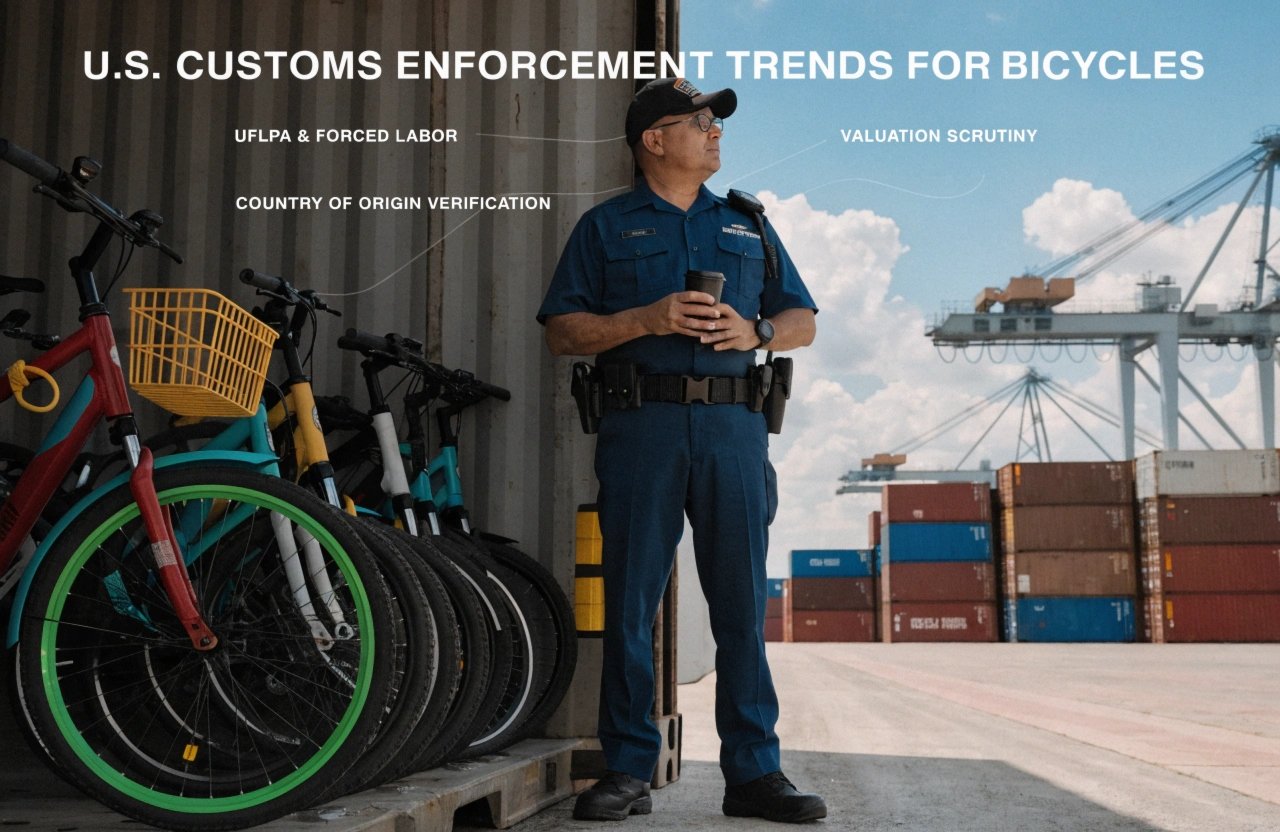
I've spent years helping US buyers source ebikes from Asia. I've seen firsthand how a small oversight in the quoting stage can turn into a massive headache at the port. It's not about being a customs expert; it's about asking the right questions from the very beginning. Let's break down what you need to know to protect your business.
Is Just Asking About Tariff Rates Enough to Manage Customs Risk?
You ask for the tariff rate and think you're covered. But surprise penalties can arise from incorrect HTS codes or origin claims, wrecking your budget. Look beyond the rates.
No, it's not enough. While tariff rates are important, the real risk lies in whether your supplier's paperwork can withstand scrutiny. U.S. Customs looks at the product's origin, declared value, and classification.1 A weak supplier creates a huge liability for you, the importer of record.2
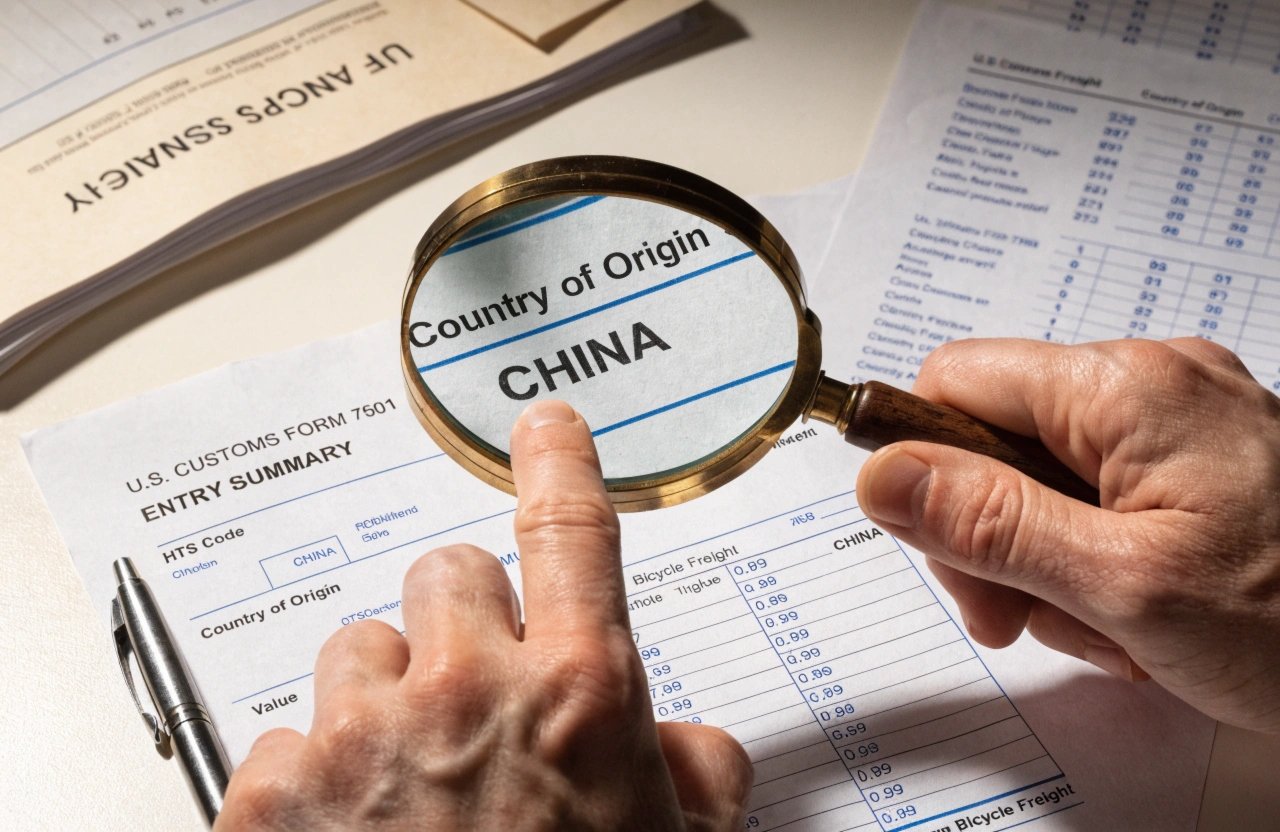
In my daily work, I see many U.S. buyers focus only on the tariff percentage. They want to know the Section 301 duty, and that's it. But that's like checking the weather for a hurricane by only asking for the temperature. The bigger dangers are hidden. U.S. Customs doesn't just check a box; they scrutinize the entire entry.
The Real Scrutiny
The risk isn't just the percentage you pay. It's whether the entire declaration is credible. Can your supplier prove the country of origin for every key component? Is the declared value of the ebike commercially realistic? A small mistake in the HTS code classification can lead to re-evaluation and penalties long after you've received the goods.3
Your Questions Should Evolve
As the importer of record, the responsibility ultimately falls on you. This means your questions for suppliers must go deeper than just the final price. Here's how to shift your thinking from a simple cost question to a deeper due diligence process.
| Instead of Asking This | Start Asking This |
|---|---|
| "What's the tariff rate?" | "Can you provide a full Bill of Materials (BOM) to verify origin?" |
| "Is the duty included?" | "How do you determine the HTS code for this specific ebike model?" |
| "Can you handle customs?" | "What specific customs documents will you provide me before shipment?" |
Could Your Supplier's Unbelievably Low Price Be a Huge Customs Risk?
That super-low quote looks like a big win. But it could hide shortcuts on materials or origin claims that U.S. Customs will find, putting your shipment at risk.
Absolutely. An extremely low price is a major red flag for customs enforcement.4 It may indicate the supplier is cutting corners on materials, misrepresenting the country of origin to avoid duties, or under-declaring the value of the goods. These practices can lead to shipment seizures and severe penalties.
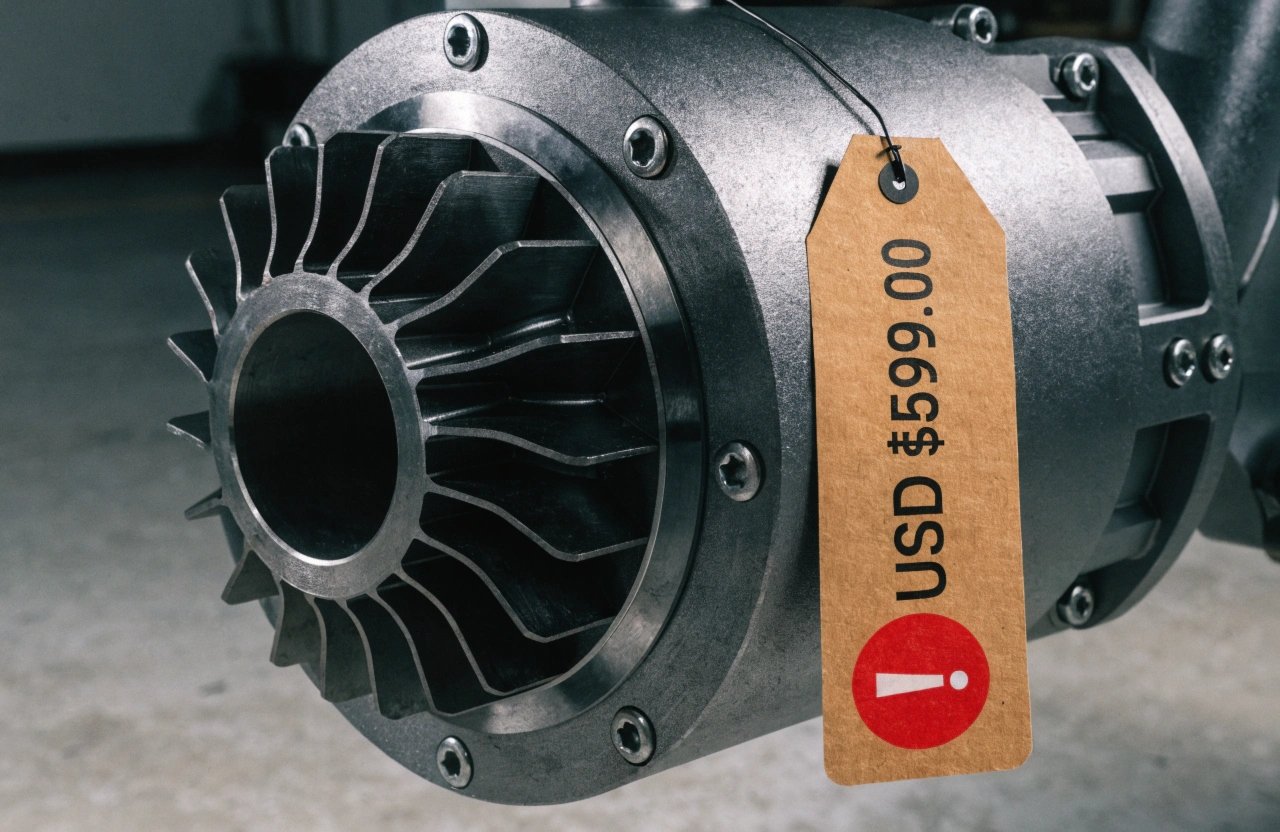
When I help buyers compare quotes from different factories, one thing always stands out: a price that seems too good to be true. While everyone wants a good deal, a quote that's significantly lower than the market average is a warning sign. It’s not a sign of efficiency; it's often a sign of hidden risk that you, the buyer, will ultimately have to deal with.
The Logic of Low Prices
Think about it. Raw materials, components like motors and batteries, labor, and shipping have established market costs. If a supplier's price is dramatically lower, where are they cutting? Often, it’s in areas that create customs liabilities for you. They might be using cheaper, non-compliant materials or, more seriously, misrepresenting the product's origin to dodge high tariffs like Anti-Dumping and Countervailing Duties (AD/CVD).
From Price Risk to Legal Risk
This isn't just about getting a lower-quality product. This is a compliance issue. For example, under regulations like the UFLPA, you must be able to prove your supply chain is clean. A supplier offering a suspiciously low price is unlikely to have the robust documentation and traceability needed to meet that standard.5 Your "great deal" could become a legal nightmare at the border.
What Should You Ask When Your Supplier Says "Customs Is No Problem"?
Your supplier says, "Don't worry, we handle customs." This vague promise can leave you responsible for huge fines when they can't provide the right documents. Get specific now.
Instead of accepting a simple "yes," ask for specifics. Request a sample set of all export and import documents they provide. Ask who is responsible if goods are detained for documentation issues. Clarify what information they will need from your customs broker. Their answers reveal their true expertise.

This is one of the most common phrases I hear from suppliers trying to close a deal: "Customs? No problem." It sounds reassuring, but it means nothing without details. In my experience, the most reliable suppliers don't just say it's easy; they show you how they make it smooth. They are prepared for detailed questions because they have solid processes.
Turning Vague into Specific
An empty promise is a huge liability. Your job as a buyer is to turn their vague assurance into a concrete plan.6 The goal is to understand exactly what they will do and what you (or your broker) will be responsible for. Don't wait until the container is at the port to find out their "no problem" approach was just a sales tactic.
Your Supplier Verification Checklist
Here are the questions I recommend my clients ask to test a supplier's true capabilities:
- Documentation: "Can you send me a complete sample set of the shipping documents you will prepare, including the commercial invoice, packing list, and certificate of origin?"
- Responsibility: "If the shipment is detained due to a documentation error on your end, how will you support us?"
- Traceability: "How do you document the origin of major components like the frame, motor, and battery?"
- Broker Coordination: "What information do you typically provide directly to the U.S. customs broker?"
How Does Your Supplier's Quality Control Affect Your Customs Clearance?
You think of QC and customs as separate tasks. But a supplier with sloppy QC likely has sloppy paperwork, a red flag that can trigger costly customs inspections and delays.
They are directly connected. A strong QC process includes detailed traceability for every component.7 This documentation is exactly what U.S. Customs may demand to verify country of origin, material composition, or compliance with regulations. Weak QC means weak proof, increasing your risk of detention.
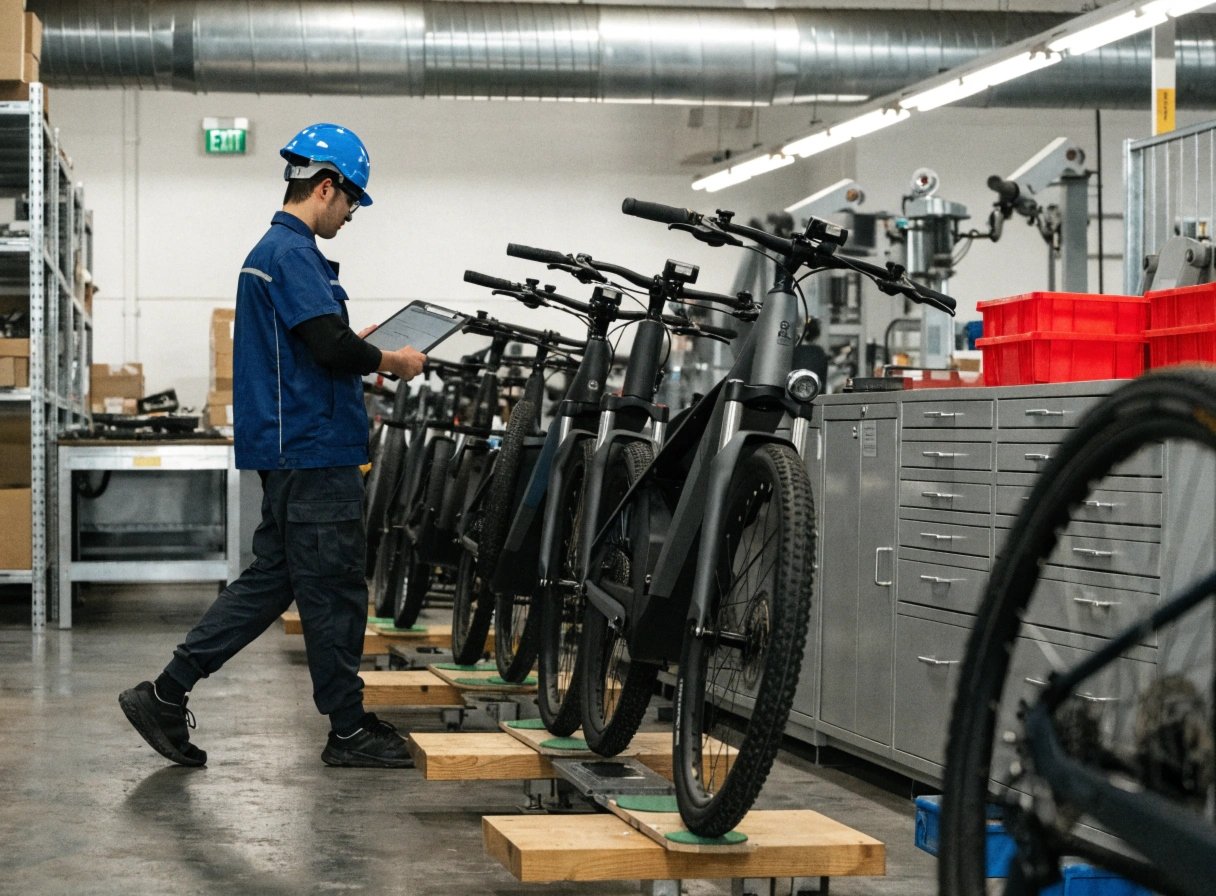
Many buyers I work with see Quality Control (QC) as a final check on the product itself—is the paint right, do the brakes work? But a modern QC process is much deeper, and it connects directly to your customs risk. When my team and I conduct inspections, we're not just looking at the bike; we're auditing the paper trail behind it.8
The Data Behind the Bike
A good supplier doesn't just build bikes; they document everything. They have records for incoming components, batch numbers for frames, and serial numbers for batteries and motors. This isn't just for handling warranty claims later on. This is the evidence that supports the claims made on your customs documents. If your commercial invoice says the motor is from Japan, the factory's QC and production records better show a purchase order from a Japanese supplier.
When Inspections Happen
Imagine U.S. Customs flags your shipment for an intensive exam. They question the country of origin. Your only defense is the documentation from your supplier. A supplier with a weak QC system and messy records can't give you the proof you need.9 Suddenly, a quality issue has become a major customs problem.
Conclusion
In 2026, smart importing isn't about finding the cheapest price. It's about finding the most reliable partner whose processes protect you from risk, especially at the U.S. border.
Sources can provide insights into how customs enforcement affects supplier selection and the importance of compliance. ↩
Research can show the connection between supplier reliability and customs liabilities. ↩
Sources can provide data on penalties related to HTS code errors. ↩
Research can validate the connection between pricing and customs enforcement concerns. ↩
Sources can provide insights into how pricing affects documentation and compliance. ↩
Research can highlight the significance of clear communication in supplier relationships. ↩
Sources can provide data on the role of traceability in quality control and customs compliance. ↩
Sources can provide insights into the significance of documentation in supplier relationships. ↩
Research can show the relationship between quality control and customs documentation. ↩