
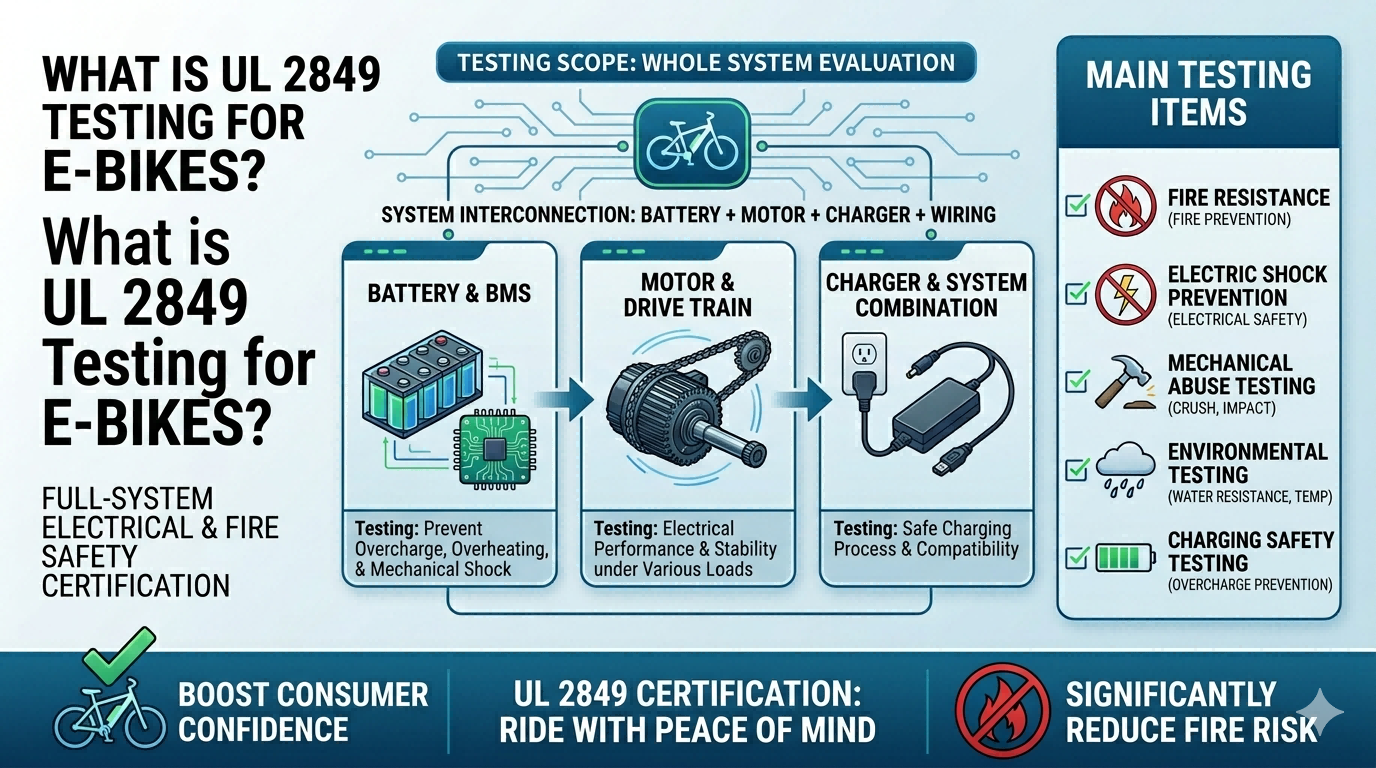
Worried about e-bike safety standards? The confusion over UL 2849 can cause costly delays and block your market access. It’s a major headache for importers.
UL 2849 is a comprehensive safety standard for the entire e-bike system. It is not just a battery test. It evaluates the electrical system, mechanical structure, and functional safety of the complete, assembled e-bike to ensure all parts work together safely.
As a manufacturer who has taken many products through the full UL 2849 certification process, I talk to buyers about this every day. The biggest hurdle I see isn't the test itself; it's the misunderstandings about what the test actually covers. Many importers assume it's a simple battery check, only to find their project delayed for months and their budget destroyed. Understanding what UL 2849 really is from the start is the difference between a smooth entry into the North American market and a costly failure. Let's clear up the confusion so you can plan effectively.
Isn't UL 2849 Just Another Battery Test?
You hear "UL" and think "battery fire." It's a natural connection, but it leads to a huge, expensive mistake. Many believe UL 2849 is just a battery certification.
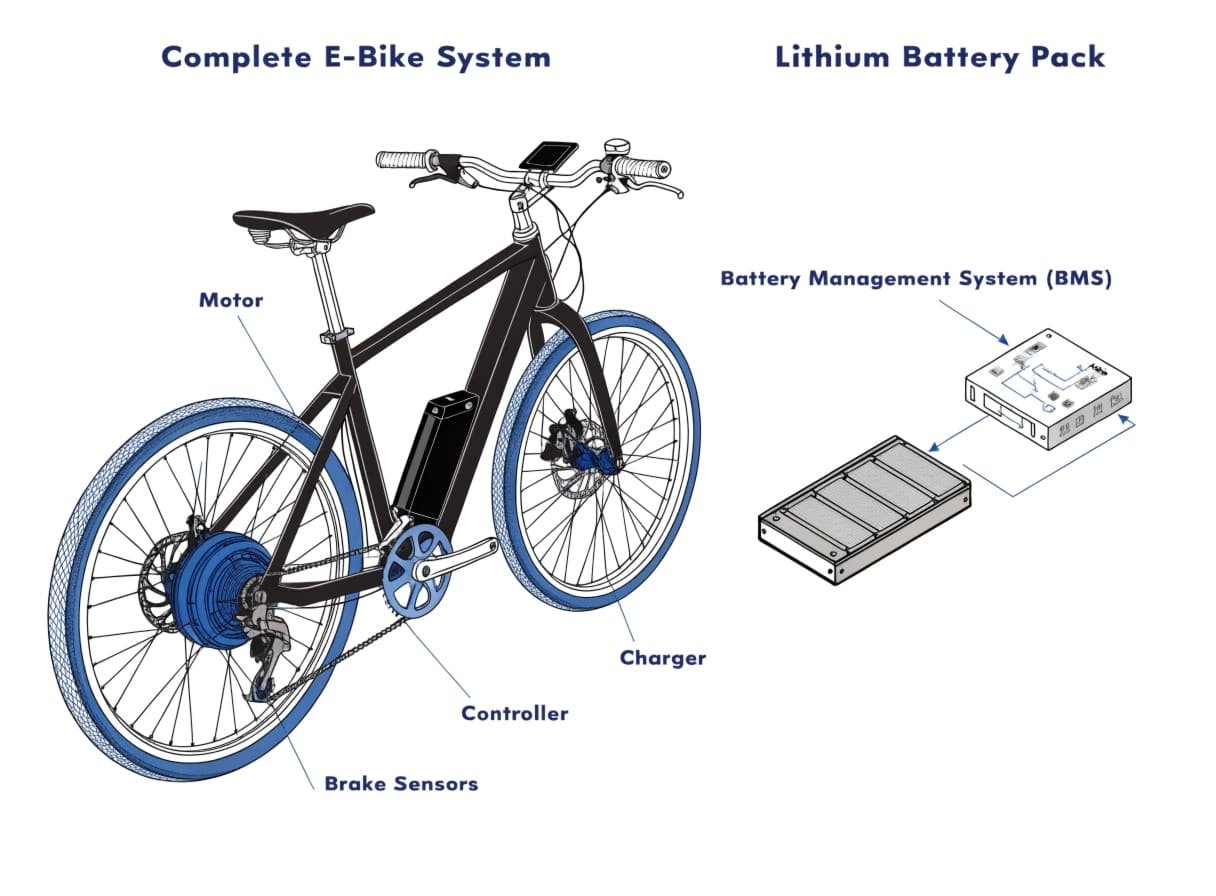
No, UL 2849 is a whole-vehicle standard. It evaluates the complete e-bike system, including the battery, charger, motor, controller, and wiring. UL 2271 is the standard specifically for the battery pack itself. UL 2849 checks how that battery interacts with everything else.
In our experience, this is the number one point of confusion for buyers. They come to us saying they need a "UL 2849 battery," which doesn't exist. You can get a UL 2271 certified battery, and that's a great start. But UL 2849 certification applies to the entire e-bike as a single product. The standard was created to ensure the complete electrical system is robust and safe, not just one component in isolation. It answers the question: "Does this entire e-bike, as a system, operate safely under normal and fault conditions?" This is a much broader and more complex evaluation than just testing the battery pack alone.
What UL 2849 Actually Covers
The standard looks at the e-bike as an ecosystem. Think of it this way: a certified engine (the battery) is great, but you also need to check the fuel lines, the electronics, and the brakes to make sure the whole car is safe. UL 2849 does this for e-bikes.
| Standard | What It Certifies | Key Focus Area |
|---|---|---|
| UL 2849 | The entire e-bike as a complete system | System integration, functional safety, electrical and mechanical robustness. |
| UL 2271 | The battery pack (Li-ion battery) | Battery cell safety, management system (BMS), casing, and electricals. |
| UL 2272 | Personal e-Mobility Devices (e.g., hoverboards) | Electrical and fire safety for self-balancing scooters and similar devices. |
The tests in UL 2849 include everything from exposing the bike to extreme temperatures and water spray (simulating real-world use) to mechanical tests that check the strength of the frame and components. It also includes functional safety tests to ensure the motor assists and cuts off power correctly.
If My Components Are UL-Listed, Is My E-Bike Compliant?
You’ve specified a UL 2271 battery and a UL-listed charger. You think you're covered, but your assembled e-bike might still fail certification. This is a common and expensive assumption.
No, using UL-listed components does not automatically make your e-bike UL 2849 compliant. The standard tests the complete, assembled system to ensure all parts interact safely. Component certifications do not cover the final wiring, integration, or system-level responses to faults.
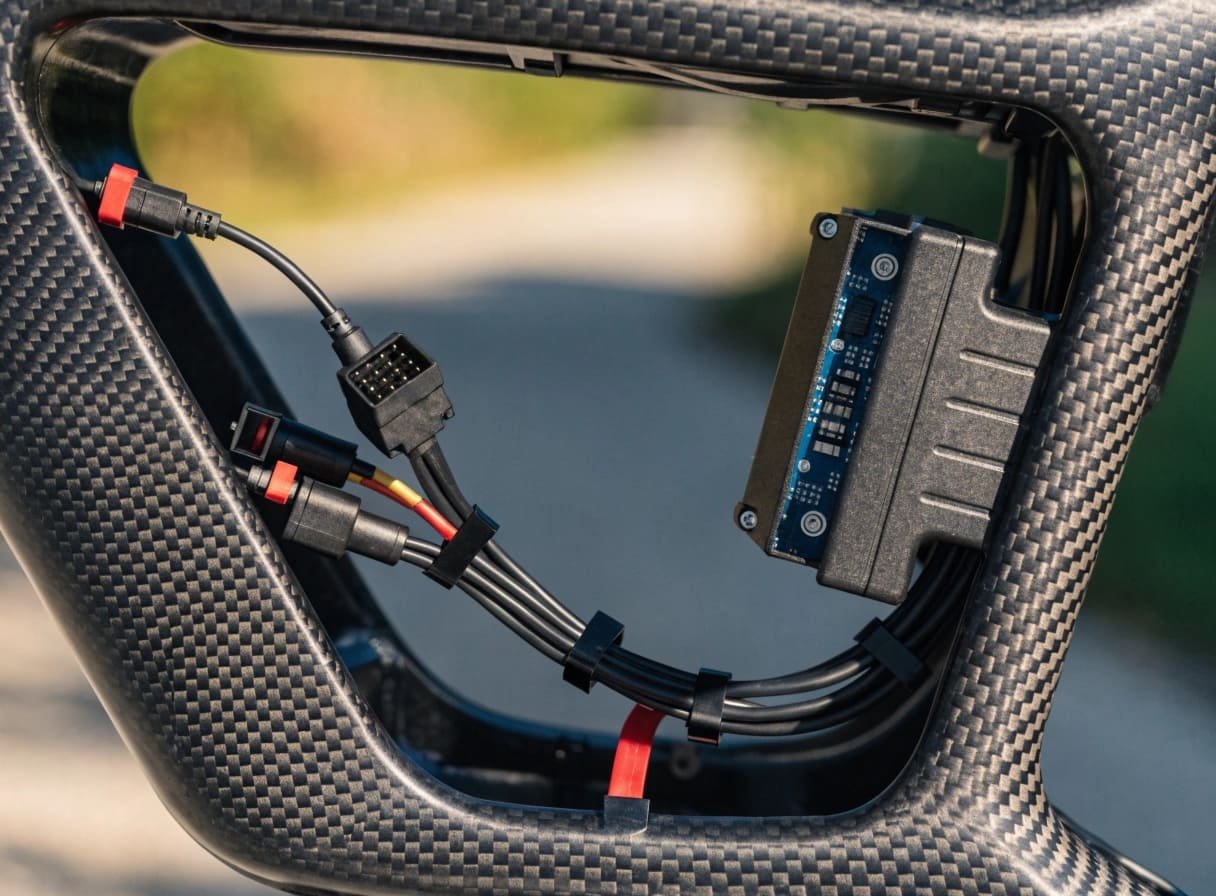
We've seen projects delayed because a buyer assumed their UL-certified battery was a golden ticket. The testing lab isn't just checking the parts list. They are actively trying to make the system fail to see how it responds. For example, they will test what happens if the wiring between the controller and motor shorts out. Does the system shut down safely, or does it create a hazard? They check the strain relief on every cable, the integrity of every connector, and the programming of the controller. The certification is for the final, assembled product that the customer will ride. It is a holistic evaluation of your engineering and assembly quality, not just your bill of materials.
The System is More Than its Parts
Think about the system's weak points. They are almost always at the connection points or where different components interact. That's what UL 2849 focuses on.
Key System-Level Tests
- Functional Safety Analysis: Does the motor cut off when you hit the brakes? Does the pedal assist behave as expected? They test these functions to ensure the bike is predictable and safe to control.
- Electrical System Integrity: This includes stress tests on wiring and connectors. They check for proper insulation, strain relief, and protection from water and dust. A poorly routed cable can wear through and short out, something a component-level test would never catch.
- Environmental and Durability Tests: The entire e-bike is subjected to tests like water spray (to simulate riding in the rain), vibration tests (to simulate rough roads), and extreme temperature cycling. The goal is to see if the system remains safe after exposure to real-world conditions.
In our factory, we design the entire wire harness and component layout with these tests in mind from the very first drawing. It's much cheaper to get it right on the drawing board than to re-engineer a failed product.
What’s the Difference Between a Test Report and a UL Listing?
You have a PDF test report from a lab. You think you’ve crossed the finish line, but retailers like Amazon are still blocking your product. This is a critical misunderstanding.
A test report only shows your product passed specific tests once. A UL Listing (or Certification) is an ongoing verification from UL. It means your product is certified and your factory is subject to regular inspections to ensure you continue to build it to the same standard.
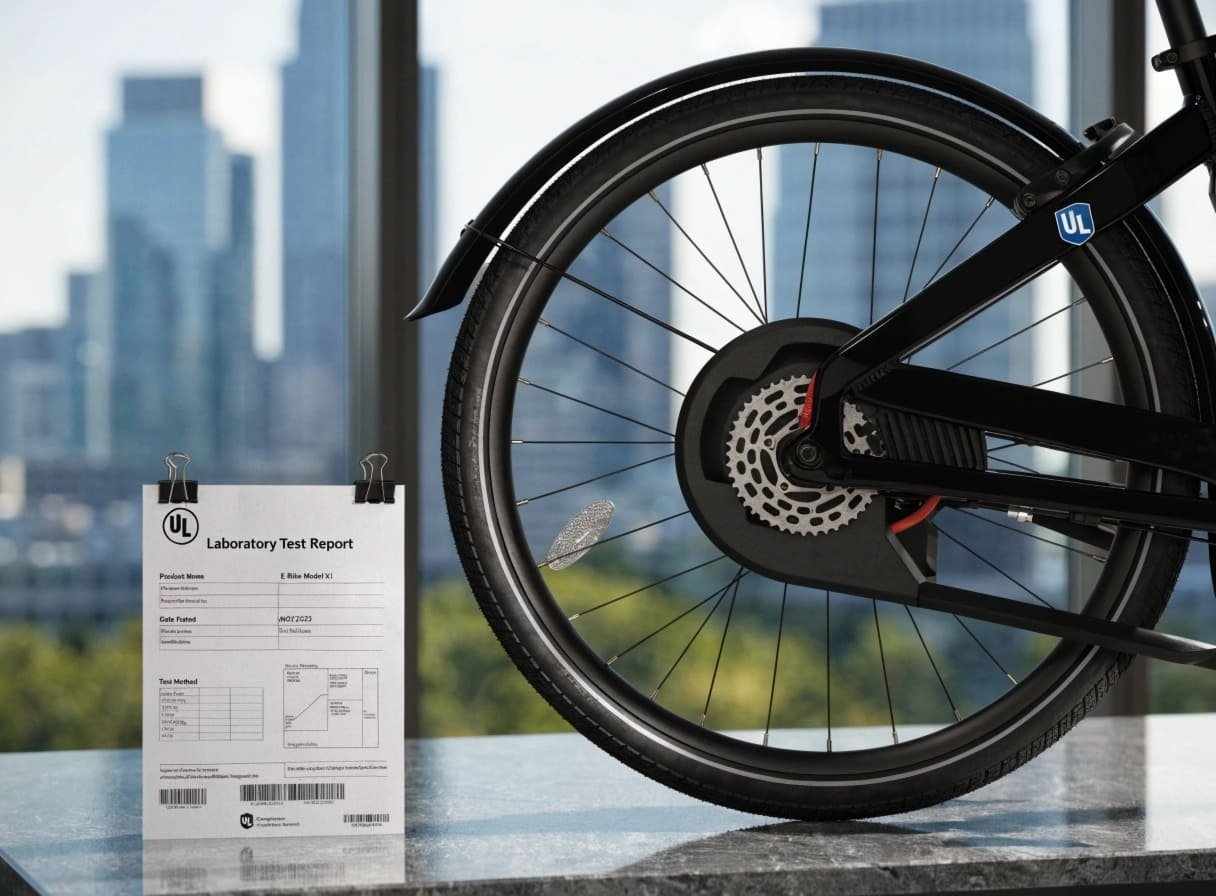
This is probably the most crucial business distinction to understand. A test report is a snapshot in time. A UL Listing is a living credential. We have had clients come to us with a test report from a non-accredited lab, thinking they were ready to sell. They were shocked when we told them retailers would not accept it and they had to start the entire, expensive process over with a proper Nationally Recognized Testing Laboratory (NRTL) like UL. Retailers and regulators in North America want the assurance that comes with the UL Mark, which signifies ongoing compliance, not just a one-time pass.
Report vs. Listing: What Buyers Need to Know
Understanding this difference is key to your budget and timeline. They are not interchangeable, and your retail partners will demand the Listing.
| Feature | Test Report | UL Listing / Certification |
|---|---|---|
| What It Is | A document showing results from a specific set of tests on a single sample. | A formal certification from a NRTL like UL. Allows use of the UL Mark. |
| What It Proves | The submitted sample passed the test on that day. | The product design is compliant, AND the factory has been inspected. |
| Retailer Acceptance | Generally not accepted by major retailers (Amazon, Best Buy, etc.). | Required by major retailers and often by law in certain jurisdictions. |
| Ongoing Process | None. It's a one-time event. | Requires quarterly factory inspections (Follow-Up Services) to maintain the Listing. |
The UL Listing is your goal. The test report is just one step in that process. When you partner with a manufacturer, you need to ask, "Can you deliver a UL-Listed product?" not just "Can you pass the test?" The ongoing factory inspections are non-negotiable for maintaining the certification.
How Can I Prepare for the UL 2849 Certification Process?
Facing the UL 2849 process feels overwhelming. The costs and timeline seem unpredictable, creating a major risk for your business plan. It doesn't have to be this way.
Prepare by choosing an experienced manufacturing partner. Design the e-bike for compliance from the start, not as an afterthought. You must gather all technical documents, including schematics, a detailed bill of materials, and all component certifications. This preparation saves huge amounts of time and money.

The real cost of UL 2849 is not the testing fee; it's the cost of failure and redesign. We've seen projects delayed by over six months because of issues that could have been caught in the design phase. A common failure point is something as simple as inadequate strain relief on the motor cable. The fix might be easy, but the re-testing process is slow and expensive. The best strategy is to work with an OEM who has been through it before and designs to the standard from day one. This proactive approach is always cheaper than a reactive one.
A Practical Roadmap for Certification
Here is the general path we guide our clients through. Planning this out saves headaches later.
Key Stages & Timeline
This process is not quick. A realistic timeline is crucial for your business planning.
| Stage | Key Activities | Typical Duration (Our Experience) |
|---|---|---|
| 1. Design & Documentation | Finalize design for compliance. Compile all schematics, Critical Components List, user manual. | 1-3 Months |
| 2. Submission & Initial Review | Submit sample and all documents to the test lab (UL, TÜV, etc.). Lab reviews paperwork. | 2-4 Weeks |
| 3. Formal Testing | The lab performs all electrical, mechanical, and environmental tests. | 4-8 Weeks |
| 4. Report & Rework (If Needed) | Lab issues a report. If it fails, you must redesign, fix the sample, and resubmit for re-testing. | 1-6+ Months |
| 5. Certification & Factory Inspection | After passing, the lab conducts an initial factory audit. If successful, certification is granted. | 2-4 Weeks |
The most common reason for failure we see is cutting corners on small details. The lab will find them. Working with a partner who knows what to look for and builds a "compliance-ready" product from the start is the single best way to ensure a smooth journey through UL 2849.
Conclusion
UL 2849 is a system-level safety standard, not a battery test. Success depends on preparation, system-level design, and partnering with an experienced manufacturer to navigate the entire certification process.